
Why do we see strange flashes of light and color when we rub our closed eyes
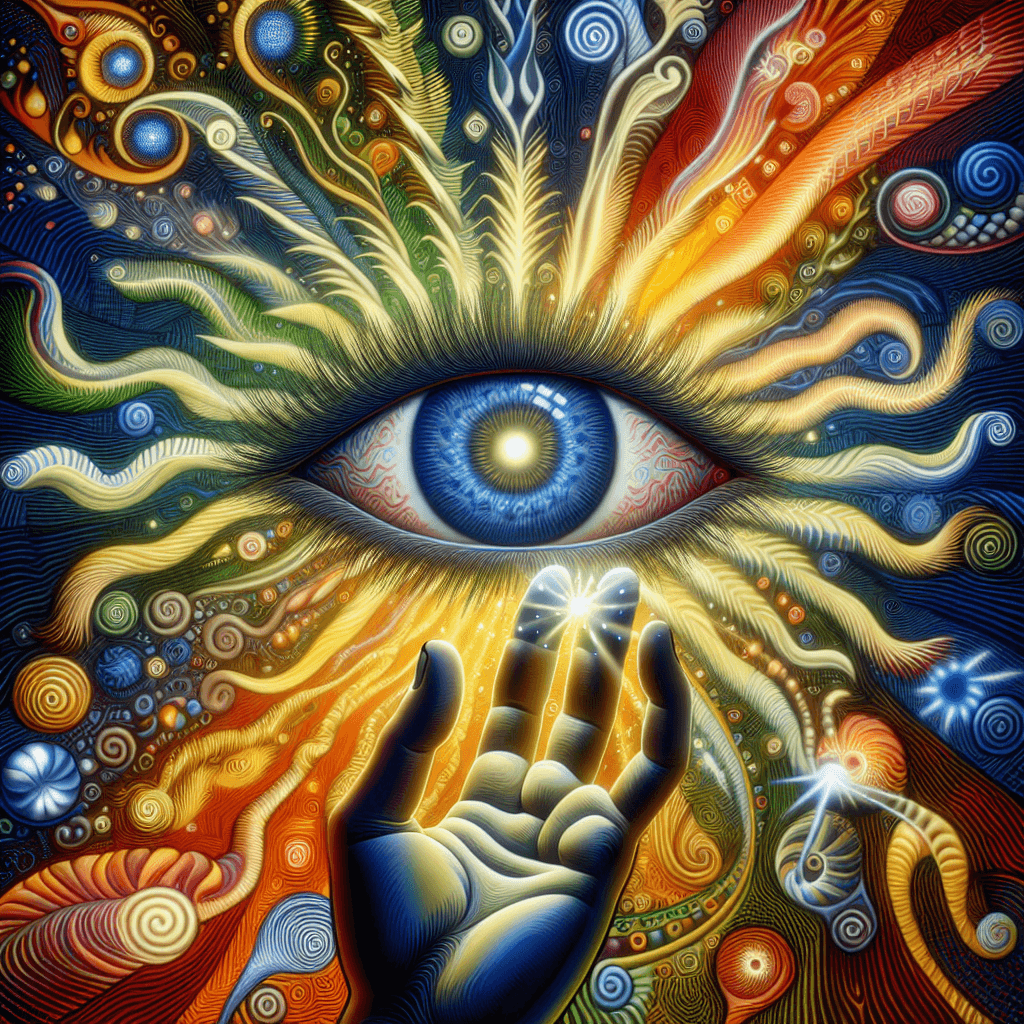
Ever wondered why rubbing your eyes triggers a swirling, psychedelic light show behind your eyelids? Discover the mind-bending science behind these "phosphenes" and learn how your brain creates vivid colors out of total darkness.

Too Long; Didn't Read
Known as phosphenes, these visual patterns occur when physical pressure on the eyes stimulates the retina. Your brain misinterprets this mechanical force as light signals, creating the illusion of glowing colors and shapes even in total darkness.
Phosphenes: Why Do We See Strange Flashes of Light and Color When We Rub Our Closed Eyes?
Have you ever pressed your palms against your closed eyelids only to be greeted by a swirling kaleidoscope of neon greens, blues, and electric yellows? This common experience can feel like a brief trip through a psychedelic tunnel, yet it occurs in total darkness. While it may seem like a minor trick of the mind, it is actually a fascinating biological "glitch" that reveals how our sensory systems are hardwired. This phenomenon is known scientifically as phosphenes. Understanding why do we see strange flashes of light and color when we rub our closed eyes requires a closer look at the intricate relationship between our retinas and the visual cortex of the brain.
What Are Phosphenes?
The term "phosphene" is derived from the Greek words phos (light) and phainein (to show). In the simplest terms, a phosphene is the sensation of seeing light when there is no light actually entering the eye. These are classified as "entoptic phenomena," which are visual effects whose source is within the eye itself rather than the external environment.
While rubbing your eyes is the most common way to trigger them, phosphenes can also be caused by electrical stimulation, intense magnetic fields, or even sudden changes in blood pressure (often described as "seeing stars"). Scientists have documented this occurrence for centuries; ancient Greek philosopher Alcmaeon of Croton recorded the phenomenon as early as the 5th century BCE, noting that the eye clearly contains its own internal "fire."
The Science of Mechanical Stimulation
The primary reason we see these colors is that the cells in our eyes cannot always distinguish between different types of stimuli. Under normal circumstances, the retina—the light-sensitive layer at the back of the eye—is activated by photons (light particles). However, these neurons can also be activated by physical pressure.
The "Pressure Phosphene"
When you rub your eyes, you apply mechanical pressure to the eyeball. This pressure puts physical stress on the retinal ganglion cells. Because these cells are specialized to transmit visual information to the brain, they don't know how to report "pressure." Instead, they react the only way they know how: by firing a signal that the brain interprets as light.
According to research in sensory physiology, this is a prime example of the "Law of Specific Nerve Energies." This principle suggests that the nature of a sensory experience is determined by the sense organ stimulated, not the stimulus itself. In other words, if you poke your eye, your brain "sees" the poke because the optic nerve is the messenger.
How the Brain Processes the "False" Data
Once the retinal cells fire due to pressure, the signal travels along the optic nerve to the visual cortex at the rear of the brain. The brain is an expert pattern-seeker and translator. Since it receives a signal from the visual pathway, it assumes light has entered the eye and attempts to render an image.
- Geometric Patterns: Many people report seeing grids, checkerboards, or organic "blobs." These shapes are thought to reflect the physical architecture of the visual cortex and the arrangement of neurons in the retina.
- Colors: The specific colors—often vivid purples and greens—occur because different types of photoreceptors (cones) are being stimulated haphazardly rather than by specific wavelengths of light.
Other Causes: Beyond Eye-Rubbing
While mechanical pressure is the most frequent cause, other factors can trigger similar flashes:
- Postural Changes: Standing up too quickly can cause a temporary drop in blood pressure (orthostatic hypotension), depriving the brain and eyes of oxygen for a split second and triggering flashes.
- Sneezing or Coughing: Intense physical exertion can create internal pressure that mimics the effect of rubbing your eyes.
- Medical Conditions: While most phosphenes are harmless, spontaneous flashes (those occurring without rubbing or exertion) can sometimes indicate a more serious issue, such as a retinal tear or detachment. According to the American Academy of Ophthalmology, if you experience sudden, persistent flashes of light, it is essential to consult an eye specialist.
Conclusion
The vibrant displays we witness when we rub our eyes are more than just a visual oddity; they are a window into the mechanics of human perception. The phenomenon of phosphenes demonstrates that our "reality" is often a construction of the brain trying to make sense of the signals it receives, even when those signals are accidental.
Understanding why do we see strange flashes of light and color when we rub our closed eyes reminds us of the incredible sensitivity of our visual system. While these internal light shows are usually a harmless curiosity, they highlight the complex biological "wiring" that allows us to perceive the world around us. Next time you see a swirl of color behind your eyelids, you’ll know you’re witnessing your nervous system in action.


