
Why do your pupils dilate when you look at someone you love or find particularly attractive
They say the eyes are the windows to the soul, but your pupils might be giving away your deepest secrets before you even speak. Discover the primal biological trigger that forces your eyes to widen the moment you gaze at someone you desire.

Too Long; Didn't Read
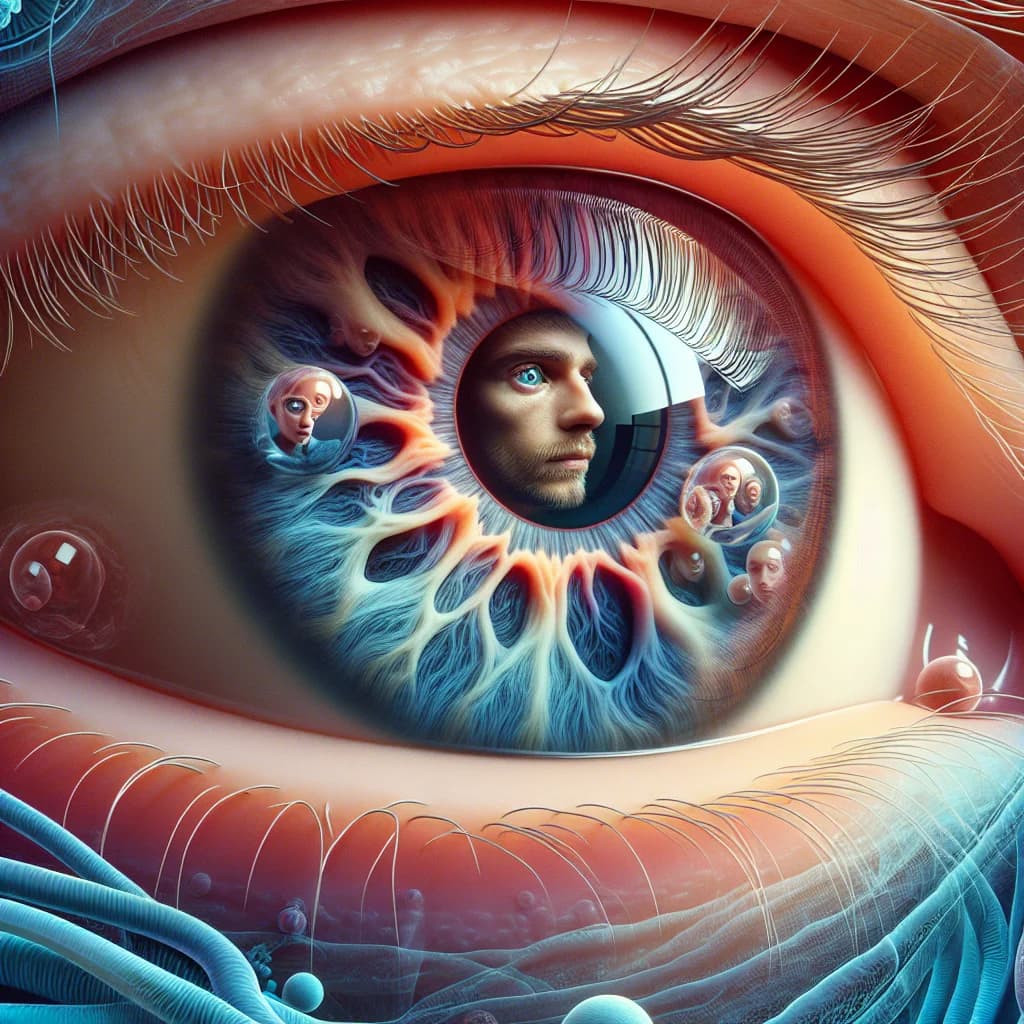
Pupils dilate due to a surge in dopamine and the activation of the sympathetic nervous system. When you see someone you love or find attractive, your brain experiences emotional arousal, triggering an involuntary physiological response that expands your pupils to take in more visual information.
Windows to the Soul: Why Do Your Pupils Dilate When You Look at Someone You Love or Find Particularly Attractive?
Have you ever noticed that someone’s eyes seem to "light up" when they look at you? While we often attribute this to a poetic "spark," the phenomenon is actually a measurable physiological response. Beyond simply adjusting to the light in a room, our pupils—the black circular openings in the center of the iris—function as a direct barometer for our internal emotional state. This involuntary reaction is one of the most honest signals the human body produces. But what exactly is happening behind the scenes? This blog post will explore the biological, chemical, and evolutionary reasons why your pupils dilate when you look at someone you love or find particularly attractive, revealing the fascinating science behind the "look of love."
The Autonomic Nervous System: A Reflex Beyond Control
To understand why your pupils change size, we must first look at the Autonomic Nervous System (ANS). This system regulates involuntary bodily functions, such as heart rate, digestion, and respiratory rate. The ANS is divided into two main branches: the parasympathetic nervous system (often called "rest and digest") and the sympathetic nervous system (known for the "fight or flight" response).
When you see someone you find attractive, your sympathetic nervous system is triggered. This isn't because you are in danger, but because attraction acts as a form of physiological arousal. According to research in the field of pupillometry, the brain perceives this attraction as a high-priority stimulus. To process this "exciting" information more effectively, the sympathetic nervous system triggers the dilator pupillae muscle to expand the pupil, allowing more visual data to enter the eye. This process is entirely involuntary; you cannot consciously force your pupils to dilate or contract when looking at a romantic interest.
The Chemical Cocktail: Dopamine and Oxytocin
The physical expansion of the pupil is fueled by a rush of neurotransmitters and hormones. When we interact with or look at someone we love, the brain’s reward system kicks into high gear.
- Dopamine: Often called the "feel-good" hormone, dopamine is released during pleasurable situations. It heightens focus and triggers the sympathetic nervous system to dilate the pupils.
- Oxytocin: Known as the "bonding hormone" or "cuddle chemical," oxytocin is released during physical touch and emotional intimacy. Studies have shown that increased oxytocin levels are closely linked to pupillary dilation, signaling a desire for social connection.
- Norepinephrine: This chemical is responsible for the "butterflies" in your stomach. It increases heart rate and blood flow, contributing to the overall state of arousal that keeps the pupils wide.
Historical Context and Scientific Research
The study of pupil size and emotion gained significant traction in the 1960s through the work of Eckhard Hess, a psychologist and biopsychologist at the University of Chicago. In a series of landmark experiments, Hess showed subjects various images while measuring their pupil diameter. He discovered that when male subjects were shown pictures of attractive women, their pupils dilated significantly. Interestingly, he also found that the reverse was true: when shown something distasteful, the pupils tended to contract.
Hess’s research laid the foundation for modern pupillometry, proving that pupils are not just light receptors but also indicators of cognitive load and emotional interest. More recent studies, such as those published in the journal Hormones and Behavior, have confirmed that this response is a universal human trait, occurring across cultures and age groups.
The Evolutionary Advantage: "Bedroom Eyes"
Why would nature design our eyes to give away our secrets? Evolutionary biologists suggest that dilated pupils serve as a non-verbal signal of interest and fertility. There is a reciprocal effect at play here:
- Signaling Interest: A person with dilated pupils is subconsciously perceived as more friendly, interested, and attractive by others. This is often referred to as the "bedroom eyes" effect.
- Attracting a Mate: Because dilated pupils indicate arousal, they signal to a potential partner that the attraction is mutual. Historical evidence even shows that women in the Italian Renaissance used "Belladonna" eye drops (derived from the nightshade plant) to artificially dilate their pupils, knowing it made them appear more alluring to suitors.
Conclusion
The next time you find yourself locking eyes with someone special, remember that your pupils are doing much more than just helping you see. They are reacting to a complex interplay of the sympathetic nervous system, a surge of dopamine and oxytocin, and an evolutionary drive to connect. Understanding why your pupils dilate when you look at someone you love or find particularly attractive reminds us that our bodies are hardwired for connection. These tiny, involuntary shifts in our eyes are perhaps the most sincere expressions of affection we possess. While we can control our words and our actions, our pupils remain a transparent window into our true feelings, proving that love really is "all in the eyes."


