
Why do your teeth feel strangely chalky or fuzzy after eating spinach due to oxalic acid crystals
Ever wondered why a healthy bowl of spinach leaves your teeth feeling like they’re coated in chalk or wearing "tiny sweaters"? It’s not your imagination—it’s a bizarre chemical reaction happening right in your mouth, and the science behind it is as fascinating as the sensation is strange.

Too Long; Didn't Read
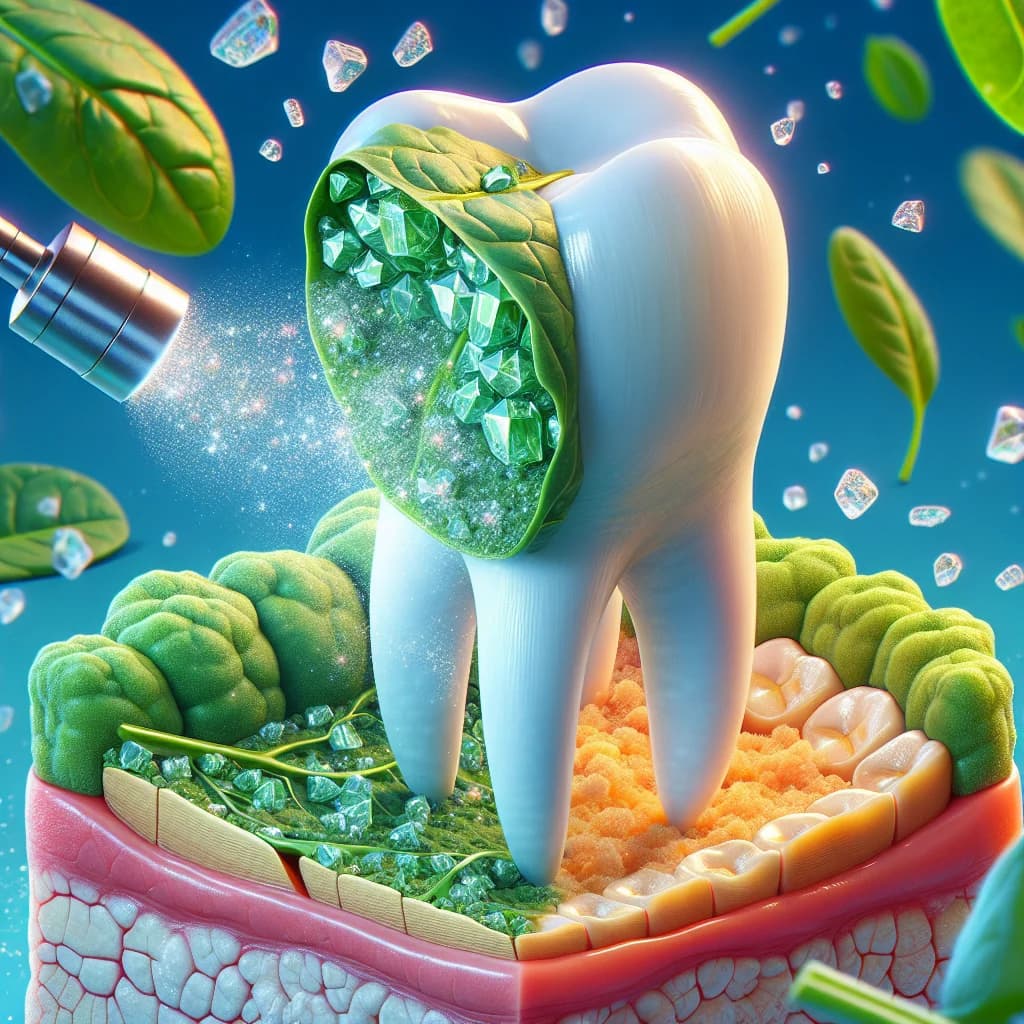
That fuzzy feeling after eating spinach is caused by oxalic acid reacting with calcium in your saliva. This chemical reaction creates tiny crystals that coat your teeth, resulting in a temporary gritty or chalky sensation.
The Science of Spinach Teeth: Why Do Your Teeth Feel Strangely Chalky or Fuzzy After Eating Spinach Due to Oxalic Acid Crystals?
Have you ever finished a nutritious meal of sautéed spinach only to feel as though your teeth were suddenly coated in a layer of fine sand or "fuzzy" velvet? This curious sensation, often referred to as "spinach teeth" or "spinach mouth," is a common experience that can leave even the most dedicated health enthusiasts reaching for their toothbrushes. While it may feel like a film of plaque or a sign of dental distress, the reality is far more scientific. This gritty texture is the result of a specific chemical reaction occurring right on the surface of your enamel. Understanding why your teeth feel strangely chalky or fuzzy after eating spinach requires a look at the interaction between oxalic acid crystals and the natural minerals in your mouth.
The Role of Oxalic Acid in Spinach
The primary culprit behind this sensation is oxalic acid, a naturally occurring compound found in many leafy greens, including beet greens, kale, and rhubarb. Spinach, however, contains particularly high concentrations of this organic acid. In the plant world, oxalic acid serves as a defense mechanism against herbivores and helps regulate the plant’s internal mineral content.
When you consume spinach, you are ingesting these oxalates. While spinach is celebrated for its high calcium content, the presence of oxalic acid actually complicates how our bodies process it. According to nutritional research published by institutions like the Harvard T.H. Chan School of Public Health, oxalic acid is an "anti-nutrient," meaning it can bind to minerals and prevent their absorption.
The Chemistry of the "Fuzzy" Sensation
The chalky feeling is not merely a residue of the vegetable itself, but the result of a rapid chemical reaction between the spinach and your saliva. The process follows these steps:
- Release of Oxalic Acid: As you chew the spinach, the cell walls break down, releasing oxalic acid into your mouth.
- Interaction with Calcium: Your saliva is naturally rich in calcium ions, which help remineralize your tooth enamel. When the oxalic acid meets these calcium ions, a chemical reaction occurs.
- Formation of Crystals: This reaction creates calcium oxalate, a salt that is insoluble in water.
- Precipitation on Enamel: Because calcium oxalate cannot dissolve in your saliva, it precipitates as tiny, microscopic crystals. These crystals coat your teeth, creating the distinct gritty or "fuzzy" texture you feel with your tongue.
Essentially, when you eat spinach, you are briefly "frosting" your teeth with a layer of microscopic crystals.
Is "Spinach Mouth" Harmful to Your Teeth?
The good news is that this sensation is temporary and generally harmless for dental health. Unlike the acidic erosion caused by soda or citrus fruits, the calcium oxalate crystals created by spinach are not known to damage tooth enamel directly. In fact, some dental researchers have explored the potential of oxalates to help treat tooth sensitivity by plugging microscopic tubules in the dentin, though this is usually done through specialized dental products rather than diet alone.
However, for individuals prone to calcium-oxalate kidney stones, the high oxalate content in spinach is a point of clinical concern. From a strictly oral perspective, the main drawback is the temporary discomfort of the "chalky" texture and the fact that the oxalic acid prevents you from absorbing much of the calcium present in the spinach itself.
How to Minimize the Chalky Feeling
If you enjoy the nutritional benefits of spinach but dislike the fuzzy aftermath, there are several evidence-based ways to reduce the formation of calcium oxalate crystals:
- Cook or Blanch Your Spinach: Boiling or steaming spinach can significantly reduce its oxalic acid content compared to eating it raw.
- Pair with Dairy: Eating spinach with a calcium-rich food, such as cheese or yogurt, allows the oxalic acid to bind with the calcium in the food before it interacts with your saliva or reaches your digestive tract.
- Add Citrus: Squeezing fresh lemon juice over your spinach can help dissolve the crystals and provide a boost of Vitamin C, which improves iron absorption.
- Rinse After Eating: A simple water rinse after your meal can help clear away the loose crystals.
Conclusion
Feeling a strangely chalky or fuzzy sensation after eating spinach is a harmless but fascinating example of biochemistry in action. It serves as a reminder that our mouths are dynamic environments where the foods we eat constantly interact with our natural biology. By understanding that this "fuzziness" is simply the precipitation of calcium oxalate crystals, you can enjoy your greens without worry. While the sensation may be briefly off-putting, the vast nutritional profile of spinach—including vitamins A, C, and K—far outweighs the temporary grit. Next time you experience "spinach teeth," you can appreciate the complex chemical reaction taking place right on your enamel.


