
Why does a cat's tongue feel as rough as sandpaper
That sandpaper lick isn't just for affection; it’s a precision tool inherited from wild predators, covered in hundreds of tiny hooks that reveal a fascinating secret about your tiny tiger.

Too Long; Didn't Read
TLDR: A cat's tongue is covered in tiny, backward-facing hooks made of keratin. These act as a built-in comb for grooming and help scrape meat off bones.
The Ultimate Multi-Tool: Why Does a Cat's Tongue Feel as Rough as Sandpaper?
Anyone who has ever received an affectionate lick from a feline friend knows the sensation well. It’s not the smooth, wet swipe you’d get from a dog, but a surprisingly coarse rasp, much like a piece of low-grit sandpaper. Have you ever wondered why? This unique texture isn’t just a strange quirk; it’s a highly sophisticated and brilliantly evolved biological tool. A cat’s tongue is a masterpiece of natural engineering, essential for its survival as both a meticulous groomer and a formidable predator. This post will delve into the fascinating science behind your cat's rough tongue, exploring its incredible structure and the many vital functions it performs.
Up Close and Personal: The Science of Spines
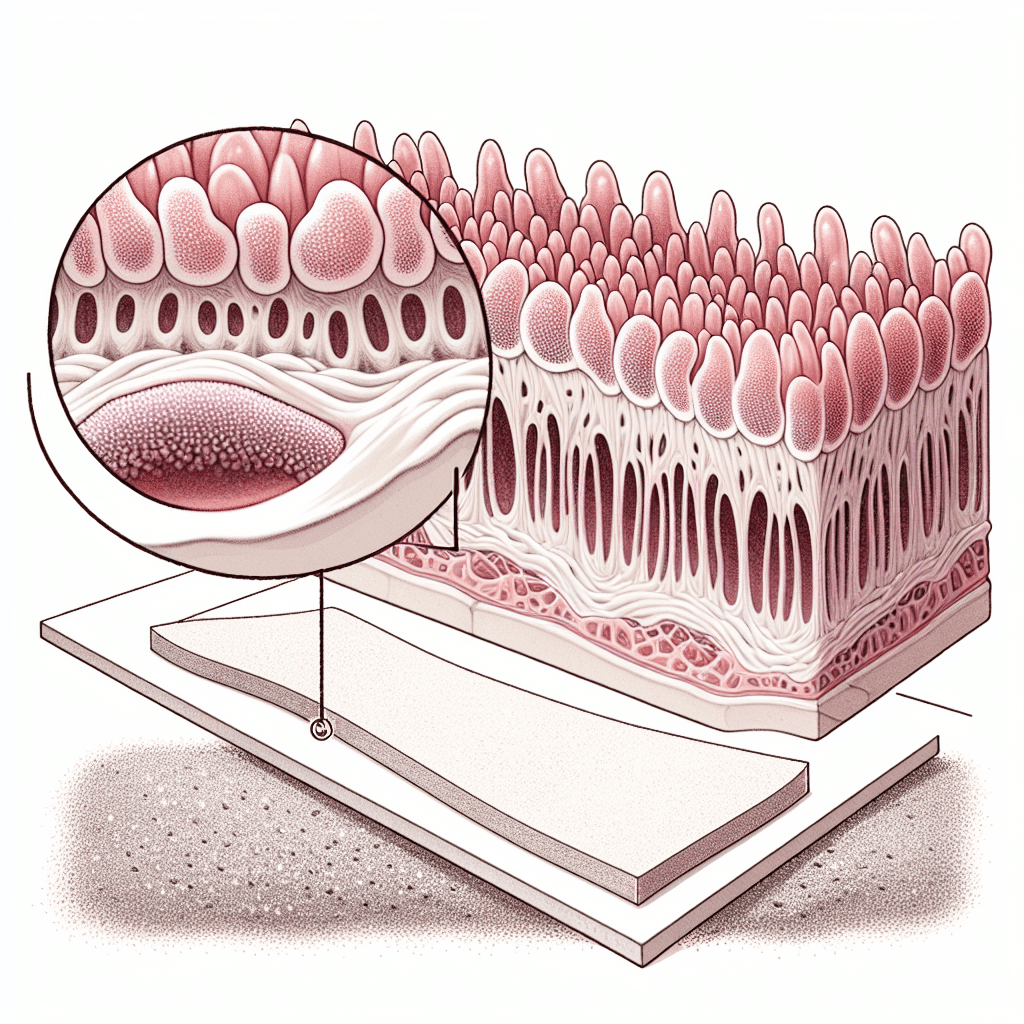
That sandpaper feeling comes from hundreds of tiny, backward-facing spines that cover the center of a cat’s tongue. These structures, known as papillae, are not soft like the taste buds on a human tongue. Instead, they are made of keratin—the very same durable, fibrous protein that makes up a cat’s claws and our own hair and fingernails.
For a long time, these papillae were thought to be simple, solid cones. However, research from institutions like Georgia Tech has revealed a far more complex design. Using 3D scans, scientists discovered that each individual spine is shaped like a tiny, curved scoop. This unique U-shaped cavity at the tip of each papilla is the secret to its incredible functionality, allowing it to do much more than just grip.
More Than Just for Tasting: The Many Jobs of a Cat's Tongue
A cat's tongue is a true multi-tool, perfectly adapted for the life of a carnivorous predator. The papillae are central to several critical daily tasks.
Master Groomer
Cats are famous for their fastidious grooming habits, spending a significant portion of their day keeping their coats in pristine condition. Their tongue is the ultimate grooming brush.
- Combing and Detangling: The backward-facing spines act like a perfect comb, working through the fur to remove dirt, debris, and loose hairs.
- Spreading Oils: This combing action also helps spread natural, waterproofing oils produced by the skin evenly across the coat, keeping it healthy and well-insulated.
Efficient Eater
As natural carnivores, a cat's ancestors needed every advantage to get the most out of a meal. The papillae provide a crucial edge when it comes to eating. They help a cat grip onto food and, most importantly, allow it to efficiently scrape every last shred of meat from the bones of its prey. This ensures no valuable nutrition goes to waste.
A Built-in Cooling Mechanism
One of the most remarkable discoveries about the cat's tongue relates to thermoregulation. The hollow, scoop-like shape of the papillae allows them to act as a highly effective wicking system. When a cat grooms, these spines collect saliva and deposit it not just on the surface of the fur but deep down against the skin. As this saliva evaporates, it provides a powerful cooling effect, which is far more efficient than what would be achieved by simply wetting the outer coat.
The One Major Drawback: The Danger of Swallowing
While the design of the cat's tongue is ingenious, it has one significant downside. Because the spines all point backward toward the throat, anything they catch—like loose fur during grooming—is very difficult to spit out. This is why cats inevitably swallow a lot of hair.
Often, this hair passes through the digestive system without issue. Sometimes, however, it accumulates in the stomach and forms a hairball (medically known as a trichobezoar) that the cat must vomit up. In rare cases, these hairballs can cause a dangerous intestinal blockage. This backward design also means that if a cat accidentally licks a piece of string, ribbon, or tinsel, it can become hooked on the papillae, forcing the cat to swallow it, which can be a life-threatening emergency.
A Marvel of Adaptation
So, the next time your feline companion gives you a sandpaper kiss, you’ll know it’s not just a sign of affection but a demonstration of an incredible evolutionary tool at work. From its role as a comb and a fork to its function as a built-in air conditioner, the cat's tongue is a perfect example of how nature engineers elegant solutions to complex problems. This rough texture is a key part of what makes a cat such a clean, efficient, and perfectly adapted animal.


