
Why does a famous waterfall sometimes appear to be a river of fire
For a few fleeting moments each year, a cascade of simple water appears to transform into a glowing river of fire, and the cause is a breathtaking celestial secret.

Too Long; Didn't Read
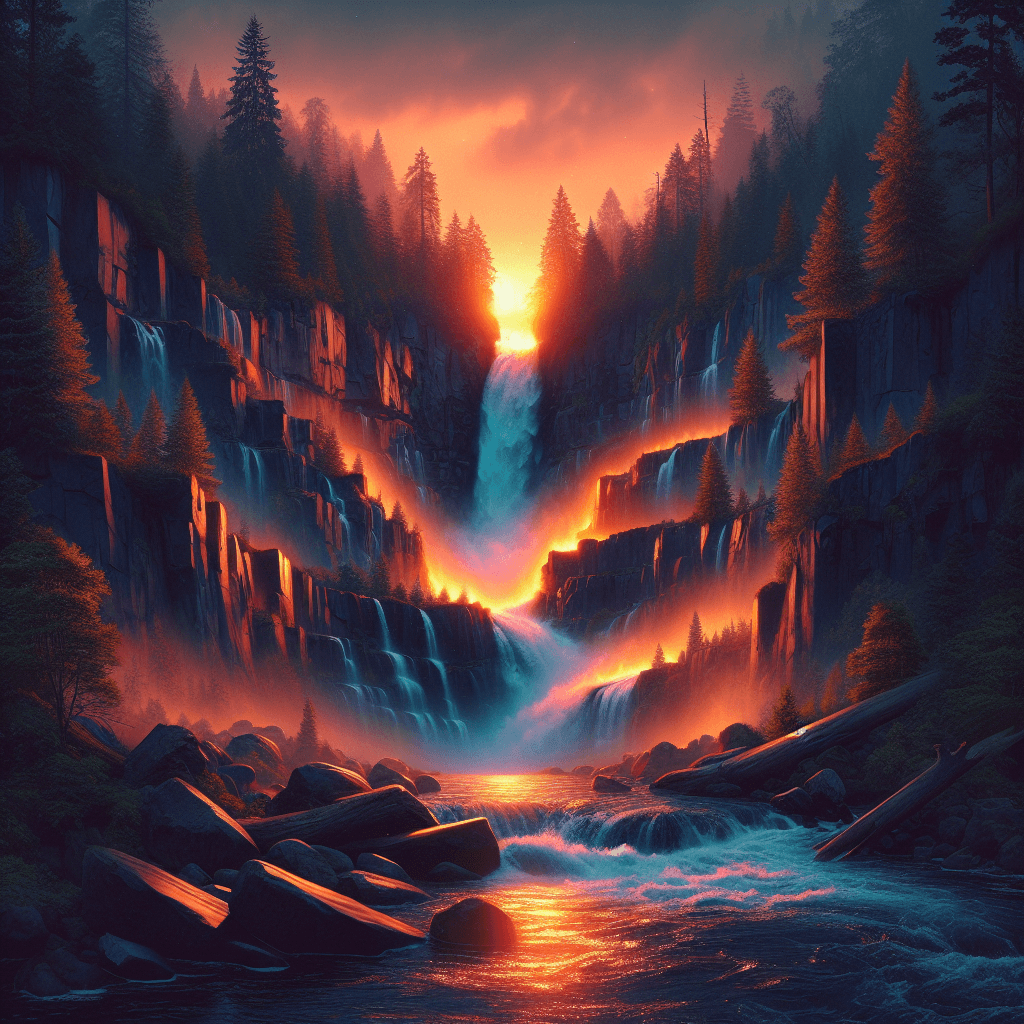
TLDR: For a few weeks in February, the setting sun hits Yosemite's Horsetail Fall at the perfect angle. If the sky is clear, the light illuminates the water, making it glow a fiery orange and look like a river of lava.
Nature's Illusion: Why Does a Famous Waterfall Sometimes Appear to Be a River of Fire?
Imagine peering at a granite cliff face as the sun begins to set, only to see a cascade of what looks like molten lava pouring over the edge. This isn't a volcanic eruption or a scene from a fantasy film; it's a real, naturally occurring spectacle that draws thousands of hopeful viewers each year. This phenomenon, famously known as the "Firefall," is one of nature's most breathtaking illusions. But how does a simple waterfall transform into a glowing river of fire? This post will unravel the science and specific conditions behind this incredible event, revealing the perfect cosmic alignment required to witness it.
The Tale of Two Firefalls
First, it's important to clarify which "Firefall" we are discussing. For many years, from 1872 to 1968, a man-made spectacle took place at Yosemite National Park's Glacier Point. In this nightly summer ritual, hotel staff would push a large bonfire over the cliff's edge, creating a cascade of embers that resembled a waterfall of fire for delighted onlookers below.
However, the National Park Service ended this practice due to environmental concerns and the fact that it was an artificial event. Today, the term "Firefall" refers to a much rarer, entirely natural phenomenon that occurs at a different location: Horsetail Fall. This waterfall flows seasonally over the eastern face of El Capitan, and under a precise set of conditions, it can light up in a fiery spectacle that far surpasses the original.
The Science Behind the Glow: A Perfect Cosmic Alignment
The transformation of Horsetail Fall into a "river of fire" is a magnificent optical illusion created by the interplay of sunlight, water, and geography. It isn't a chemical reaction or a property of the water itself, but rather the perfect reflection of the setting sun's light. For this magical event to happen, a series of conditions must align perfectly, usually for only a few minutes on clear evenings during a very specific window.
The Essential Ingredients
The chances of seeing the Firefall are slim because nature needs to provide a perfect recipe. According to park rangers and photographers who have studied the event for years, the following four elements are crucial:
- The Right Location: The phenomenon only happens at Horsetail Fall in Yosemite. The waterfall’s position on the eastern face of El Capitan is perfectly situated to be backlit by the setting sun.
- The Right Time of Year: The Firefall typically only occurs for about two weeks in mid-to-late February. During this specific window, the geometry is just right; the setting sun is at the exact angle needed to illuminate the waterfall and not the surrounding cliff face.
- Sufficient Water Flow: Horsetail Fall is an ephemeral waterfall, meaning it only flows seasonally. It is fed by the snowmelt from El Capitan. For the "fire" effect to be visible, there must be enough snowpack from winter and warm enough temperatures during the day to produce a steady flow of water. If it's too cold or a dry year, the waterfall may not be flowing at all.
- Clear Skies to the West: The most unpredictable factor is the weather. The western horizon must be perfectly clear at sunset. Even a small, ill-placed cloud can block the sun's rays at the critical moment, preventing the effect from happening.
When all these conditions converge, the last rays of daylight strike the mist and flowing water of Horsetail Fall, illuminating it in brilliant shades of orange, red, and yellow. The surrounding granite, already in shadow, provides a dark backdrop that makes the illuminated water look like a glowing ribbon of fire.
A Fleeting and Unpredictable Spectacle
Witnessing the Firefall is a lesson in patience and luck. Even when conditions seem perfect, the event is not guaranteed. The spectacle lasts for only a few minutes before the sun dips below the horizon, plunging the waterfall back into shadow. This fleeting, unpredictable nature only adds to its allure, making it a bucket-list item for nature lovers and photographers from around the globe. It's a powerful reminder of how precise and beautiful the mechanics of our natural world can be.
Conclusion
The famous "river of fire" at Horsetail Fall is not fire at all, but a stunning illusion born from a precise celestial alignment. It requires the right place, the right time of year, adequate water, and a clear sky to come to life. This convergence of factors transforms a simple mountain cascade into an unforgettable spectacle of light and water, appearing as if lava is flowing down the granite face of El Capitan. The Firefall is a testament to the magic hidden within the laws of physics and a beautiful reminder that sometimes, the most extraordinary events are simply a matter of seeing the world in the right light.


