
Why does hitting your funny bone cause a strange tingling sensation instead of normal pain
It’s not actually a bone, and the sensation is anything but funny. Discover the biological quirk that turns a simple elbow bump into a jolting electric shock that defies normal pain.

Too Long; Didn't Read
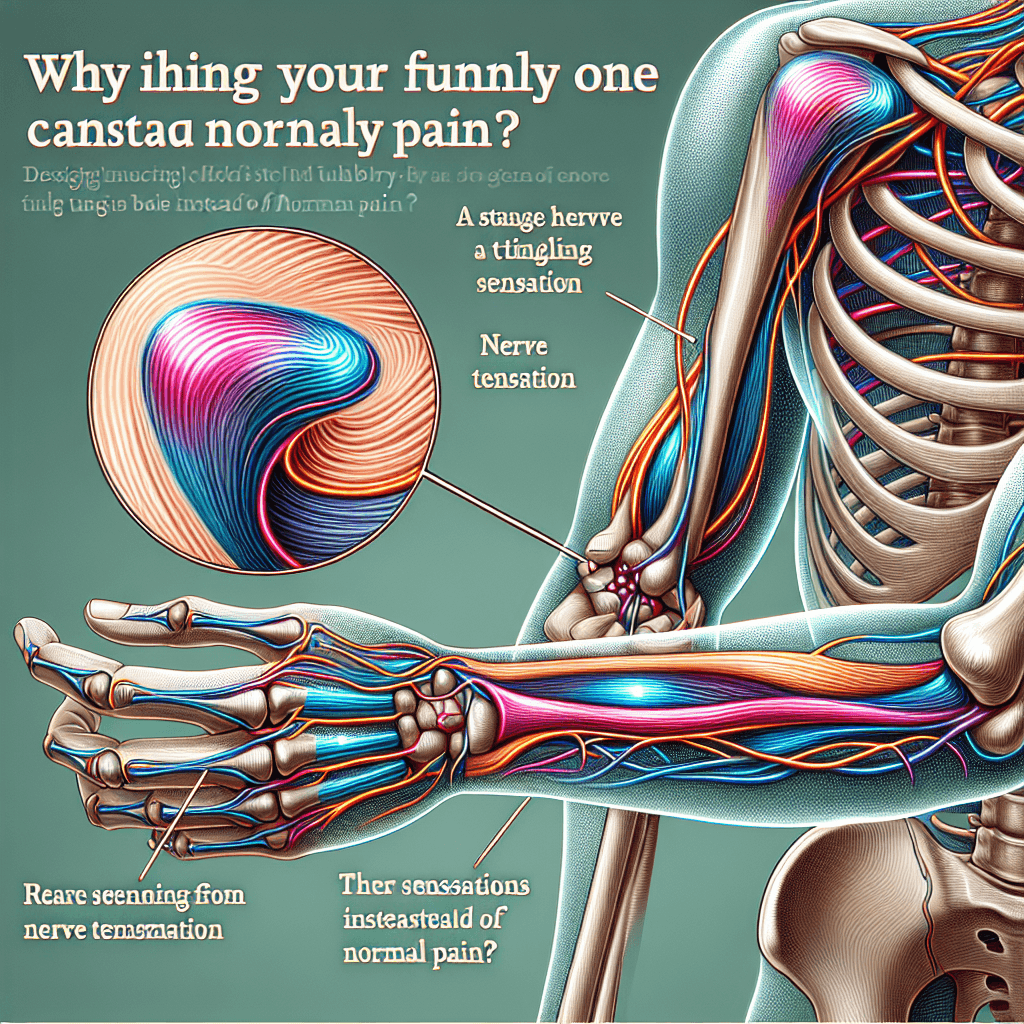
Hitting your funny bone feels strange because you are actually striking the ulnar nerve, which is relatively unprotected at the elbow. When bumped, the nerve is compressed against the bone, triggering a sharp tingling or electric sensation instead of typical muscle or skin pain.
Not So Funny: Why Does Hitting Your Funny Bone Cause a Strange Tingling Sensation Instead of Normal Pain?
We have all experienced that sudden, jarring moment: you accidentally knock your elbow against the edge of a table, and instead of a dull throb or a sharp bruise, a bizarre "electric shock" surges down your arm. Your pinky and ring fingers begin to tingle, and for a few seconds, your arm feels oddly powerless. Despite its name, hitting your "funny bone" is rarely a laughing matter. But have you ever wondered why this specific injury feels so different from a stubbed toe or a scraped knee? The answer lies in a unique quirk of human anatomy involving one of the longest unprotected nerves in your body. This post explores the biological mechanics of the ulnar nerve and explains why hitting your funny bone cause a strange tingling sensation instead of normal pain.
The Anatomy Behind the Ache: It’s Not a Bone
The first thing to understand about the funny bone is that it isn’t a bone at all. The sensation is actually caused by the ulnar nerve, a major pathway of the peripheral nervous system that runs from your neck all the way down to your hand.
As the ulnar nerve travels toward the hand, it passes through a narrow space at the elbow called the cubital tunnel. In this specific spot, the nerve rests against the medial epicondyle—the rounded protrusion of the humerus bone on the inside of your elbow. According to anatomical research from the Cleveland Clinic, most nerves in the body are deeply buried beneath layers of skin, fat, and protective muscle. However, at the elbow, the ulnar nerve is shielded by only a thin layer of skin and some connective tissue, making it exceptionally vulnerable to external impact.
The Science of the "Zing": Why It Tingles
When you "hit your funny bone," you are essentially slamming the ulnar nerve against the humerus bone. This direct compression triggers a unique physiological response.
The Mechanism of Paresthesia
In a typical injury, such as a cut, specialized receptors called nociceptors send pain signals to the brain. However, when you strike the ulnar nerve directly, you aren't just stimulating receptors; you are temporarily interrupting the nerve’s ability to transmit signals properly. This causes a phenomenon known as paresthesia.
The "strange tingling" occurs because the impact:
- Compresses the nerve fibers: This creates a sudden burst of disorganized electrical activity.
- Restricts blood flow: The momentary pressure can briefly interrupt the blood supply to the nerve.
- Scrambles signals: The brain receives a chaotic mix of sensory messages, which it interprets as tingling, numbness, or an electric shock rather than localized pain.
Because the ulnar nerve is responsible for sensation in the pinky finger and half of the ring finger, the tingling sensation usually radiates downward into those specific areas, rather than staying localized at the elbow.
Why is it Called the "Funny Bone"?
There are two primary theories regarding the origin of the name, both of which are rooted in the 19th century. The most common explanation is a linguistic pun: the bone the nerve sits against is the humerus, which sounds exactly like "humorous."
The second theory suggests the name refers to the "funny" or peculiar sensation that follows an impact. Regardless of the origin, the term has stuck in the English lexicon since at least the mid-1800s, appearing in various medical and literary texts to describe this universal human experience.
When Tingling Becomes a Problem
While the tingling from a bump usually fades within a minute, chronic pressure on this nerve can lead to a condition known as Cubital Tunnel Syndrome. According to the American Academy of Orthopaedic Surgeons, this condition occurs when the ulnar nerve becomes chronically compressed or irritated. Symptoms include:
- Persistent numbness in the hand.
- Weakness in grip strength.
- "Aching" pain on the inside of the elbow.
While a one-time "funny bone" strike is harmless, it serves as a reminder of how sensitive our nervous system is to physical pressure.
Conclusion
Understanding why hitting your funny bone cause a strange tingling sensation instead of normal pain requires looking past the bone and focusing on the ulnar nerve. Because this nerve is uniquely exposed at the elbow, any impact creates a direct compression that bypasses traditional pain receptors and sends a jumble of electrical signals to the brain. This results in the classic "pins and needles" sensation that defines the experience.
The next time you knock your elbow and feel that familiar electric jolt, remember that you’ve just had a firsthand encounter with your body’s complex wiring. While the sensation is briefly uncomfortable, it is a fascinating example of how our anatomy dictates our sensory experiences. If you find that tingling persists long after an impact, it may be worth consulting a professional to ensure your ulnar nerve is functioning correctly.


