
Why does separating velcro make that distinctive loud ripping sound
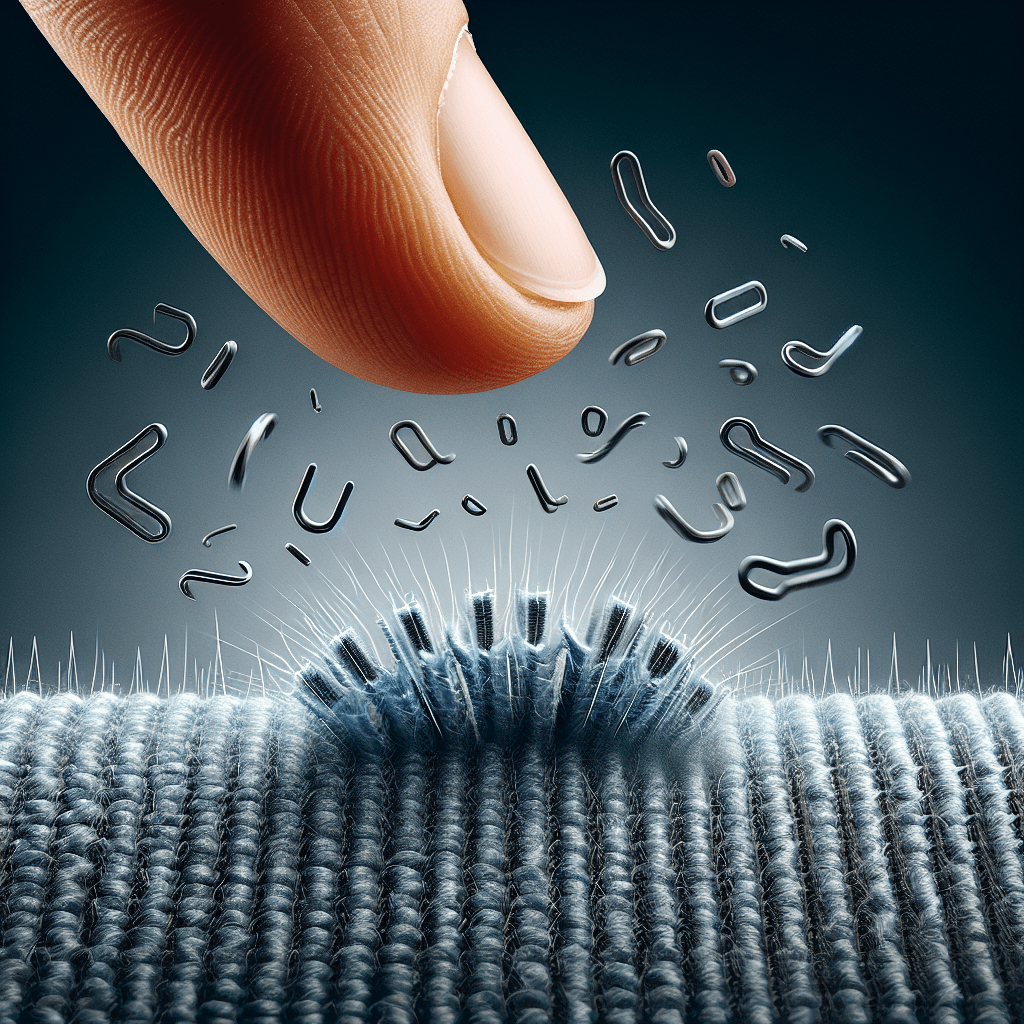
That iconic ripping sound isn't the noise of tearing fabric, but the audible shockwave created by thousands of tiny hooks violently snapping free at once.

Too Long; Didn't Read
TLDR: The loud ripping sound is the combined noise of thousands of tiny hooks suddenly snapping free from fabric loops. Each hook releasing creates a tiny pop, and all those pops happening in rapid succession sound like a single tear.
Unraveling the Noise: Why Does Separating Velcro Make That Distinctive Loud Ripping Sound?
From a toddler’s first light-up sneakers to an astronaut’s suit in zero gravity, the RRRRIP of Velcro is one of the most instantly recognizable sounds in the modern world. It’s a sound we associate with securing a jacket, strapping on a watch, or organizing cables. But have you ever stopped to wonder why such a simple action produces such a surprisingly loud and complex noise? It’s not the sound of fabric tearing, so what exactly are we hearing? The answer lies not in a single event, but in a high-speed cascade of thousands of tiny physical interactions. This post will pull back the curtain on the fascinating physics behind Velcro's signature sound.
A Quick Look at the Hook and Loop System
Before we can understand the sound, we need to appreciate the elegant simplicity of the fastener itself. Invented by Swiss engineer George de Mestral in the 1940s after noticing burdock burrs clinging to his dog's fur, the hook-and-loop fastener consists of two distinct sides:
- The Hook Side: A strip of fabric with thousands of tiny, stiff plastic hooks.
- The Loop Side: A corresponding strip with a fuzzy surface made of thousands of soft, pliable loops of thread.
When pressed together, the hooks catch onto the loops, creating a secure and reusable bond. The strength of this bond comes from the sheer number of individual connections. A single hook and loop is weak, but thousands working together create a formidable hold.
The Sound of a Thousand Tiny Breakups
The classic ripping sound of Velcro is not one single noise. Instead, it is the acoustic result of a rapid-fire chain reaction involving energy, elasticity, and vibration. The core principle at play is known as the stick-slip phenomenon.
Imagine pulling the two sides of a Velcro strip apart. As you apply force, you are essentially stretching and deforming the tiny hooks and loops. Here’s a step-by-step breakdown of what happens thousands of times per second:
- Stick (Tension Builds): A single hook is caught in a loop. As you pull, the hook bends and the loop stretches, storing elastic potential energy, much like a pulled-back rubber band.
- Slip (Sudden Release): The pulling force eventually becomes greater than the force holding the hook in the loop. At this breaking point, the hook suddenly snaps free.
- Vibration (Sound is Created): The stored elastic energy is instantly released. This release causes the hook, the loop, and the surrounding material to vibrate rapidly. These vibrations create pressure waves in the air, which our ears perceive as a tiny "pop" or "snap."
Now, multiply this process by the thousands of hooks and loops detaching in quick succession. The loud, continuous RRRRIP we hear is the acoustic summation of all these individual, microscopic snaps occurring one after another. It’s the same principle as a crowd clapping; one person’s clap is quiet, but thousands clapping together create a deafening roar.
Energy and the Auditory Evidence
Research has put hard numbers to this phenomenon. A 2015 study published by physicists at the École Normale Supérieure in Paris and the University of Illinois examined the energy dynamics of peeling apart adhesive materials. They found that the sound produced is directly proportional to the energy released as the adhesive bonds fracture. When a hook releases from a loop, not all of the stored elastic energy goes back into the material; a significant portion is dissipated as sound waves.
Several factors can influence the volume and pitch of the sound:
- Speed of Separation: The faster you pull the strips apart, the more frequently the "slip" events occur. This results in a higher-pitched and louder sound because the individual sound waves are generated closer together.
- Density of Hooks and Loops: Industrial-grade Velcro with more hooks and loops per square inch will create a louder, more intense sound than a lower-grade version.
- Material Stiffness: The type of nylon or polyester used to make the fasteners affects how much energy they can store and how they vibrate, which in turn alters the character of the sound.
Conclusion: Hearing the Physics in Action
So, the distinctive sound of separating Velcro is not the sound of tearing fabric but the collective roar of a microscopic symphony. It is the sound of thousands of tiny hooks releasing their stored energy, snapping free from their looped partners in a rapid, cascading sequence. Each rip is an audible demonstration of the stick-slip phenomenon, a beautiful example of complex acoustic results emerging from a simple mechanical design. The next time you unstrap your shoes or pull open a pouch, take a moment to appreciate the intricate physics you are hearing—the sound of a thousand tiny, energetic breakups happening in the blink of an eye.


