
Why does the miracle berry make sour lemons taste like sweet candy for nearly an hour
Imagine a tiny red fruit that tricks your tongue into thinking lemons are sugar-dusted treats. Discover the mind-bending science behind the "miracle berry" and how it temporarily rewires your taste buds for a flavor-tripping experience like no other.

Too Long; Didn't Read
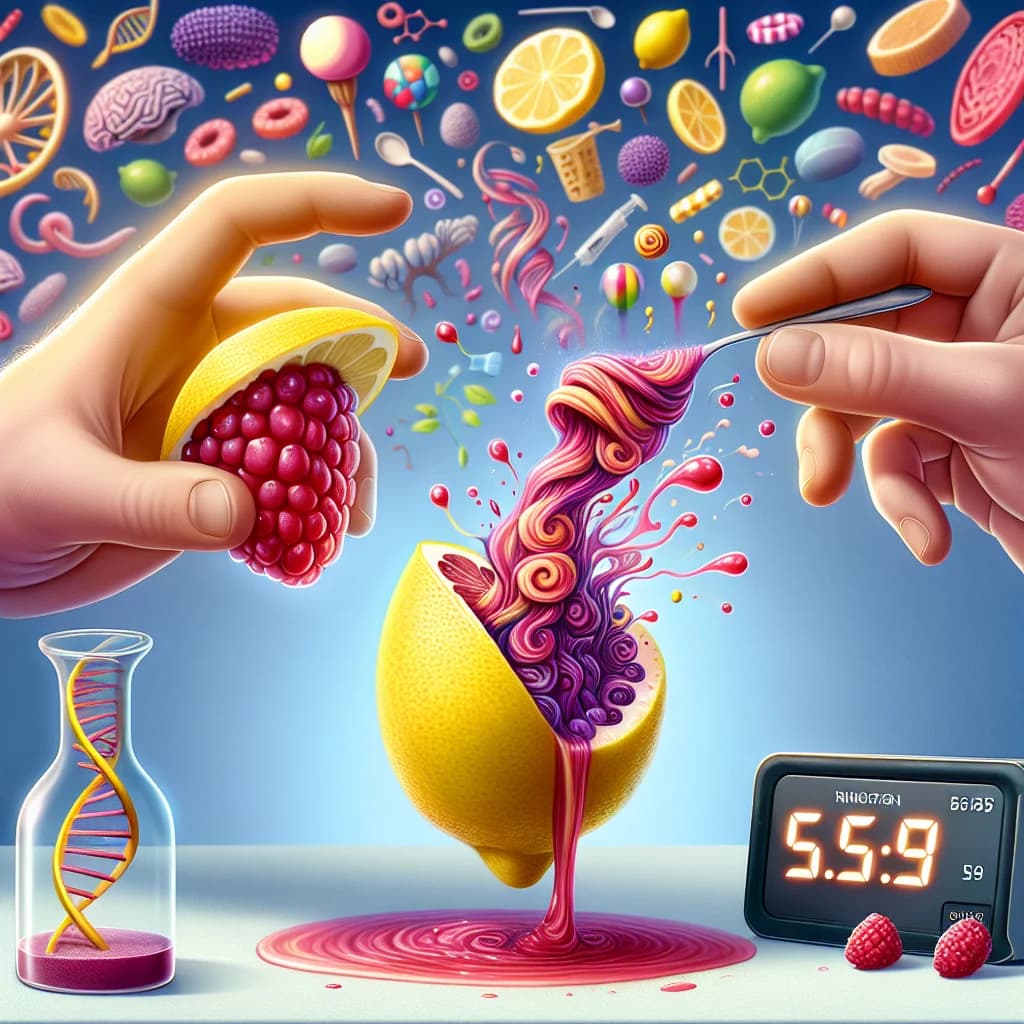
Miracle berries contain a protein called miraculin that binds to sweet taste receptors. When exposed to acidic foods like lemons, the protein changes shape and activates these receptors, tricking the brain into perceiving sour flavors as sugary sweet for up to an hour.
The Science of Sweet: Why Does the Miracle Berry Make Sour Lemons Taste Like Sweet Candy for Nearly an Hour?
Imagine biting into a wedge of raw lemon and experiencing the sugary rush of a high-end lemon drop candy rather than a mouth-puckering zing. This isn't a magic trick or a hallucination; it is a biological reality induced by a small, red fruit known as the miracle berry (Synsepalum dulcificum). For decades, "flavor tripping" parties have introduced adventurous eaters to this West African native, but the underlying science is far more fascinating than a simple party trick. This blog post explores the biochemical mechanism of the miracle berry, explaining exactly why it makes sour lemons taste like sweet candy for nearly an hour by temporarily rewiring our sensory perception.
What is the Miracle Berry?
The miracle berry is a small, berry-producing plant native to West Africa, where it has been used for centuries by indigenous populations to sweeten fermented porridges and sour foods. The fruit itself is relatively low in sugar and has a mild, tangy flavor. However, its value lies in a specific protein found within its pulp: miraculin.
Unlike artificial sweeteners or natural sugars, miraculin does not taste sweet on its own. Instead, it acts as a taste-modifier. When the berry is eaten, this glycoprotein binds to the taste buds on the tongue, lying in wait for the introduction of acidic substances.
The Mechanism: How Miraculin Rewires the Tongue
The reason a lemon tastes like candy after eating a miracle berry comes down to how miraculin interacts with our sweet-sensing receptors (known as hT1R2 and hT1R3). Under normal conditions, these receptors respond to sugar molecules, sending a "sweet" signal to the brain.
According to research published by scientists at the University of Tokyo, miraculin behaves differently depending on the pH level of the mouth:
- At Neutral pH: When your mouth is at a normal, neutral pH, miraculin binds tightly to the sweet receptors but does not activate them. In fact, it actually blocks them, making sugar taste less sweet if consumed immediately.
- At Acidic (Low) pH: When you bite into a sour food like a lemon, the acidity lowers the pH in your mouth. This causes the miraculin protein to physically change its shape. In this new conformation, it binds to the sweet receptors with extreme intensity, "turning them on" and sending a powerful sweetness signal to the brain.
Essentially, the miracle berry doesn't remove the acid from the lemon; it simply tricks your brain into perceiving that acid as an intense sweetness.
Why Does the Effect Last for Nearly an Hour?
A common question among first-time users is why the effect persists for 30 to 60 minutes. This duration is due to the physical tenacity of the miraculin protein. Once the protein binds to the sweet receptors on your tongue, it does not easily wash away with water or saliva.
The bond only breaks down gradually as saliva eventually dilutes the protein or as the protein is physically rubbed off the receptors through the natural movement of the tongue and mouth. Until that happens, every time you consume something acidic—be it vinegar, pickles, or citrus—the "switch" is flipped, and the sourness is perceived as sweetness.
Practical Applications and Research
While the miracle berry is often used for novelty, researchers are investigating its potential for serious medical and dietary applications.
- Sugar Reduction: Because it provides an intense sweet sensation without the caloric load of sugar or the aftertaste of some artificial sweeteners, it is being studied as a tool for weight management and diabetes.
- Chemotherapy Support: Many chemotherapy patients suffer from a "metallic" taste or a loss of appetite. Some clinical observations suggest that miracle berries can help these patients find food more palatable by masking unpleasant tastes and enhancing sweetness.
- Dietary Variety: It allows for the consumption of high-nutrient, low-sugar acidic foods (like grapefruit or pure cranberry juice) without the need for added sweeteners.
Conclusion
The miracle berry is a remarkable example of how nature can manipulate our sensory biology. By using the protein miraculin to hijack our sweet receptors, it transforms the most pungent acids into delightful treats. Understanding why the miracle berry makes sour lemons taste like sweet candy for nearly an hour allows us to appreciate the complex chemistry occurring on our taste buds.
Whether used as a culinary curiosity or a potential health aid, the berry serves as a reminder that our perception of the world is entirely dependent on the delicate biochemical interactions happening every time we eat. For those looking to explore the frontiers of flavor, the miracle berry offers a safe and scientifically grounded "trip" into a sweeter reality.


