Why does touching one specific plant cause a painful sting that can last for months
It’s a pain described as being electrocuted and set on fire at the same time, all from the gentle brush of a single leaf that can haunt you for months.

Too Long; Didn't Read
TLDR: The plant has tiny, hollow hairs full of a potent neurotoxin. These hairs act like needles, breaking off in your skin and continuously releasing the toxin for months, causing severe pain whenever the area is touched or stimulated.
Nature's Nightmare: Why Does Touching One Specific Plant Cause a Painful Sting That Can Last for Months?
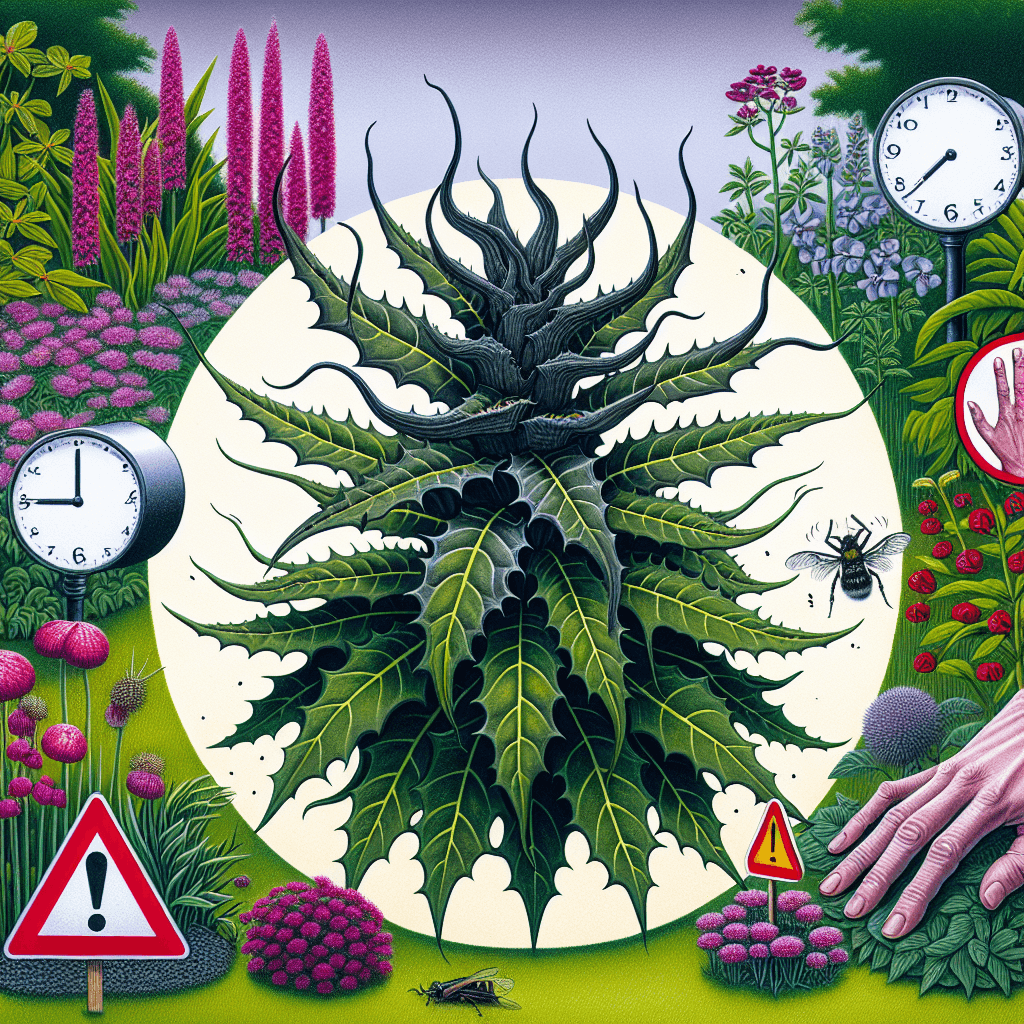
Imagine taking a walk through a lush, green rainforest. You brush against a heart-shaped leaf that looks soft and inviting, covered in a fine fuzz. Seconds later, an excruciating pain erupts, often described as being simultaneously electrocuted and set on fire. This isn't a scene from a horror film; it's a very real encounter with the Australian stinging tree, Dendrocnide moroides, more infamously known as the Gympie-Gympie. This unassuming plant is responsible for what is considered one of the most agonizing pains in the botanical world, a sting that can linger for weeks, months, or even longer. This post will explore the sophisticated biological weaponry behind the Gympie-Gympie and explain exactly why its sting is so uniquely persistent and painful.
Meet the Gympie-Gympie Tree
Native to the rainforests of northeastern Australia, the Gympie-Gympie is a member of the nettle family, but it operates on a completely different level. The entire plant—from its stems and leaves to its fruit—is covered in a dense coat of tiny, hair-like structures. While it plays a role in its ecosystem, its reputation is built entirely on its formidable defense mechanism, which has left countless hikers, scientists, and unsuspecting animals in excruciating, long-lasting pain. The stories surrounding it are legendary, with reports of horses throwing themselves off cliffs to escape the agony.
The Microscopic Weaponry: A Two-Stage Attack
The secret to the Gympie-Gympie's power lies in its specialized stinging hairs, known as trichomes. These are not simple hairs; they are sophisticated biological needles.
- The Delivery System: Each trichome is a hollow, needle-like structure made primarily of silica, the same material found in glass. This makes them incredibly brittle. The very tip of the trichome has a tiny bulb that breaks off with the slightest touch, leaving behind an incredibly sharp, angled point perfect for piercing the skin.
- The Injection: Once the tip breaks and the trichome is embedded in the skin, it acts like a hypodermic needle, injecting a potent cocktail of neurotoxins directly into the victim.
This initial contact is just the beginning of the ordeal. The real reason for the sting's severity lies within the venom itself.
The Neurotoxin Cocktail: What's in the Venom?
For years, scientists were baffled by the intensity and duration of the pain. They initially suspected common irritants like histamines or formic acid, but these couldn't explain the long-lasting, nerve-related symptoms.
Recent research from the University of Queensland has finally identified the true culprit: a newly discovered class of neurotoxic peptides named gympietides. These molecules are what make the sting so uniquely terrible. Gympietides have a complex, knot-like 3D structure that makes them incredibly stable. Their function is deviously simple: they target the pain receptors in our nerve cells—specifically the voltage-gated sodium ion channels. By binding to these channels, they essentially lock them in the "on" position, causing the nerves to fire uncontrollably. This is what your brain interprets as intense, unrelenting pain.
Why the Pain Lasts for Months
The agonizingly long duration of a Gympie-Gympie sting is due to a perfect storm of physical and chemical factors.
- Embedded Needles: The silica trichomes are incredibly difficult to remove. They are tiny, fragile, and embed deeply in the skin. For weeks or months after the initial sting, simple actions like rubbing the area, taking a shower, or even a change in temperature can physically stimulate these embedded needles, causing them to shift and re-trigger the pain response.
- An Incredibly Stable Toxin: The gympietide toxin is the main reason for the pain's persistence. Its unique molecular structure is highly resistant to breaking down. The human body struggles to metabolize it, meaning it can remain in the system, continuously irritating the nerve endings for an extended period. This chemical stability is the key difference between a Gympie-Gympie sting and a common nettle sting, which fades relatively quickly.
In conclusion, the Gympie-Gympie's sting is a masterclass in natural defense. It isn't just a simple irritant; it's a sophisticated delivery system of microscopic silica needles that inject a uniquely stable neurotoxin. This toxin, the gympietide, chemically alters nerve function to create an unrelenting sensation of pain. The combination of the physically embedded needles and the chemically persistent toxin explains why its agonizing effects can haunt a victim for months. The Gympie-Gympie serves as a powerful and painful reminder that nature's most formidable creations sometimes come in the most unassuming packages.