
Why does your own voice sound much deeper to you than it does to everyone else
Ever wonder why your recorded voice sounds like a high-pitched stranger while the one in your head remains smooth and deep? The secret lies in a fascinating trick of biology involving your own skull that ensures you never truly hear yourself the way the rest of the world does.

Too Long; Didn't Read
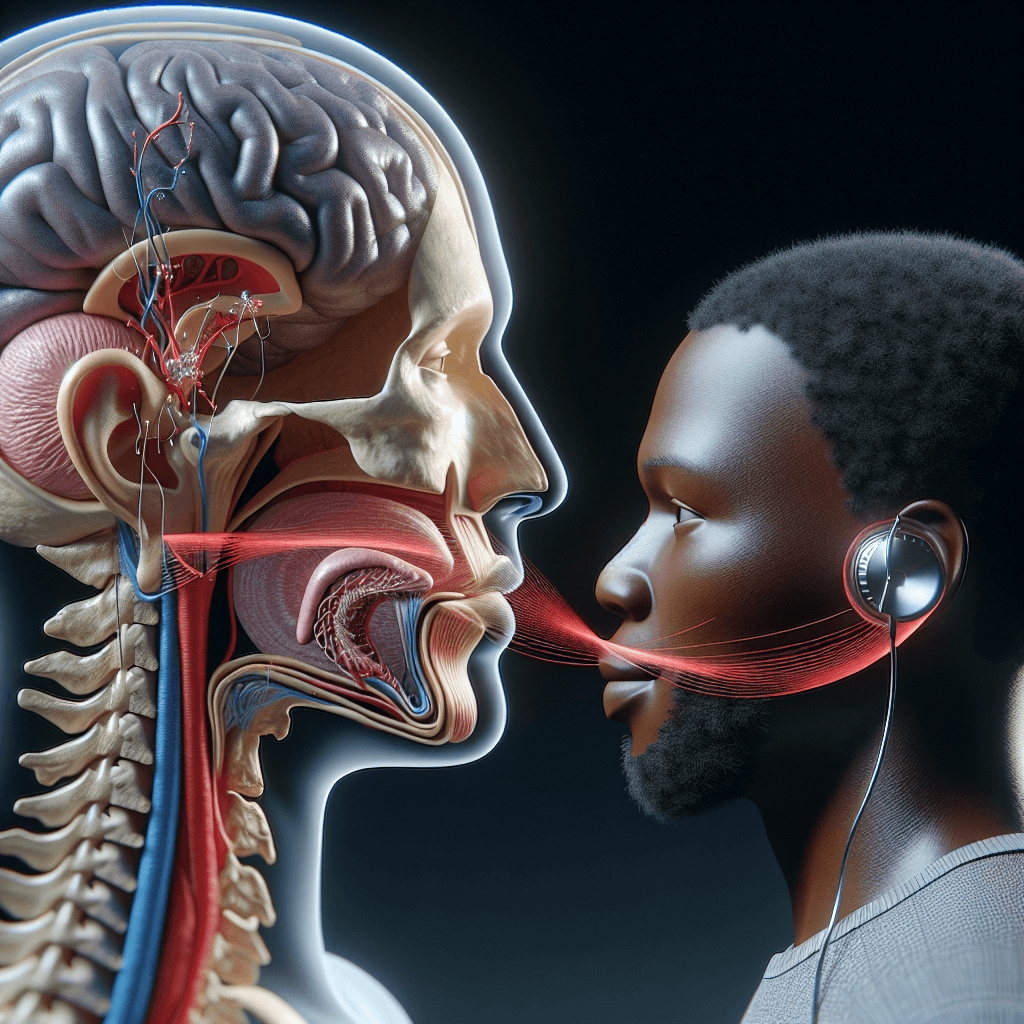
You hear your voice through both air and bone conduction. Your skull bones vibrate and amplify lower frequencies as you speak, making your voice sound deeper and richer to you than it does to others who only hear it through the air.
The Science of Self-Perception: Why Does Your Own Voice Sound Much Deeper to You Than It Does to Everyone Else?
Have you ever listened to a voice note or a video of yourself and felt a sudden wave of cringeworthy disbelief? "Is that really what I sound like?" is a question almost everyone asks at some point. This phenomenon is so universal that psychologists have a name for it: voice confrontation. While you might perceive your own speaking voice as rich, resonant, and deep, the version that comes out of a speaker often sounds thinner, higher-pitched, and unfamiliar.
This discrepancy isn’t just a trick of the mind; it is a fundamental result of human anatomy and the physics of sound. Understanding why does your own voice sound much deeper to you than it does to everyone else requires a closer look at how sound waves travel through different mediums. This post will explore the dual pathways of sound perception and the biological "equalizer" that changes how you hear yourself.
The Two Paths of Sound: Air vs. Bone
To understand why your voice sounds different to you, we first need to distinguish between the two primary ways we perceive sound: air conduction and bone conduction.
Air Conduction: How the World Hears You
When you speak, sound waves exit your mouth and travel through the air. These waves enter the ear canals of the people around you, causing their eardrums to vibrate. This is known as air conduction. According to researchers at the American Academy of Otolaryngology, this is the most common way we process external sounds. When you listen to a recording of yourself, you are hearing your voice via air conduction alone—the same way everyone else hears you.
Bone Conduction: Your Internal Microphone
When you are the one speaking, your ears receive sound from two sources simultaneously. In addition to the air-conducted sound looping back to your ears, you experience bone conduction. As your vocal cords vibrate, those vibrations travel directly through your mandible (jawbone) and cranium (skull) to the cochlea, the fluid-filled part of the inner ear.
Why Bone Conduction Makes You Sound Deeper
The reason for the perceived "depth" of your own voice lies in the way bone conducts energy compared to air.
- Low-Frequency Preservation: Bone is a denser medium than air. As vibrations travel through the skull, the bone structure naturally filters out higher-pitched frequencies while emphasizing lower, bass-heavy frequencies.
- The "Booster" Effect: This internal pathway acts like a built-in graphic equalizer that turns up the bass. It adds a "rumble" and a sense of fullness to the sound that only the speaker can perceive.
- Mechanical Filtering: Because the skull is a solid mass, it dampens the sharper, more "nasal" qualities of the voice, smoothing out the sound before it reaches your inner ear.
Because of this, the voice you hear in your head is a "remix" consisting of high-frequency air conduction and low-frequency bone conduction. When you hear a recording, that low-frequency "bone boost" is missing, leaving you with a sound that feels unpleasantly thin and high.
The Psychological Impact of Voice Confrontation
The discomfort we feel when hearing our recorded voice isn't just about the pitch; it’s about a disconnect in self-identity. Scientists at the University of Essex have noted that we build our vocal identity based on the internal, deeper version of our voice. When we are confronted with the air-conducted version, it creates a "perceptual mismatch."
We often associate deeper voices with authority, maturity, and confidence. When we realize the world hears us at a higher frequency than we hear ourselves, it can lead to a brief moment of vulnerability or self-consciousness. However, it is important to remember that because others have only ever known your air-conducted voice, they do not perceive it as "high" or "thin"—to them, it is simply your natural, authentic sound.
Conclusion
The mystery of why does your own voice sound much deeper to you than it does to everyone else is a fascinating intersection of biology and physics. Your skull acts as a private acoustic chamber, enhancing the lower registers of your vocal cords through bone conduction. While the "recorded" version of your voice might feel alien or disappointing, it is simply the version of you that exists in the shared physical space of the air.
Understanding this mechanism can help lessen the "cringe" factor the next time you hear yourself on a recording. You aren't losing quality; you are simply losing the internal bass boost that only you are privileged to hear. If you are interested in learning more about how your senses shape your reality, consider exploring the psychology of auditory perception or the mechanics of speech pathology.


