
Why is the distinct smell of a swimming pool actually caused by sweat and urine
That nostalgic "pool smell" isn’t actually chlorine at all; it’s a pungent chemical byproduct created when disinfectants mix with sweat, oils, and urine. Discover the unsettling truth behind what that scent really says about the water before you take your next dip.

Too Long; Didn't Read
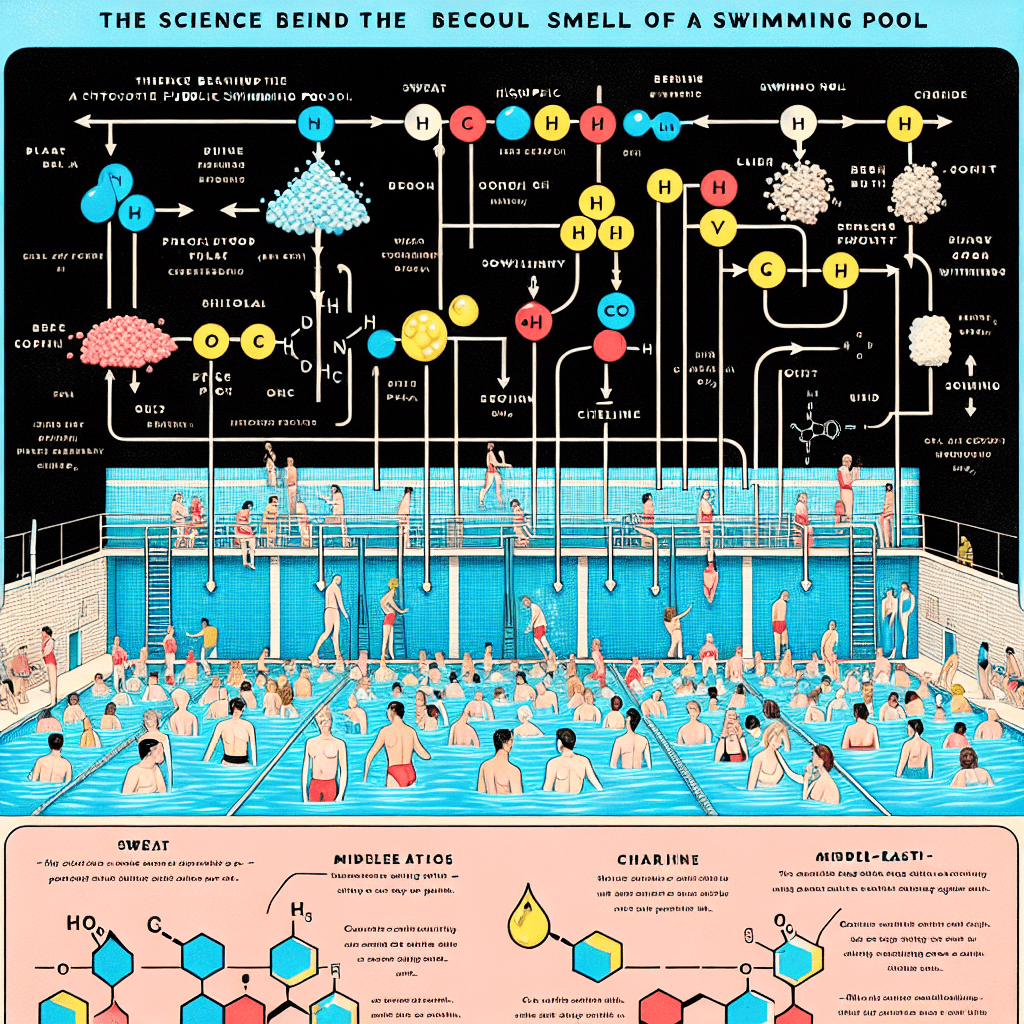
The distinct scent associated with swimming pools is actually caused by chloramines, which are chemical compounds formed when chlorine reacts with organic matter like sweat, oils, and urine. A strong pool smell typically indicates that the water contains more contaminants and has less effective disinfectant available.
The Science of "Pool Smell": Why is the distinct smell of a swimming pool actually caused by sweat and urine?
For many, the pungent, chemical aroma that hits your nose the moment you enter an indoor aquatic center is synonymous with cleanliness. We have been conditioned to believe that a strong "chlorine" scent means the water is sterile and safe for a dip. However, the reality is quite the opposite. That signature scent is not the smell of fresh disinfectant; rather, it is the byproduct of a chemical reaction between chlorine and human waste.
Understanding why the distinct smell of a swimming pool is actually caused by sweat and urine is essential for both public health and personal hygiene. This phenomenon reveals a common misconception about water chemistry: a healthy, well-treated pool should, in fact, have almost no odor at all. This post explores the science behind chloramines, the health implications of "pool smell," and how swimmers can help maintain a cleaner environment.
The Chemistry of Chloramines
To understand the source of the smell, we must first look at how chlorine functions in water. When pool operators add chlorine to a pool, it forms free chlorine (hypochlorous acid), which is responsible for killing bacteria, viruses, and parasites. However, when free chlorine encounters organic nitrogen-containing compounds—specifically those found in sweat, urine, and skin cells—a chemical reaction occurs.
This reaction creates "combined chlorine," also known as chloramines. According to the Water Quality & Health Council, there are three main types of chloramines:
- Monochloramine: Formed when one chlorine atom replaces a hydrogen atom in ammonia.
- Dichloramine: Formed when two atoms are replaced.
- Trichloramine: The most volatile form, which off-gasses into the air.
It is the trichloramines that produce the "distinctive pool smell" we recognize. When you smell that heavy chemical scent, you are actually smelling the gas that is released as chlorine works to neutralize the contaminants left behind by swimmers.
The Myth of the "Clean" Chlorine Scent
There is a persistent public health myth that a strong-smelling pool is a clean pool. In reality, a strong odor indicates that the free chlorine in the water is being depleted as it binds to pollutants. This leaves less "active" chlorine available to fight off dangerous pathogens like E. coli or Cryptosporidium.
Research conducted by the Centers for Disease Control and Prevention (CDC) suggests that a properly balanced pool with adequate ventilation and high-quality filtration should be virtually odorless. If the scent is overwhelming, it is often a sign that the pool’s chemistry is struggling to keep up with the "bather load"—the amount of organic material introduced by the people in the water.
Why Do My Eyes Turn Red?
Contrary to popular belief, it is rarely the chlorine itself that causes red, itchy eyes or respiratory irritation during a swim. Instead, these symptoms are typically caused by the chloramines.
- Eye Irritation: Trichloramines act as a direct irritant to the mucous membranes of the eyes.
- Respiratory Issues: In indoor pools with poor ventilation, these gases can accumulate near the surface of the water, potentially triggering asthma-like symptoms or coughing in sensitive individuals and competitive swimmers.
- Skin Dryness: While chlorine can dry out skin, the "stinging" sensation often attributed to "too much chlorine" is frequently the result of the water’s pH being skewed by the formation of chloramines.
How to Prevent Chloramine Buildup
The responsibility for a clean pool lies not just with the facility managers, but with the swimmers themselves. Because the distinct smell of a swimming pool is caused by sweat and urine, reducing these inputs significantly improves water quality.
1. The Pre-Swim Shower
A quick, one-minute rinse before entering the pool can remove the majority of sweat, lotions, and natural oils from the skin. According to studies by the CDC, even a brief shower helps prevent these substances from reacting with chlorine in the first place.
2. Don’t Use the Pool as a Toilet
It may seem like common sense, but surveys frequently show that a significant percentage of adults admit to urinating in swimming pools. Urine contains urea, a nitrogen-rich compound that is a primary driver of chloramine production.
3. Maintain Proper Ventilation
For indoor facilities, air circulation is critical. Moving the "bad air" (the off-gassed trichloramines) away from the surface of the water and replacing it with fresh air helps reduce the smell and the associated health irritations.
Conclusion
The "pool smell" we have grown accustomed to is a chemical warning sign rather than a badge of cleanliness. Now that we understand why the distinct smell of a swimming pool is actually caused by sweat and urine, we can change our perspective on aquatic hygiene. The pungent odor is the result of chloramines forming as chlorine works to neutralize organic contaminants.
By practicing better hygiene—such as showering before entry and never urinating in the water—we can help ensure that chlorine stays "free" to do its job of killing germs. The next time you walk into a pool area and smell nothing at all, you can dive in with confidence, knowing the water is truly clean. To learn more about water safety, always check the chemical testing logs often posted by public facilities.


