
Why is the pleasant scent of freshly cut grass actually a chemical distress signal released by injured plants
That refreshing aroma of freshly cut grass is actually a silent, chemical "scream" for survival. Discover the startling science behind why your favorite summer scent is actually a plant's desperate distress signal.

Too Long; Didn't Read
The scent of freshly cut grass consists of green leaf volatiles released by plants when injured. This chemical distress signal acts as an SOS to trigger healing, warn neighboring plants of danger, and attract beneficial insects to defend against further damage.
Nature's Silent Scream: Why the Pleasant Scent of Freshly Cut Grass is Actually a Chemical Distress Signal
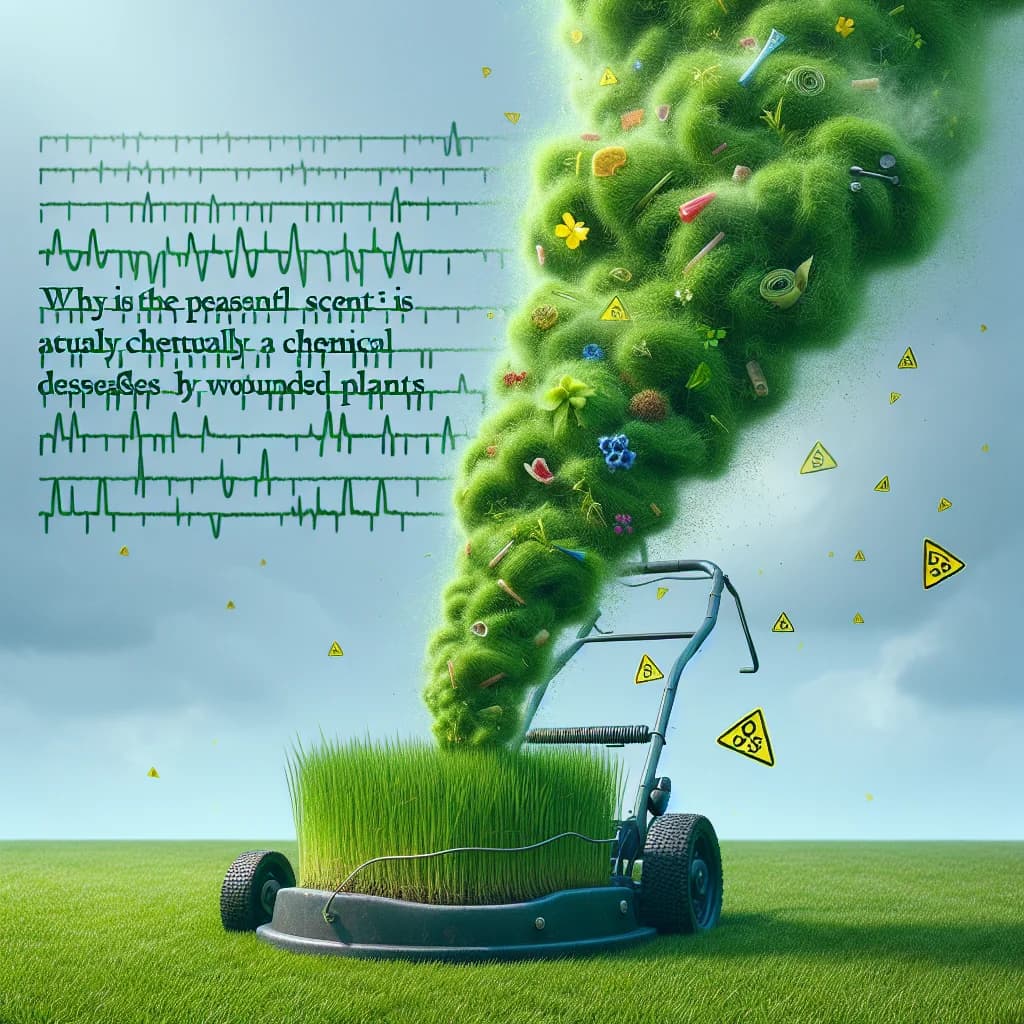
For many, the aroma of a freshly mown lawn is the quintessential scent of summer, evoking memories of backyard barbecues and warm afternoons. This fragrance is so widely loved that it is frequently synthesized for candles, perfumes, and air fresheners. However, to a botanist, this pleasant perfume represents something far more intense: a frantic cry for help. When you push your mower across the yard, you aren’t just tidying the landscape; you are witnessing a massive, coordinated release of chemical warnings. Why is the pleasant scent of freshly cut grass actually a chemical distress signal released by injured plants? Far from being a passive byproduct of destruction, this scent is a sophisticated survival mechanism designed to protect the plant and its neighbors from further harm.
The Chemistry of the "Green" Scent
The specific aroma we associate with cut grass is comprised of a group of organic compounds known as Green Leaf Volatiles (GLVs). These are carbon-based molecules—specifically oxygenated hydrocarbons—that are released into the air when a plant suffers physical tissue damage.
According to researchers at the University of Delaware, these compounds are not stored within the plant’s cells in their final form. Instead, they are synthesized almost instantaneously when the plant’s cell membranes are ruptured. Enzymes begin breaking down fats and acids within the plant, transforming them into the molecules that eventually reach our noses. While humans perceive these molecules as "fresh" or "green," in the biological world, they serve as a potent chemical "flare" sent up by an organism under siege.
A Multi-Purpose Defense Mechanism
The release of GLVs is not an accidental leakage; it serves several critical evolutionary functions. When a blade of grass is cut, it faces immediate threats from dehydration, infection, and predation. The chemical signal functions in three primary ways:
1. Wound Healing and Infection Control
Much like a human body produces a scab after a cut, plants use GLVs to initiate a "closed-door" policy. Some of these chemicals possess strong antibacterial and antifungal properties. By flooding the site of the injury with these compounds, the plant prevents pathogens from entering the open "wound" created by the mower blade or a hungry insect.
2. Plant-to-Plant Communication
One of the most fascinating aspects of this distress signal is its role in "priming" neighboring vegetation. When a plant releases GLVs, nearby plants—even those of different species—can "smell" the distress. According to studies published in the journal Science, this triggers a defensive response in the healthy neighbors. They may begin moving nutrients away from their leaves or producing bitter chemicals to make themselves less appetizing to potential herbivores before the threat even reaches them.
3. Recruiting "Bodyguards"
Perhaps the most tactical use of these scents is the recruitment of predatory insects. In a natural setting, a plant is usually "cut" by a leaf-eating caterpillar rather than a lawnmower. Research from Texas A&M University has shown that specific GLVs act as a homing beacon for parasitic wasps. These wasps are attracted to the scent of the injured plant, where they find and lay their eggs inside the caterpillars that are eating the grass, effectively neutralized the threat through biological warfare.
Comparing Mowing to Natural Predation
While the plant reacts to a lawnmower the same way it would to a pest, there are distinct differences in how these signals are interpreted in the ecosystem:
- Mechanical Damage (Mowing): Results in a massive, uniform release of GLVs across a wide area, often confusing the local insect population.
- Targeted Predation (Insects): Results in a more localized and specific chemical signature that can tell a predator exactly what kind of insect is attacking the plant.
The Complexity of Botanical Survival
Understanding that the "freshly cut grass" smell is a distress signal shifts our perspective on the natural world. It reveals that plants are not static objects but active participants in a complex, invisible dialogue. This chemical signaling highlights the evolutionary ingenuity of organisms that cannot run away from danger. Instead of fleeing, they use chemistry to heal, warn their kin, and call for reinforcements.
The next time you catch a whiff of a freshly mowed lawn, remember that you are sensing a sophisticated biological alarm system. While the scent remains a pleasant hallmark of the outdoors for us, for the grass, it is a high-stakes effort to survive in a world of constant threats. Reconsidering this "pleasant" aroma allows us to appreciate the hidden resilience and communicative depth of the greenery beneath our feet.


