
Why is there a secret private apartment hidden at the very top of the Eiffel Tower
Tucked away near the summit of the world’s most famous landmark lies a plush, velvet-lined sanctuary that most tourists never see. Discover why Gustave Eiffel built this secret hideaway—and why he once refused a fortune to let anyone else stay the night.

Too Long; Didn't Read
Gustave Eiffel built a secret apartment at the peak of the tower to serve as a private laboratory and a high-altitude sanctuary for hosting elite guests like Thomas Edison. While many wealthy Parisians offered to rent the space, Eiffel kept it strictly for himself to conduct scientific experiments away from the noise of the city.
Eiffel’s Hidden Sanctuary: Why is there a secret private apartment hidden at the very top of the Eiffel Tower?
When the Eiffel Tower was unveiled at the 1889 World’s Fair, it was met with a mixture of awe and architectural criticism. Yet, while the world marveled at the record-breaking iron lattice, Gustave Eiffel was hiding a secret nearly 1,000 feet above the Champ de Mars. Tucked away just below the spire sat a cozy, private apartment that almost no one was permitted to enter. For decades, this space remained a mystery to the public, sparking rumors and intense envy among the Parisian elite. But why is there a secret private apartment hidden at the very top of the Eiffel Tower? This post explores the history, purpose, and legacy of the world’s most exclusive residence.
The Vision of Gustave Eiffel: A Private Refuge in the Sky
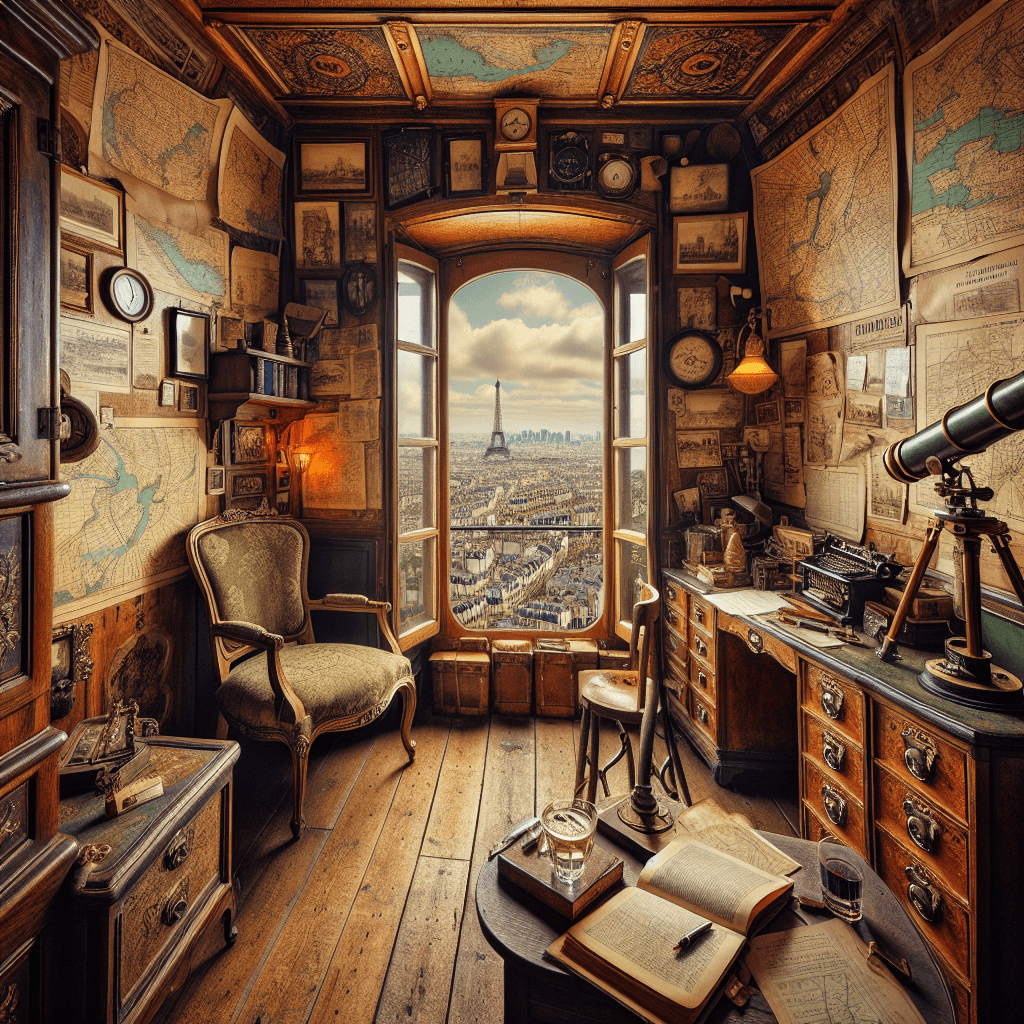
When Gustave Eiffel designed his eponymous tower, he didn’t just view it as a monument to industrial progress; he saw it as a functional space. The apartment was built specifically to serve as Eiffel’s personal retreat and office. While the exterior of the tower was a radical display of modern engineering, the interior of the apartment was remarkably traditional.
According to historical records and contemporary descriptions, the space was decorated in a simple, "bourgeois" style. Unlike the cold, industrial iron that surrounded it, the apartment featured:
- Soft, patterned wallpaper and colorful chintz fabrics.
- Wooden cabinets and plush furniture.
- A grand piano, which Eiffel used to entertain guests.
- A small kitchen and a bathroom.
While thousands of tourists climbed the tower to see the view, Eiffel enjoyed a quiet, carpeted sanctuary that felt more like a Parisian home than the top of a metal skyscraper.
Why the Apartment Was Kept Secret and Exclusive
The "secrecy" of the apartment wasn’t necessarily about hiding its existence—many people knew it was there—but rather about its extreme exclusivity. As soon as word spread about the private residence, Eiffel became the target of intense social pressure. Members of the Parisian high society reportedly offered him small fortunes to rent the space for even a single night.
Eiffel refused them all. He valued the privacy of the apartment above any financial gain, preferring to keep the space as a quiet zone for reflection and high-level intellectual exchange. This refusal only added to the apartment’s mystique, making it one of the most envied pieces of real estate in the world.
A Hub for Scientific Discovery
Beyond being a comfortable hideaway, the apartment served a significant professional purpose. Gustave Eiffel was a man of science, and he used the tower as a massive laboratory.
- Meteorology and Aerodynamics: Eiffel installed various scientific instruments throughout the tower and used the apartment as a base to study wind resistance, weather patterns, and atmospheric pressure.
- The Meeting with Thomas Edison: One of the most famous events to occur within the apartment was the visit of Thomas Edison in September 1889. Edison gifted Eiffel a phonograph, and the two spent hours discussing technology and innovation high above the city.
- Telecommunications: Eiffel’s commitment to scientific utility is actually what saved the tower from being demolished. His permit for the tower was only for 20 years; by transforming it into a giant radio antenna and laboratory, he proved its long-term value to the French government.
Visiting the Apartment Today
For most of the 20th century, the apartment was closed to the public. However, in recent years, the space has been meticulously restored to its original condition. While visitors cannot physically enter the room to walk around, it is now visible through glass partitions for those who take the lift to the "Top" level of the tower.
Inside, the management of the Eiffel Tower has placed lifelike wax figures of Gustave Eiffel, his daughter Claire, and Thomas Edison, recreating their historic 1889 meeting. This allows modern travelers to see exactly what life looked like at the summit during the Belle Époque.
Conclusion
The secret apartment at the top of the Eiffel Tower serves as a fascinating reminder that even the grandest monuments have a human side. Why is there a secret private apartment hidden at the very top of the Eiffel Tower? It exists because Gustave Eiffel sought a balance between public achievement and private intellectual pursuit. It wasn't just a luxury suite; it was a sanctuary for science and a quiet escape from the bustling city below. Today, the apartment remains a symbol of the tower’s dual legacy as both an artistic icon and a scientific marvel. Next time you look up at the Parisian skyline, remember that the very tip of the "Iron Lady" holds a small, cozy room that witnessed the birth of the modern age.


