Why must a specific type of wasp die inside a fig for it to ripen
That delicious fig on your plate has a dark secret, serving as both a nursery and a tomb for the tiny wasp that must make the ultimate sacrifice for the fruit to ripen.

Too Long; Didn't Read
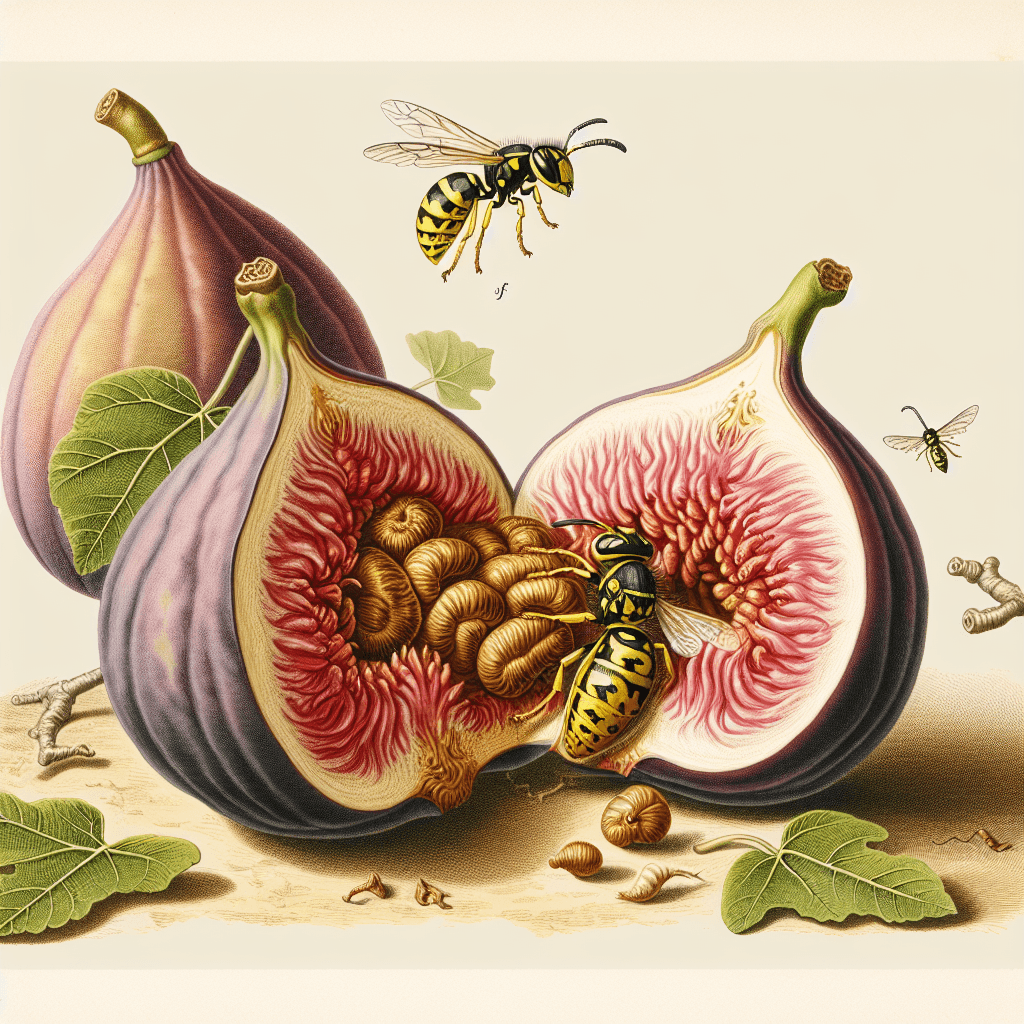
TLDR: A female wasp crawls inside a fig to pollinate its internal flowers, which is what allows the fig to ripen and produce seeds. The wasp gets trapped, lays her eggs, and dies, but the fig then releases an enzyme that completely digests her body.
Nature's Grim Pact: Why Must a Specific Type of Wasp Die Inside a Fig for It to Ripen?
Have you ever bitten into a soft, sweet fig and wondered about its unique texture and incredible flavor? The story behind this fruit is far more dramatic than you might imagine. It’s a tale of a highly specialized partnership, a one-way journey, and an ultimate sacrifice. The fascinating truth is that for many types of figs to ripen, a tiny, specific insect known as a fig wasp must complete its entire life cycle—and die—inside it. This intricate dance between plant and insect is one of nature's most stunning examples of co-evolution. This post will unravel the incredible biological process that explains why a wasp's death is the key to a fig's life.
What is a Fig, Really?
To understand this strange relationship, we first need to correct a common misconception: a fig is not a typical fruit. It's actually an "inflorescence"—a cluster of hundreds of tiny flowers and seeds contained within a fleshy, bulbous stem. This structure is called a syconium.
If you were to cut a young fig open, you wouldn’t see a solid pulp. Instead, you'd see a hollow cavity lined with countless small, individual flowers. The only way to access these internal flowers for pollination is through a tiny opening at the bottom of the fig called the ostiole. This unique structure sets the stage for a very exclusive relationship.
A One-Way Trip: The Fig Wasp's Life Cycle
Because the fig's flowers are hidden away, they can't be pollinated by the wind or by common pollinators like bees. Instead, nearly every one of the 850-plus species of fig trees has its own unique species of fig wasp to do the job. This is a textbook example of obligate mutualism, where neither organism can survive without the other.
The process is a marvel of nature's design:
- The Entry: A pregnant female fig wasp, no bigger than a gnat and carrying pollen from the fig she was born in, is drawn to the scent of a young, unpollinated fig. She squeezes her way through the minuscule ostiole. This journey is so arduous that it rips off her wings and antennae, trapping her inside forever.
- Pollination and Procreation: Once inside, the female wasp gets to work. She moves from flower to flower, laying her eggs in some of them while simultaneously depositing the pollen she carried with her, thus pollinating other flowers. With her life's mission complete, she dies inside the fig.
- The Next Generation: The wasp eggs hatch. The male wasps are born first; they are blind, wingless, and their sole purposes are to mate with their sisters (who hatch shortly after) and to chew a tunnel out of the fig wall.
- The Exodus: After mating, the newly pregnant female wasps crawl through the escape tunnel carved by the males. On their way out, they pass by the now-mature male flowers, picking up pollen to carry to the next fig. The males die shortly after their work is done, never leaving the fig they were born in.
This cycle ensures the fig tree is pollinated and can produce viable seeds, while the fig itself provides the perfect, protected nursery for the next generation of wasps.
So, Am I Eating a Dead Wasp?
The short answer is: yes, but not really. As the pollinated fig ripens, it produces a special enzyme called ficin (or ficain). This powerful enzyme breaks down the dead female wasp's entire body, including her exoskeleton, into proteins that the fig absorbs as nourishment. By the time the fig is ripe and ready to eat, the wasp has been completely recycled by the fruit.
Furthermore, many of the most common commercial fig varieties, like the 'Black Mission' or 'Brown Turkey', are parthenocarpic. This means they are self-pollinating and can produce fruit without the need for a wasp's visit. So, while this incredible natural drama unfolds constantly, the fig you bought at the grocery store is likely wasp-free.
A Perfect Symbiosis
The relationship between the fig tree and the fig wasp is a delicate and powerful reminder of the interconnectedness of life. It’s a story of sacrifice and survival that has been perfected over millions of years. The wasp gives its life to pollinate the fig, ensuring the tree can reproduce. In return, the fig provides the only place in the world where the wasp can lay its eggs, guaranteeing the survival of its species. So, the next time you enjoy the sweet taste of a fig, take a moment to appreciate the complex and dramatic journey that brought it to you—a testament to one of nature's most fascinating partnerships.