
Why was a popular oil paint pigment called Mummy Brown actually made from ground up ancient human remains
For centuries, the art world’s favorite earth-tone held a gruesome secret: it was literally crafted from ground-up Egyptian mummies. Discover the macabre history of "Mummy Brown" and how the remains of the ancient dead ended up on some of history’s most famous canvases.

Too Long; Didn't Read
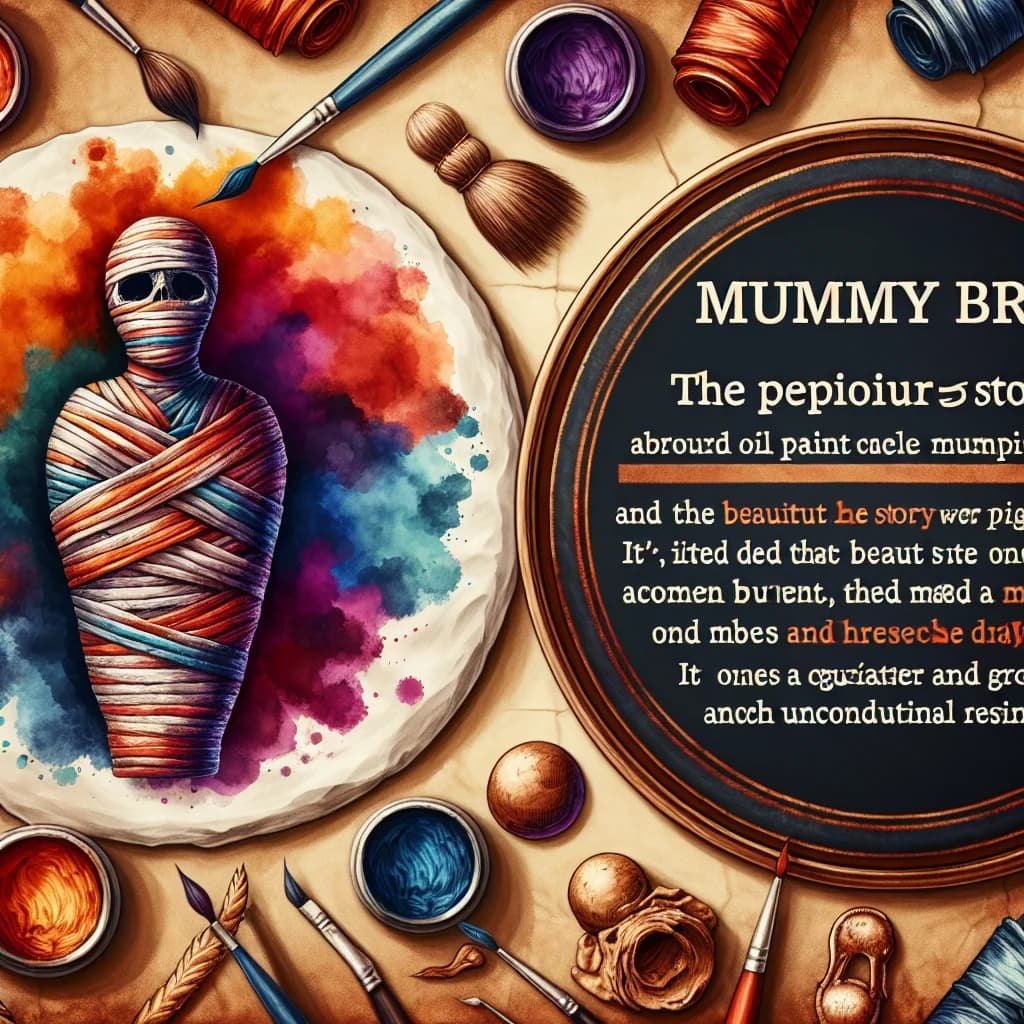
Mummy Brown was a popular pigment used between the 16th and 19th centuries that was literally made by grinding up ancient Egyptian human and feline remains. Artists valued it for its rich transparency and fleshy tones, but the pigment fell out of use as painters became aware of its morbid origins and the supply of mummies eventually became scarce.
The Macabre Truth: Why Was a Popular Oil Paint Pigment Called Mummy Brown Actually Made from Ground Up Ancient Human Remains?
Imagine an 18th-century artist meticulously glazing a portrait, seeking a rich, transparent brown to capture the depth of a shadow or the warmth of a skin tone. They reach for a tube labeled "Mummy Brown." While modern consumers might assume the name was a marketing gimmick or a nod to the color’s earthy hue, the reality was far more literal. For centuries, one of the most sought-after pigments in the European art world was produced by grinding up the actual remains of ancient Egyptians.
This blog post explores the unsettling history of Mummy Brown, examining why this pigment became a staple in art studios and how the demand for "ancient remains" fueled a bizarre and macabre trade that lasted until the mid-20th century.
From Medicine to the Masterpiece: The Origins of Mummy Brown
The use of ground mummies did not actually begin in the art studio; it began in the pharmacy. During the Middle Ages, a substance called mumia was highly prized for its supposed medicinal properties. Originally, mumia referred to a natural bitumen found in Persia, which was believed to heal wounds and mend broken bones.
However, as demand outpaced the supply of natural bitumen, Europeans began to believe that the black, resinous material found inside Egyptian mummies was the same substance. By the 12th century, "mumia" had transitioned from a mineral description to a literal trade in human remains. When the medicinal craze eventually waned, the leftovers of this industry found a new home in the world of fine art.
Why Artists Coveted a "Dead" Color
By the 16th and 17th centuries, Mummy Brown (also known as caput mortuum, or "death's head") had become a popular choice for oil painters. Artists were not necessarily drawn to it for its morbid origins, but rather for its unique technical properties. According to historical records from color houses like C. Roberson & Co., the pigment possessed several desirable traits:
- Transparency: It was an excellent glazing pigment, allowing light to pass through layers of paint.
- Richness: It offered a deep, warm brown that sat somewhere between burnt umber and raw sienna.
- Versatility: It was frequently used for shadows, drapery, and flesh tones, appearing in the works of masters like Eugène Delacroix and the Pre-Raphaelite Brotherhood.
A Ghastly Supply Chain
The production process was as straightforward as it was gruesome. To create the pigment, entire mummies—both human and feline—were harvested from Egyptian tombs, shipped to Europe, and processed. The remains were ground in a mortar and pestle and then mixed with white pitch and mastic to create a workable oil paint.
During the 18th and 19th centuries, the "mummy trade" was a thriving industry. Travelers to Egypt could easily purchase ancient remains from locals to bring back as souvenirs or to sell to colorists. Because the pigment required genuine organic matter, the supply was entirely dependent on the looting of ancient burial sites.
The Moral Awakening and the End of an Era
Interestingly, many artists were unaware of the pigment’s literal ingredients. A famous anecdote involves the Pre-Raphaelite painter Edward Burne-Jones. Upon discovering that his tube of Mummy Brown was actually made of human remains, he was so horrified that he held a small funeral in his garden, burying his last tube of the paint to give the "mummy" a proper resting place.
The decline of Mummy Brown was driven by three main factors:
- Ethics: As the 19th century progressed, the desecration of ancient remains became socially and morally unacceptable.
- Stability: Chemically, Mummy Brown was unreliable; it tended to crack over time and reacted poorly with other pigments due to the ammonia and fat content in the remains.
- Supply: Quite simply, the world ran out of mummies. In 1964, the managing director of C. Roberson & Co. informed the press that the company had "run out of mummies" and could no longer produce the authentic pigment.
Conclusion
The history of Mummy Brown serves as a chilling reminder of how the pursuit of aesthetic beauty can sometimes intersect with ethical darkness. Why was a popular oil paint pigment called Mummy Brown actually made from ground up ancient human remains? It was the result of a historical misunderstanding of medicine, a lack of archaeological preservation laws, and a period of history that viewed ancient cultures as commodities rather than heritages.
Today, if you see "Mummy Brown" on a paint tube, it is a synthetic blend of minerals like hematite and goethite. While the rich brown hue remains a favorite for many, the literal "mortal" ingredient has thankfully been retired to the annals of history. For those interested in the intersection of art and history, the story of this pigment highlights the importance of ethical sourcing in the materials we use to create.


