Why was a popular paint color called Mummy Brown actually made from ground-up ancient Egyptian remains until the 1960s
It sounds like a gothic legend, but until the 1960s, one of the art world’s most popular pigments was actually crafted from the ground-up remains of ancient Egyptian royalty. Discover the macabre true story behind "Mummy Brown" and why some of history’s greatest masterpieces are hiding a dark, morbid secret.

Too Long; Didn't Read
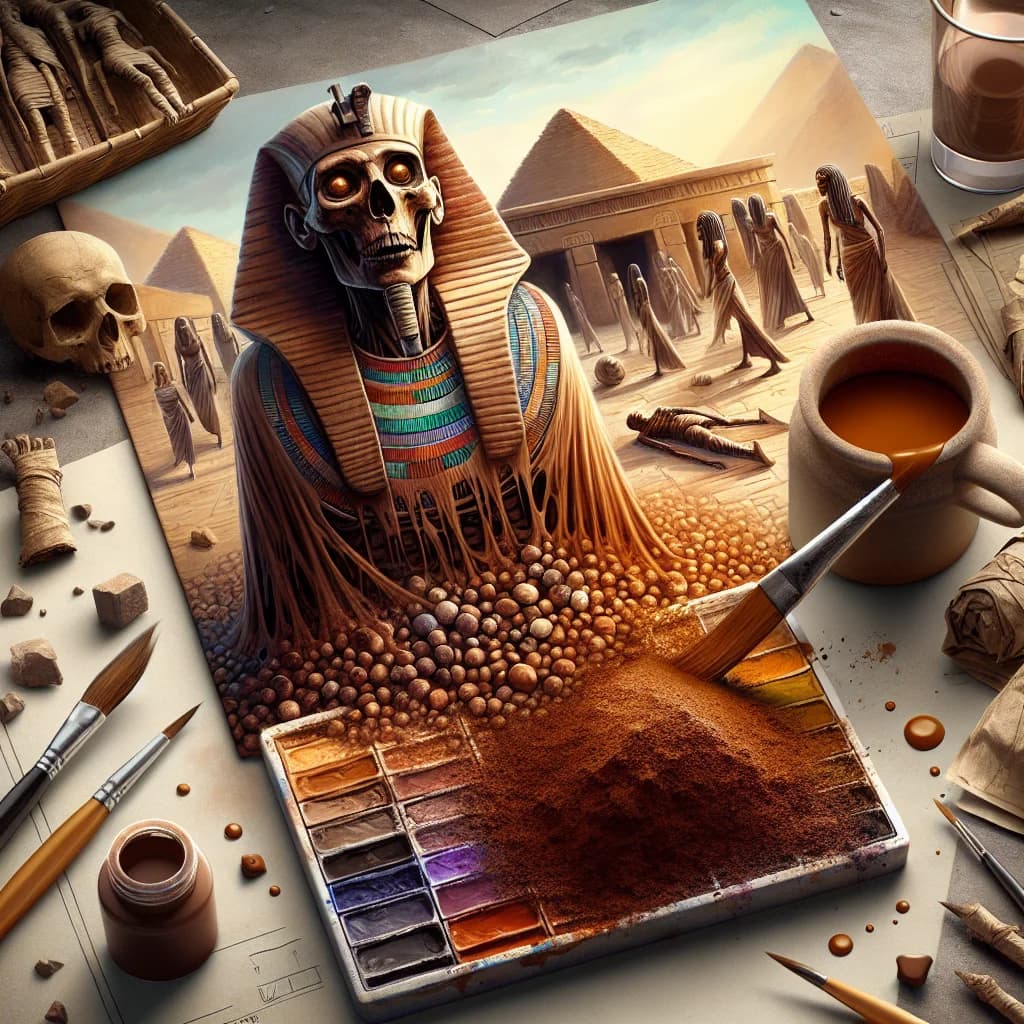
Mummy Brown was a popular artist pigment created by grinding up human and feline remains because it offered a unique transparency and rich tint. It remained in production until the 1960s, eventually stopping only when manufacturers ran out of ancient Egyptian corpses and ethical concerns made the practice socially unacceptable.
The Macabre History of Art: Why Was a Popular Paint Color Called Mummy Brown Actually Made From Ground-Up Ancient Egyptian Remains Until the 1960s?
Imagine standing in a prestigious art gallery, admiring the rich, earthy shadows of a 19th-century masterpiece, only to realize those deep tones were derived from the literal remains of ancient humans. For centuries, this was the reality of the art world. A pigment known as "Mummy Brown" was a staple on the palettes of renowned artists, prized for its transparency and versatility. However, its name was not a creative metaphor; the paint was produced by grinding up embalmed Egyptian mummies. This blog post explores the disturbing history of Mummy Brown, examining how a fascination with antiquity evolved into a literal "death-mask" for canvas, and why this practice persisted until as recently as the 1960s.
The Medicinal Roots of a Macabre Medium
The use of ground mummies did not actually begin in the artist’s studio, but in the apothecary’s shop. During the 12th century, a misunderstanding of the word mumia led Europeans to believe that Egyptian mummies possessed miraculous healing properties. The original Persian word mūm referred to bitumen—a natural asphalt used in the embalming process—which was thought to cure everything from bruising to epilepsy.
As the demand for medicinal bitumen outpaced the supply, European physicians began importing actual ground-up mummies, believing the bodies were saturated with the healing substance. By the 16th century, "mumia" was a standard pharmaceutical item. It wasn't a long leap from the pharmacy to the art studio; as the medicinal craze eventually faded, the surplus of ground remains found a new life as a pigment.
Why Artists Loved Mummy Brown
Despite its grisly origins, Mummy Brown (also known as Caput Mortuum, or "dead head") became exceptionally popular among European painters between the 17th and 19th centuries. Artists were drawn to its unique physical properties:
- Transparency: It was an excellent glazing pigment, allowing light to pass through layers of oil paint.
- Rich Texture: It possessed a warm, fleshy undertone that was difficult to replicate with minerals or plant-based dyes.
- Versatility: It was ideal for depicting shadows, skin tones, and the deep folds of drapery.
According to historical records from the era, the pigment was created by mixing ground human and feline remains with white pitch and myrrh. While it was aesthetically pleasing, the paint was notoriously unstable. Because it contained ammonia and fat from the remains, it had a tendency to crack over time and could react poorly with other pigments on the canvas.
The Victorian Obsession and Ethical Ignorance
The height of Mummy Brown’s popularity coincided with "Egyptomania"—a period when Western explorers and tourists flooded Egypt, often bringing back mummies as souvenirs or curiosities. During this time, the supply of mummies was so vast that they were treated as a commodity rather than ancestral remains.
Interestingly, many artists were reportedly unaware of the paint's literal ingredients. A famous anecdote involves the Pre-Raphaelite painter Edward Burne-Jones. According to memoirs written by his wife, Georgiana, Burne-Jones was horrified to discover the true nature of the pigment during a lunch with fellow artist Alma-Tadema. Upon learning the paint contained human remains, he reportedly went to his studio, fetched his tube of Mummy Brown, and gave it a formal burial in his garden.
The End of an Era: 1964
The production of Mummy Brown did not stop because of a sudden moral epiphany in the art world, but rather due to a simple lack of raw materials. By the early 20th century, the supply of ancient mummies had dwindled significantly due to increased regulation in Egypt and the sheer volume of bodies already consumed by medicine, fertilizer, and art.
The definitive end of Mummy Brown occurred in the mid-1960s. In 1964, Geoffrey Roberson—the managing director of the famous London color maker C. Roberson and Co.—informed reporters that the company had finally run out of mummies. He noted that they might have "a few odd limbs lying around," but not enough to continue manufacturing the pigment. Today, modern "Mummy Brown" is safely produced using a blend of minerals like hematite and goethite, mixed with kaolin or quartz, ensuring that the only thing remaining of the original color is its evocative name.
Conclusion
The history of Mummy Brown serves as a startling reminder of how the pursuit of aesthetic beauty can sometimes clash with human ethics. For centuries, the remains of ancient Egyptians were treated as mere raw materials for European consumption, ending up as shadows on a canvas rather than resting in their intended tombs. While the practice finally ceased in the 1960s due to a depleted supply, the legacy of this macabre pigment lives on in the museums of the world. By understanding the origins of the materials used in historical art, we gain a deeper, albeit more complex, appreciation for the masterpieces that have survived through the ages.