
Why was a secretion from beaver scent glands historically used to create artificial vanilla and raspberry flavorings
Think your favorite sweets have a purely floral origin? Discover the bizarre history of how a pungent secretion from a beaver’s scent gland became the unlikely secret ingredient behind world-famous vanilla and raspberry treats.

Too Long; Didn't Read
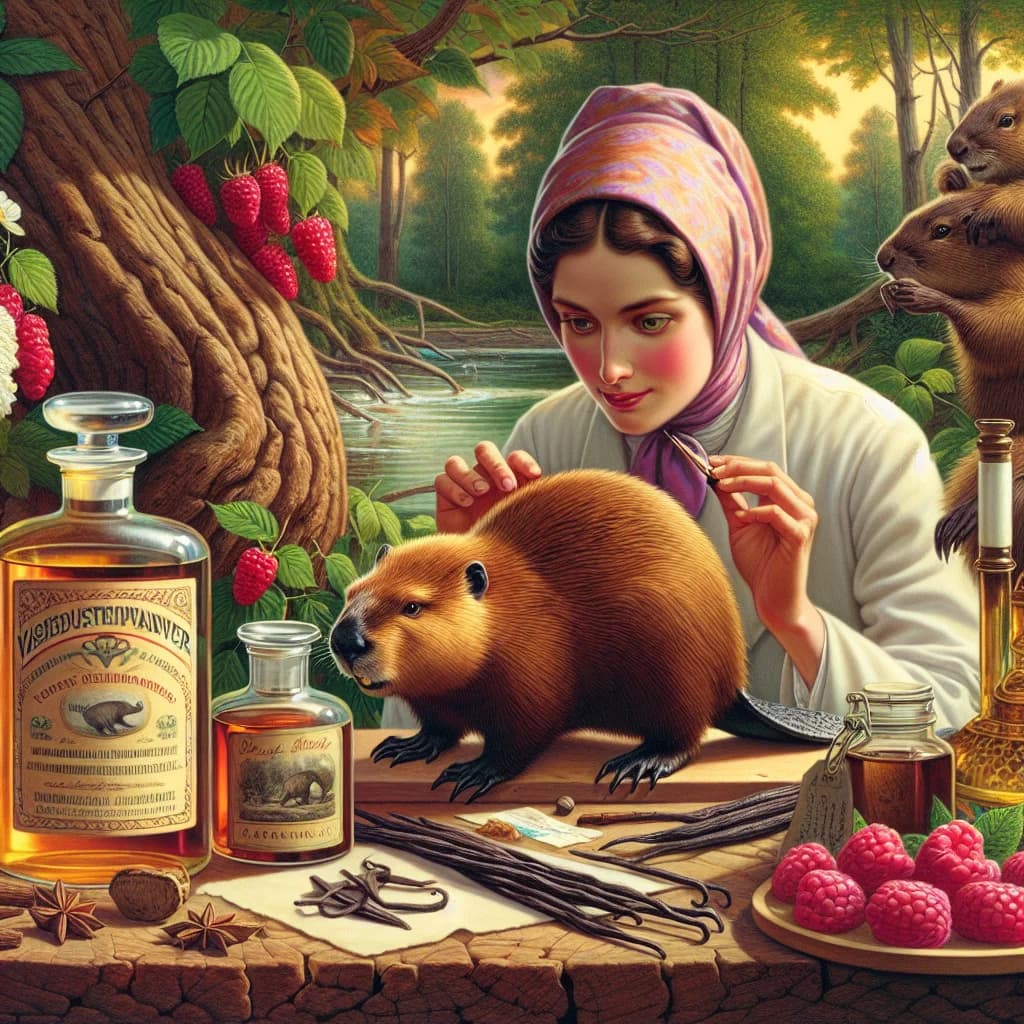
Castoreum, a secretion from beaver scent glands, was historically used in vanilla and raspberry flavorings because its chemical profile naturally mimics those scents due to the beaver’s diet of bark and leaves. While still FDA-approved, it is rarely used today because extracting it is labor-intensive and expensive compared to synthetic alternatives.
The Sweet Secret: Why Was a Secretion From Beaver Scent Glands Historically Used to Create Artificial Vanilla and Raspberry Flavorings?
Imagine biting into a soft vanilla cupcake or sipping a tart raspberry soda. The last thing you would likely associate with these sweet treats is a semi-aquatic rodent. However, for decades, the flavor and fragrance industries utilized an unlikely substance known as castoreum—a secretion from the scent glands of beavers. While the idea might seem unappetizing to modern consumers, there was a sophisticated chemical and historical logic behind its use. This blog post will explore the unique properties of castoreum, explaining why a secretion from beaver scent glands was historically used to create artificial vanilla and raspberry flavorings and why it has largely disappeared from our shelves today.
What is Castoreum?
To understand why this substance was used, we must first define what it is. Castoreum is a yellowish, waxy exudate produced by the castor sacs of both male and female North American and European beavers. These sacs are located in a cavity between the pelvis and the base of the tail.
Beavers use this secretion, often mixed with urine, to mark their territory and waterproof their fur. Unlike many animal secretions that produce an unpleasant odor, castoreum possesses a complex, musky, and surprisingly pleasant scent. According to the Flavor and Extract Manufacturers Association (FEMA), castoreum has been used for over 80 years in food and perfume applications due to its unique aromatic profile.
The Chemistry of Flavor: Why Vanilla and Raspberry?
The primary reason castoreum became a go-to for flavorists lies in the beaver’s diet. Beavers are herbivores that primarily consume bark, leaves, and twigs from trees like willow, aspen, and birch. These plants are rich in salicylic acid and other phytochemicals.
When a beaver metabolizes these plants, it produces chemical compounds such as:
- Guaiacol: A compound with a smoky, medicinal aroma.
- Ethylphenol: A chemical that contributes to a complex, leathery scent.
- Acetophenone: A compound that provides floral and sweet notes.
The combination of these chemicals creates a scent profile that closely mimics the "creamy" and "woody" notes found in natural vanilla beans. Furthermore, when diluted, castoreum takes on a fruity, floral character that enhances the tart profile of raspberry flavorings. Because it is a natural substance produced by an animal, the U.S. Food and Drug Administration (FDA) traditionally categorized it as "Generally Recognized as Safe" (GRAS), allowing it to be labeled under the broad umbrella of "natural flavors."
Historical Context and Industrial Use
The use of castoreum dates back much further than the modern food industry. Historically, it was valued for its medicinal properties. In ancient Greece and Rome, it was used to treat headaches, fever, and hysteria—a use that was not entirely unfounded, as the salicylic acid from the beaver's diet is the primary precursor to aspirin.
In the early 20th century, as the demand for vanilla skyrocketed and natural vanilla beans remained expensive and difficult to harvest, flavorists looked for cost-effective alternatives. Castoreum was an ideal candidate because:
- Stability: It acted as a fixative, helping volatile flavor molecules last longer on the palate.
- Complexity: It added "base notes" to flavor profiles that simple synthetic chemicals could not replicate.
- Availability: During the height of the fur trade, beavers were being trapped extensively for their pelts, making the castor sacs a readily available byproduct of the industry.
Why Is It Rarely Used Today?
While the internet often circulates the "beaver butt in your ice cream" myth as a current reality, the truth is that castoreum use in food is now exceptionally rare. According to industry data, total annual consumption of castoreum in the United States is less than 300 pounds. To put that in perspective, Americans consume over 20 million pounds of vanillin annually.
Several factors led to its decline:
- Extraction Difficulties: Harvesting castoreum is a labor-intensive and expensive process. It requires anesthetizing the beaver and "milking" the glands, or collecting the glands from animals already trapped for fur.
- Scalability: It is impossible to produce castoreum on a scale that meets global food demands.
- Synthetic Alternatives: Most modern vanilla flavoring is now derived from vanillin, which is synthesized cheaply from lignin (a component of wood pulp) or petroleum.
- Consumer Perception: As "clean labeling" became a priority, food companies moved away from animal-derived ingredients that might cause a public relations backlash.
Conclusion
The historical use of castoreum is a fascinating chapter in the evolution of food science. We use it to answer the question: why was a secretion from beaver scent glands historically used to create artificial vanilla and raspberry flavorings? The answer lies in the beaver’s unique diet and the resulting chemical compounds that naturally mirror the complex aromatics of fruit and spice.
While castoreum remains an FDA-approved natural flavor, its presence in your modern pantry is virtually non-existent, relegated instead to high-end perfumery where its musky notes are still prized. Understanding the history of castoreum helps us appreciate the ingenuity—and the occasional strangeness—of how we have learned to flavor our world. The next time you enjoy a vanilla treat, you can do so with the knowledge that its sweet taste is likely the result of modern chemistry rather than the secrets of the beaver.


