
Why was the cotton candy machine originally co-invented by a professional dentist
It sounds like a sugary conspiracy, but the world’s fluffiest carnival treat was actually co-perfected by a man sworn to protect your teeth. Discover the delicious irony behind the dentist who traded drills for spun sugar and changed the face of sweets forever.

Too Long; Didn't Read
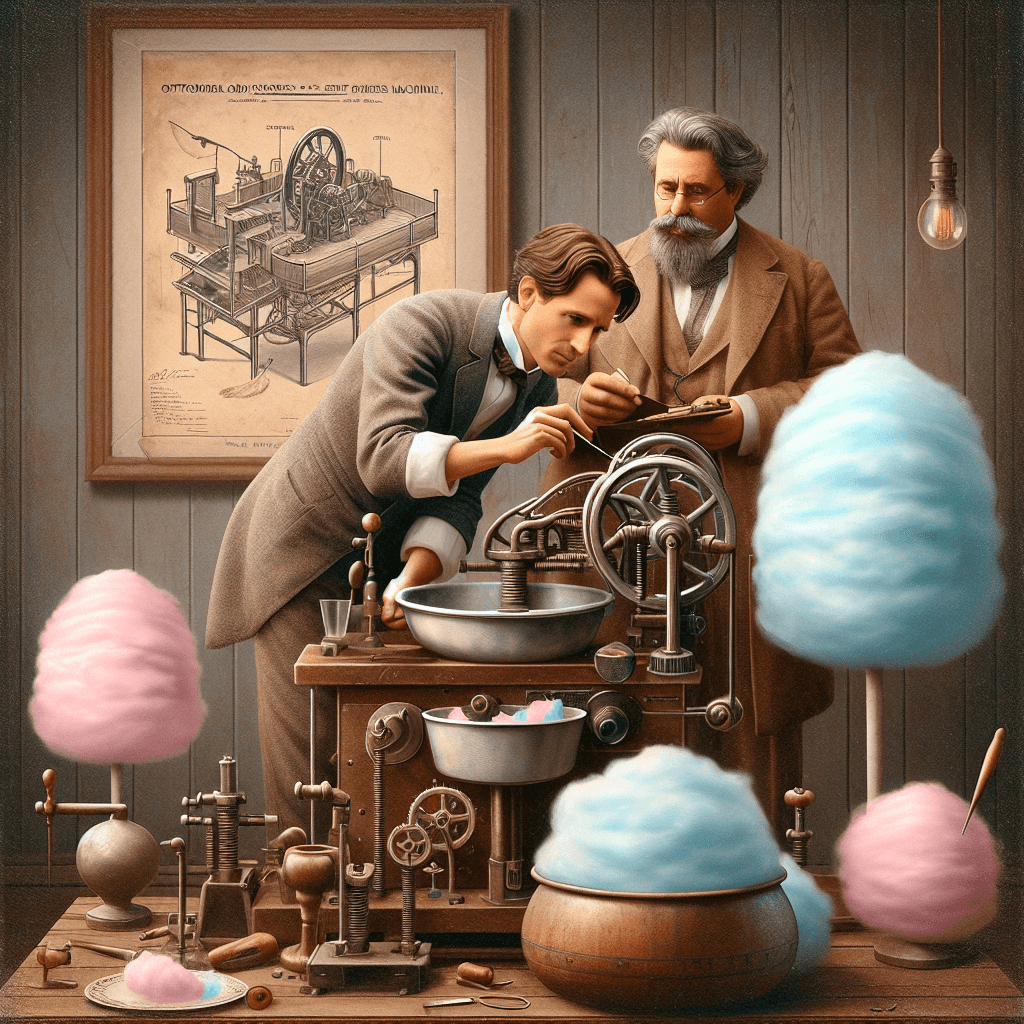
Dentist William Morrison co-invented the cotton candy machine in 1897 alongside a confectioner to automate the difficult and labor-intensive process of spinning sugar. Originally called Fairy Floss, the invention debuted at the 1904 World’s Fair, highlighting Morrison's interest in food innovation despite his dental background.
From Cavities to Confections: Why Was the Cotton Candy Machine Originally Co-Invented by a Professional Dentist?
It is one of the most enduring ironies in culinary history: the fluffy, sugary treat that serves as the ultimate nemesis to dental hygiene was actually co-created by a dentist. When we think of the late 19th century, we often imagine stern Victorian sensibilities, yet this era birthed one of the most whimsical snacks ever conceived. Cotton candy, originally known as "Fairy Floss," has been a staple of carnivals and fairs for over a century, but its origin story is rooted in an unlikely partnership between a confectioner and a healthcare professional. But why was the cotton candy machine originally co-invented by a professional dentist? This post explores the fascinating history, the mechanical innovation behind the machine, and the paradoxical motivations of its creator, Dr. William Morrison.
The Unlikely Partnership of 1897
In 1897, Dr. William Morrison, a prominent dentist from Nashville, Tennessee, teamed up with an old friend and professional confectioner named John C. Wharton. At first glance, the pairing seems contradictory. Morrison was a man dedicated to oral health, having served as the President of the Tennessee State Dental Association. However, Morrison was also a prolific tinkerer and inventor with a keen interest in chemistry and mechanics.
The duo set out to simplify the process of making "spun sugar." At the time, spun sugar was a labor-intensive delicacy reserved for the elite because it required melting sugar and manually "throwing" it with a fork to create thin strands. Morrison and Wharton sought to automate this process, leading to the design of the first electric "Fairy Floss" machine.
The Mechanics of the "Fairy Floss" Machine
The brilliance of Morrison’s invention lay in its use of centrifugal force, a concept more common in laboratory settings than in kitchens at the time. The original patent, granted in 1899, described a device that revolutionized confectionery production.
The process involved several key mechanical steps:
- Heating: A central bowl contained a heating element that melted granulated sugar into a liquid state.
- Centrifugal Force: The bowl spun at high speeds, forcing the liquid sugar toward the outer edges.
- Extrusion: The sugar was pushed through microscopic pores in the side of the spinning bowl.
- Solidification: As the liquid sugar hit the cool air outside the bowl, it instantly solidified into fine, gossamer-like threads.
This automated process allowed for the rapid production of large quantities of sugar floss, transforming a luxury item into a mass-marketable treat.
Why Would a Dentist Create a Sugar-Based Treat?
The question remains: why would a dentist contribute to the creation of a product that seems to fly in the face of his profession? While there is no historical record of Morrison explicitly stating he wanted to "drum up business" for his dental practice, several factors explain his involvement:
A Fascination with Innovation
Morrison was an innovator at heart. Beyond the cotton candy machine, he held patents for various devices, including a method for cleaning public drinking water. For Morrison, the challenge was likely the mechanical puzzle of the machine itself rather than the nutritional value of the output.
The "Lesser of Two Evils" Argument
Modern nutritional analysis reveals a surprising fact: cotton candy is mostly air. A standard serving of cotton candy contains less sugar than a typical 12-ounce can of soda or a standard chocolate bar. By spinning the sugar into thin threads, the machine created a large volume of "food" using a relatively small amount of actual sugar. From a 19th-century perspective, this might have seemed like a "lighter" alternative to dense, chewy candies that stuck to the teeth for longer periods.
The Grand Debut at the 1904 World’s Fair
The world was introduced to Morrison and Wharton’s invention at the 1904 Louisiana Purchase Exposition, better known as the St. Louis World’s Fair. Sold in small wooden boxes for 25 cents each—a significant sum at the time—the "Fairy Floss" was an overnight sensation.
According to historical records from the exposition:
- The duo sold 68,655 boxes over the course of the seven-month fair.
- They earned a total of $17,163.75, which would be worth over half a million dollars in today's currency.
- Despite the high price (half the cost of admission to the fair itself), the novelty of the "electric" machine and the ethereal texture of the candy made it a must-have item.
The Evolution to "Cotton Candy"
Interestingly, the term "cotton candy" didn’t exist until another dentist entered the fray. In 1921, Dr. Joseph Lascaux, a dentist from New Orleans, sought to improve upon Morrison’s design. He found the original machines were often shaky and unreliable. Lascaux created a similar device and trademarked the name "Cotton Candy," which eventually overtook "Fairy Floss" in American popularity, though the original name persists in countries like Australia.
Conclusion
The history of the cotton candy machine serves as a reminder that innovation often comes from the most unexpected places. Why was the cotton candy machine originally co-invented by a professional dentist? It was the result of Dr. William Morrison’s dual passions for mechanical engineering and the transformative power of the industrial age. While it remains a sweet irony that a guardian of teeth helped create a world-famous sugar treat, his contribution revolutionized the confectionery industry forever. The next time you enjoy a cloud of spun sugar at a fair, you can appreciate the dental precision and centrifugal physics that made it possible. For those interested in the intersection of food science and history, the story of Fairy Floss remains one of the sweetest chapters in American invention.


