
Why was the first successful bubble gum pink simply because it was the only food coloring available that day
The world’s most iconic candy color wasn’t a masterstroke of marketing—it was a total fluke. Discover how a desperate inventor and a single bottle of leftover dye accidentally defined the look of bubble gum forever.

Too Long; Didn't Read
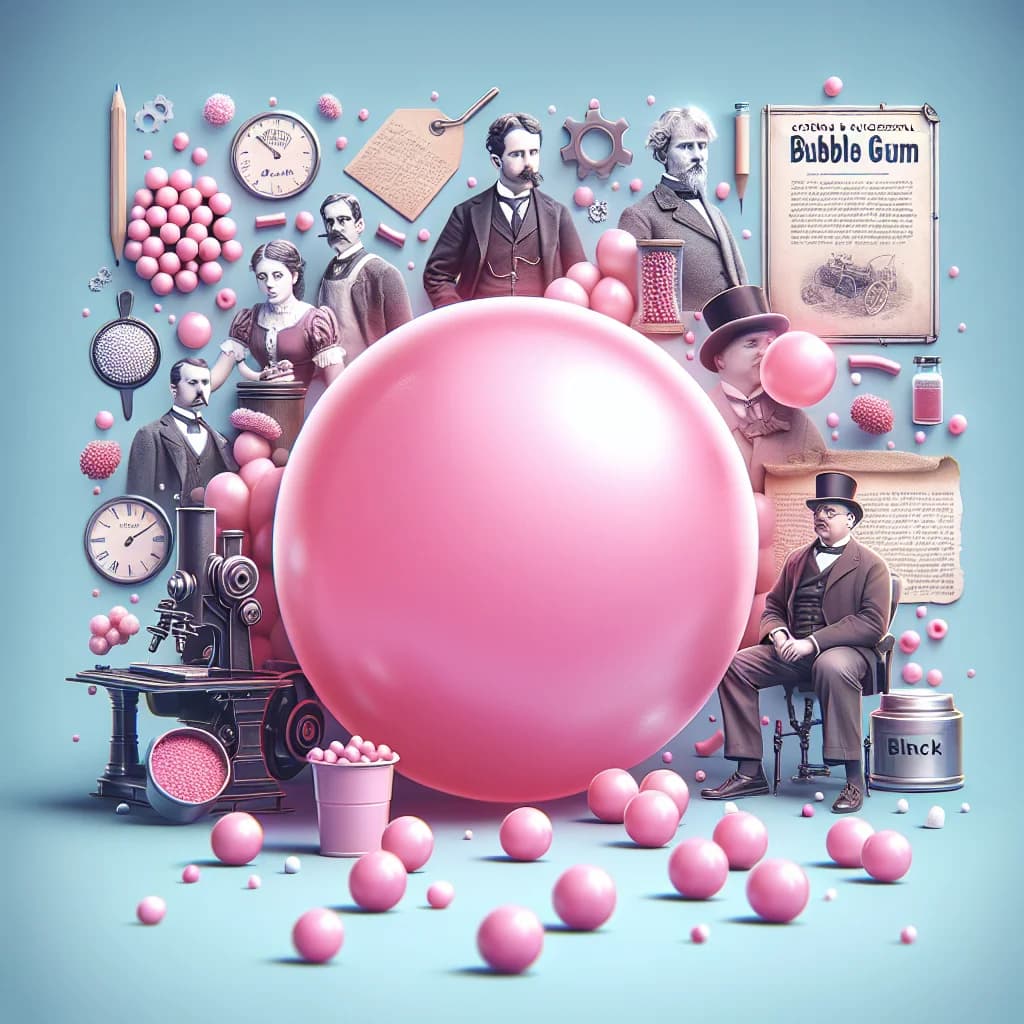
In 1928, Walter Diemer invented the first successful bubble gum at the Fleer factory. Because the gum base was an unappealing grey, he added the only food coloring he had available that day, which happened to be pink, forever cementing it as the iconic color for bubble gum.
The Rosy Accident: Why the First Successful Bubble Gum Was Pink Because It Was the Only Food Coloring Available
Have you ever stopped to wonder why, out of every color in the rainbow, "bubble gum pink" became an international standard? Whether it is a classic piece of Bazooka or a sphere from a vintage gumball machine, the association between the flavor and that specific neon hue is inseparable. While modern marketing teams spend millions of dollars on color psychology to influence consumer behavior, the most iconic color in the confectionery world wasn’t the result of a focus group. Instead, the first successful bubble gum was pink simply because it was the only food coloring available that day. This happy accident transformed a dingy gray substance into a global phenomenon, proving that sometimes, necessity—and a limited pantry—is the mother of invention.
The Accountant and the Quest for a Better Chew
To understand why bubble gum is pink, we must look back to the late 1920s at the Fleer Chewing Gum Company in Philadelphia. At the time, chewing gum was already a popular commodity, but "bubble gum"—a substance elastic enough to stretch without tearing—was a failed dream. Gilbert Mustin, the president of Fleer, had tried for years to create a functional bubble gum, but his formulas were either too sticky to be enjoyed or too brittle to hold air.
The breakthrough did not come from a master chemist, but from Walter Diemer, an accountant who worked for Fleer. In 1928, Diemer enjoyed tinkering with the company’s mixers during his spare time. According to historical accounts from the Fleer Corporation, Diemer spent months experimenting with different latex bases, eventually discovering a recipe that was less sticky and more resilient than any previous attempt. This new formula allowed a person to blow a bubble and, crucially, peel the remnants off their face easily if the bubble popped.
The Day of the "Dull Gray" Discovery
Once Diemer perfected the texture of his new concoction, he hit a visual snag. In its natural state, the successful batch of gum was a deeply unappealing, dingy gray color. Diemer knew that to sell the product to children, it needed to look appetizing and fun.
The legendary reason why the first successful bubble gum was pink simply because it was the only food coloring available that day is well-documented in confectionery history. When Diemer went to the supply cupboard to find a dye to brighten the mixture, he found that the inventory was nearly empty. The only bottle of food coloring left on the shelf was a bottle of pink dye. Because he was eager to test the batch and present it to his superiors, he used what was on hand.
Key Characteristics of Diemer’s Invention:
- Elasticity: Unlike regular chewing gum, it could stretch significantly without breaking.
- Non-Stick Properties: It was the first "bubble" formula that didn't require a solvent to remove from the skin.
- The Pink Hue: The vibrant color masked the unappealing gray of the base ingredients.
From Lab Accident to Global Branding
Diemer’s pink gum, eventually branded as "Dubble Bubble," was an immediate sensation. On its first day in a local grocery store, the gum sold out within hours. Diemer even spent time teaching salespeople how to blow bubbles so they could demonstrate the product to customers.
Because Dubble Bubble became the first commercially successful bubble gum, other manufacturers quickly followed suit. They assumed that pink was a deliberate choice based on consumer preference or that it signified a specific flavor profile. By the time competitors entered the market, the public had already subconsciously linked the color pink with the ability to blow bubbles. Consequently, pink became the industry standard not by design, but through the momentum of Diemer’s initial success.
Conclusion
The history of bubble gum serves as a fascinating reminder of how chance encounters can shape culture. The reason the first successful bubble gum was pink simply because it was the only food coloring available that day highlights the pragmatic origins of iconic branding. What began as a resourceful solution by an accountant in a Philadelphia factory evolved into a color synonymous with childhood joy and nostalgia. Today, while bubble gum comes in every imaginable shade and flavor, that original "Dubble Bubble pink" remains a testament to the power of a happy accident. Next time you unwrap a piece of pink gum, remember that you are holding a piece of history that was colored by luck.


