
Why was the graham cracker originally invented to suppress carnal urges
That innocent cracker in your pantry has a wild history: it was invented as a dietary weapon to crush sexual desire and promote a "pure" lifestyle.

Too Long; Didn't Read
TLDR: A 19th-century minister named Sylvester Graham invented the bland, whole-wheat cracker as part of a strict vegetarian diet designed to suppress sexual urges and promote a morally pure lifestyle.
The Unsavory Truth: Why Was the Graham Cracker Originally Invented to Suppress Carnal Urges?
Picture a gooey, fire-toasted s'more or the buttery crust of a decadent cheesecake. The humble graham cracker is the foundation for some of our most beloved sweet treats. But what if you learned that this simple snack was born not from a desire for indulgence, but from a crusade against it? The graham cracker has a surprisingly spicy history, rooted in a 19th-century health movement that aimed to stamp out lust, curb desire, and promote a life of pious purity. This blog post will uncover the fascinating story of why the graham cracker was originally invented to suppress carnal urges.
The Architect of Abstinence: Who Was Sylvester Graham?
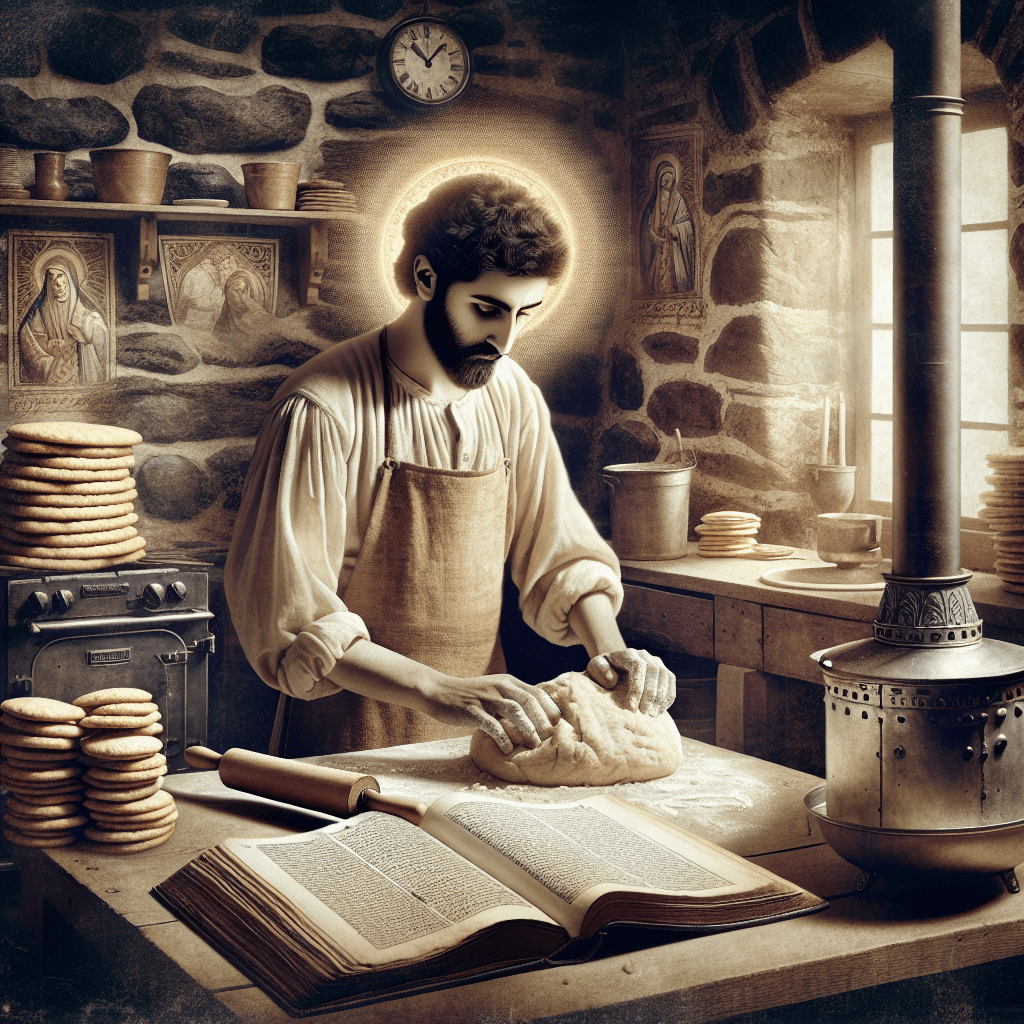
The story of the graham cracker begins with its namesake, Reverend Sylvester Graham (1794-1851). A Presbyterian minister and one of America’s first prominent health reformers, Graham was a charismatic and controversial figure. During the 1830s, he gained a massive following, known as "Grahamites," who subscribed to his strict lifestyle philosophy centered on diet, hygiene, and moral purity.
Graham was deeply concerned with what he saw as the moral and physical decay of society. He believed that many of society's ills—from cholera to insanity—were caused by an unhealthy lifestyle full of excess and stimulation. At the very top of his list of sins were gluttony, alcohol, and, most fervently, sexual desire. He preached that any stimulation of the palate with rich, flavorful foods directly led to the stimulation of carnal passions, particularly the "solitary vice" of masturbation, which he believed caused a host of ailments.
A Diet for Purity: The Grahamite Philosophy
To combat these perceived evils, Graham developed a rigid dietary and lifestyle regimen known as the "Graham Diet." This was not a weight-loss plan but a prescription for spiritual and physical health. The core tenets included:
- Vegetarianism: Graham argued that meat was inherently stimulating and putrefying.
- Temperance: He advocated for complete avoidance of alcohol, caffeine, and tobacco.
- Blandness is Best: Spices, condiments like ketchup and mustard, and refined sugars were forbidden as they were believed to artificially excite the senses and, by extension, the libido.
- Whole Grains: The cornerstone of his diet was coarse, whole-wheat flour, which he called "Graham flour." He railed against the commercially available white flour of his day, which was often bleached with chemical additives.
Graham's philosophy was simple: a plain, unexciting diet would lead to a plain, unexciting body, free from lustful temptations. By taming the stomach, he believed he could tame the soul.
The Original Anti-Aphrodisiac: Creating the Graham Cracker
From this philosophy, the original graham cracker was born. It was not the sweet, cinnamon-dusted rectangle we know today. Instead, the first "Graham wafer" was a key component of this anti-pleasure diet.
Made simply from unbleached, unsifted Graham flour, water, and perhaps a bit of salt, these crackers were incredibly bland, hard, and dry. Their lack of flavor was entirely intentional. They were designed to be a pure, wholesome source of nutrition that would nourish the body without inflaming the passions. By eating these plain biscuits, followers could fill their stomachs without experiencing the gustatory pleasure that Graham believed was the first step on the path to moral ruin.
The irony, of course, is that the modern graham cracker is everything Sylvester Graham preached against. Today's crackers, produced by companies like Nabisco, are made with refined flour and sweetened with honey, sugar, and molasses—all ingredients he would have condemned as dangerously stimulating.
From Pious Cracker to Decadent Treat
The journey of the graham cracker from a tool of moral hygiene to a pantry staple is a testament to changing cultural tastes. While Sylvester Graham's health movement eventually faded, his invention lived on. Entrepreneurs saw the commercial potential of the cracker, but they also understood that blandness doesn't sell. Over time, they added sweeteners and refined the texture, transforming the cracker from an instrument of self-denial into a base for pure indulgence.
So, the next time you crumble a graham cracker for a pie crust or sandwich one with chocolate and a marshmallow, take a moment to appreciate its bizarre origins. This beloved snack began its life not as a treat, but as a treatment—a bland antidote to the temptations of the flesh, created by a man who saw sin in every satisfying bite.


