
Why was the inventor of the Frisbee cremated and his ashes pressed into a commemorative flying disc
“Steady” Ed Headrick didn’t just invent the modern Frisbee—he chose to spend eternity soaring inside one. Discover the incredible true story of the man whose passion for his creation was so deep that he literally became part of the game.

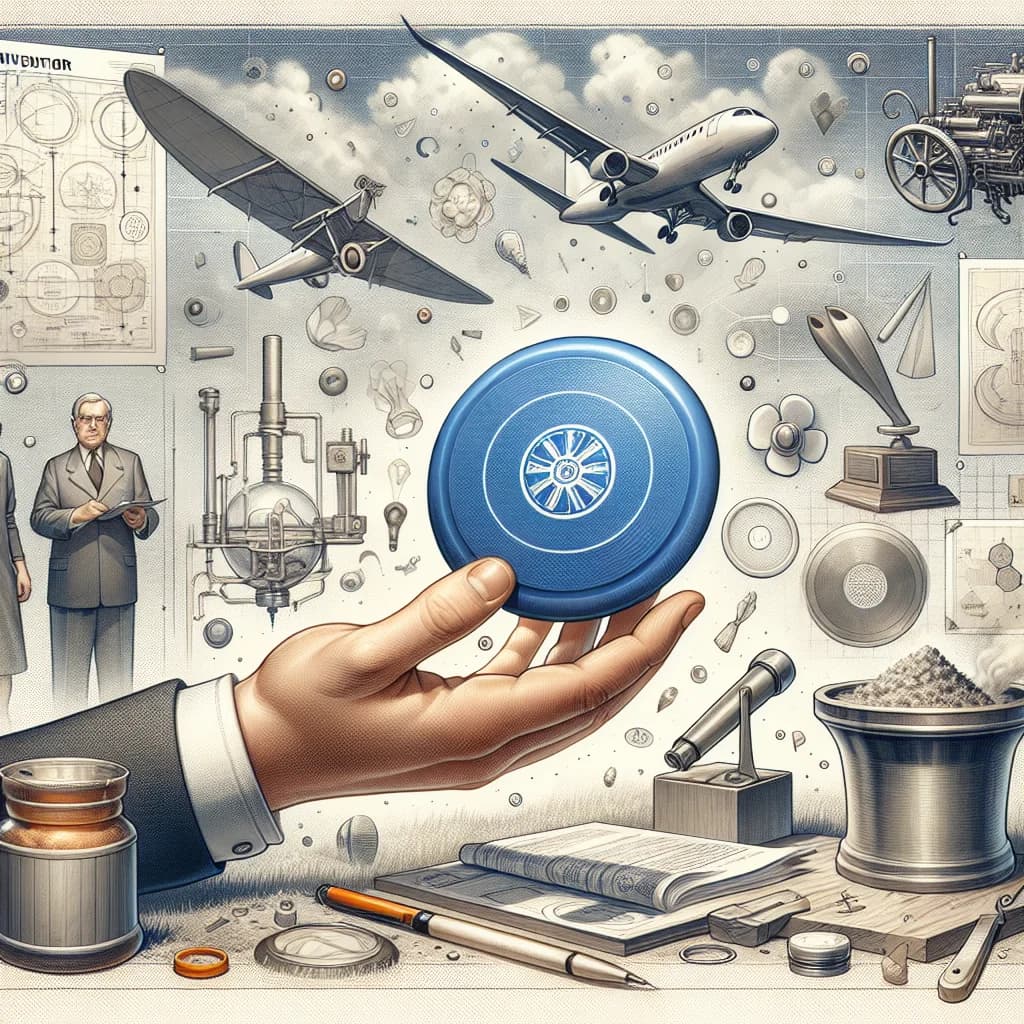
Too Long; Didn't Read
Walter Steady Ed Headrick, the man who perfected the Frisbee and invented disc golf, chose to have his ashes molded into commemorative discs to fulfill his wish of continuing to fly after death and to support a disc golf museum.
The Ultimate Flight: Why was the inventor of the Frisbee cremated and his ashes pressed into a commemorative flying disc?
Imagine a life so intertwined with a single invention that your final wish is to literally become one with your creation. For Walter Frederick "Fred" Morrison, the man credited with inventing the Frisbee, this wasn't just a whimsical thought—it was his final legacy. When Morrison passed away in 2010 at the age of 90, his family carried out a request that captured the imagination of the world: he was cremated, and his ashes were molded into a limited run of commemorative flying discs.
This unusual tribute was not a publicity stunt, but rather a profound statement about a man who dedicated his life to the joy of flight and play. In this post, we will explore the fascinating history of the Frisbee, the life of its creator, and the sentimental reasons behind his decision to take one last spin.
From Popcorn Lids to the Pluto Platter
To understand why Morrison chose such a unique burial, one must first understand his deep connection to the disc. The story began on a beach in California in 1937. Morrison and his future wife, Lucile, were tossing a popcorn tin lid back and forth when someone offered them twenty-five cents for it. Realizing that the lid only cost five cents, Morrison recognized a business opportunity.
The evolution of the Frisbee followed a distinct historical path:
- The Cake Pan Era: Morrison and Lucile began selling metal cake pans on the beach, which they called "Flyin-Saucers."
- Post-War Innovation: After serving as a pilot in WWII, Morrison used his knowledge of aerodynamics to design a better plastic version.
- The UFO Craze: In 1948, capitalizing on the national obsession with "flying saucers," Morrison released the plastic "Flyin-Saucer."
- The Pluto Platter: By 1955, he refined the design into what we now recognize as the modern Frisbee, adding the iconic "Rings of Saturn" to stabilize flight.
In 1957, Morrison sold the rights to the toy company Wham-O. It was Wham-O that eventually renamed the product "Frisbee," inspired by the "Frisbie Pie Company" tins that New England college students had been throwing for years.
The Man Behind the Disc: Fred Morrison’s Philosophy
Fred Morrison was more than just an entrepreneur; he was a dreamer who viewed the flying disc as a symbol of simple, wholesome fun. Throughout his life, he remained an avid enthusiast of the sport. He lived to see his invention evolve from a beach toy into a professional sport, including Ultimate Frisbee and Disc Golf.
According to interviews with his son, Walt, Morrison never grew tired of the product. He lived by the philosophy that life should be about finding something you love and sharing it with the world. His desire to be cremated and pressed into the plastic was the ultimate expression of this sentiment. He didn't want to be buried in the ground; he wanted to remain in the air, part of the activity that defined his existence.
The Final Request: Why Ashes in Plastic?
When Morrison passed away on February 9, 2010, the world learned of his specific final instructions. He requested that his ashes be mixed into the plastic formula for a special edition of the Frisbee.
There are several reasons why this decision resonated so deeply:
- Poetic Symmetry: Morrison spent his life perfecting the flight of the disc. By becoming part of it, he achieved a form of perpetual motion and play.
- A Family Tribute: His son, Walt, told the media at the time that the idea was "just what he wanted." It allowed the family to honor his playful spirit in a way that felt authentic to his personality.
- Legacy for the Community: The ashes were incorporated into a limited run of "Morrison Commemorative" discs. These were not sold for mass profit but were kept by family and close friends as a tangible piece of history.
Conclusion
The story of Fred Morrison and his final flight is a testament to a life lived with passion. By choosing to have his ashes pressed into a commemorative flying disc, Morrison ensured that his legacy would never be grounded. He transformed a simple household object into a global icon of recreation, and in the end, he became part of the very joy he created.
Ultimately, the reason Morrison was cremated and pressed into a Frisbee was to achieve a final, symbolic flight. It serves as a reminder that the things we create can define us, and sometimes, the best way to say goodbye is to keep the game going. For fans of the Frisbee, every flick of the wrist is now a small nod to the man who quite literally put his soul into his work.


