
Why was tomato ketchup originally sold in the 1830s as a medicine to treat indigestion
Long before it hit your fries, ketchup was a doctor-prescribed "miracle drug" sold in pill form to cure everything from indigestion to the flu. Discover the bizarre 1830s history of how this kitchen staple started its life in the medicine cabinet.

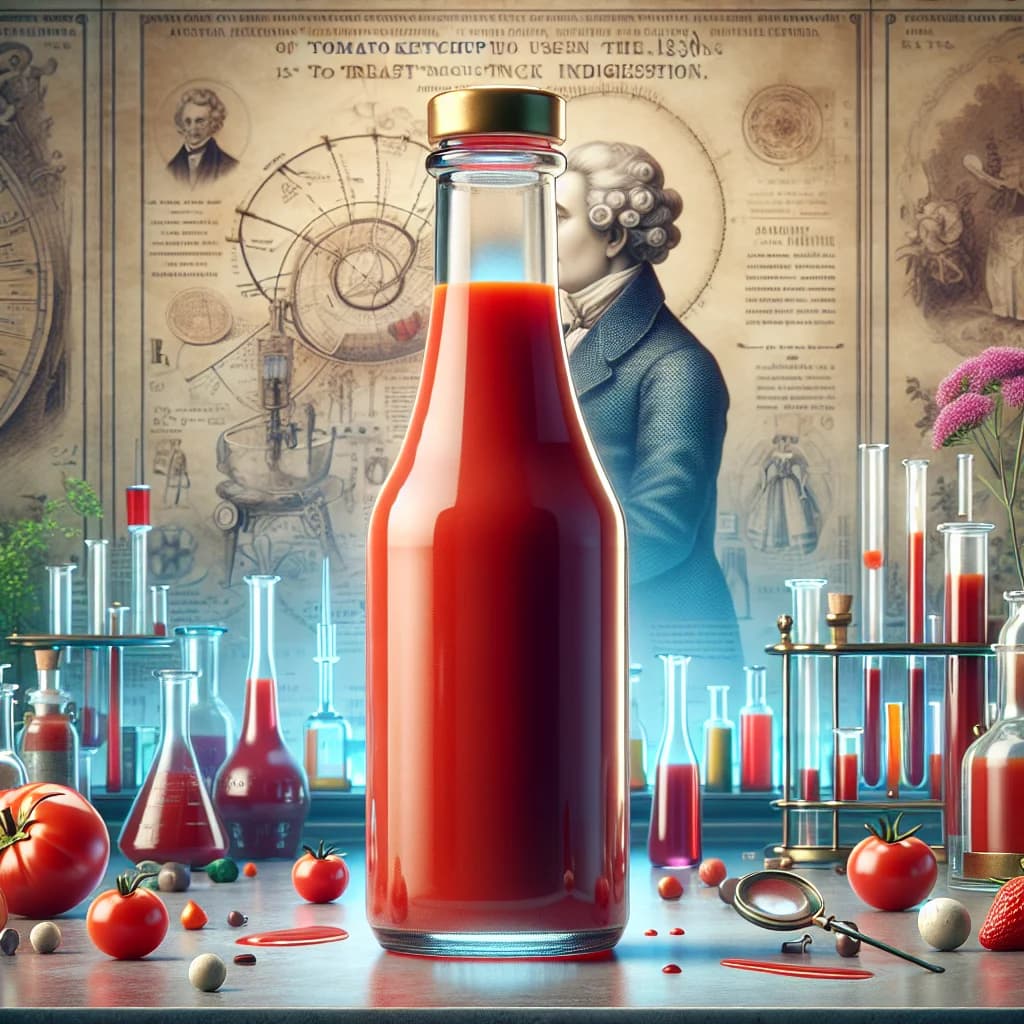
Too Long; Didn't Read
In the 1830s, Dr. John Cook Bennett marketed tomato ketchup as a medicinal cure for indigestion and diarrhea, selling it in pill form. This trend persisted until the 1850s when the medical claims were debunked, leading the product to transition from a pharmacy staple to the popular food condiment used today.
From Pharmacy to Pantry: Why was tomato ketchup originally sold in the 1830s as a medicine to treat indigestion?
Imagine walking into a local apothecary in the year 1835, complaining of a sluggish stomach and a bout of diarrhea. Instead of a modern antacid, the pharmacist hands you a bottle of concentrated tomato extract or a box of "tomato pills." While it sounds like a culinary prank, this was the legitimate medical reality of the early 19th century. For a brief but fascinating period in American history, ketchup was not a topping for fries, but a pharmaceutical powerhouse. This blog post explores the historical context, the key figures, and the scientific misconceptions that explain why was tomato ketchup originally sold in the 1830s as a medicine to treat indigestion.
The "Poison Apple" Myth and the Tomato’s Redemption
To understand why tomato ketchup became a medicine, one must first understand how much the tomato was loathed. For centuries, Europeans and early Americans referred to tomatoes as "poison apples." Because they belong to the nightshade family (Solanaceae), many believed they were toxic. Aristocrats who ate them off pewter plates often died of lead poisoning—the acidic tomato leached lead from the plates—but the fruit itself took the blame.
By the early 1800s, this perception began to shift. Scientists and eccentric health advocates started questioning the "poison" label. This set the stage for a medical revolution that would transform the tomato from a feared fruit into a supposed panacea for the digestive system.
Dr. John Cook Bennett: The Father of Medical Ketchup
The transition of the tomato from the garden to the medicine cabinet is largely credited to Dr. John Cook Bennett. In 1834, Bennett, the president of the medical department at Willoughby University in Ohio, declared that tomatoes were a "universal panacea" for a variety of ailments.
According to historical records of his lectures and publications, Bennett specifically claimed that tomatoes could successfully treat:
- Indigestion and Dyspepsia: He believed the acidity of the tomato aided the stomach's natural processes.
- Diarrhea: He argued it acted as a regulator for the bowels.
- Rheumatism: He suggested it had anti-inflammatory properties.
- Jaundice and Liver Complaints: He claimed it helped stimulate the secretion of bile.
Bennett’s assertions weren't just idle talk; he actively encouraged the public to consume tomatoes in the form of a concentrated sauce—ketchup—to reap these medicinal benefits.
The Commercialization of "Extract of Tomato"
Bennett’s ideas were quickly commercialized by an entrepreneur named Archibald Miles. Seeing a massive business opportunity, Miles collaborated with Bennett to produce "Dr. Miles' Compound Extract of Tomato." This wasn't the liquid sauce we know today, but rather a pill form of concentrated tomato juice.
The 1830s saw a massive "Tomato Pill War" as competitors flooded the market with their own versions of tomato-based medicines. The marketing of the era was aggressive, with advertisements claiming that tomato pills were far superior to the era's common (and often dangerous) treatments like calomel, a mercury-based laxative. By selling ketchup as a medicine, these pioneers provided a "natural" alternative to the harsh chemicals used in 19th-century medicine.
Why the Medical Empire Crumbled
The reason tomato ketchup is no longer in the medicine aisle is due to a combination of fraud and scientific progress. By the late 1830s, the market was saturated with "tomato pills" that contained no tomatoes at all. Investigative reporting and competing doctors discovered that many of these pills were simply breadcrumbs or dangerous laxatives marketed under the tomato name.
Furthermore, as the medical community began to demand more rigorous proof of efficacy, the wild claims of Dr. Bennett fell under scrutiny. By 1850, the "tomato medicine" craze had largely collapsed. However, the public had developed a taste for the tomato itself. People realized that while ketchup might not cure jaundice, it tasted excellent on food.
Conclusion
The story of why was tomato ketchup originally sold in the 1830s as a medicine to treat indigestion? serves as a colorful reminder of the strange evolution of our food system. What started as a desperate attempt to find a natural cure for stomach ailments eventually paved the way for the world’s most iconic condiment. In 1876, Henry Heinz stabilized the recipe using ripe tomatoes and vinegar, moving the product permanently from the pharmacy shelf to the kitchen table.
Next time you reach for a bottle of ketchup, remember that you aren't just adding flavor to your meal; you are participating in a culinary legacy that was once the height of medical science. While we now know it won't cure your indigestion, its journey from "poison apple" to "miracle pill" to "pantry staple" remains one of the most unique chapters in history.


