
Why were five parrots removed from a zoo for swearing at visitors
When a group of five potty-mouthed parrots began encouraging each other to swear at guests, zookeepers had to take swift action. Uncover the hilarious story behind the foul-mouthed flock and their scandalous downfall.

Too Long; Didn't Read
TLDR: Five parrots were quarantined together and taught each other to swear. When put on public display, they started cursing at visitors and were removed to protect children from the foul language.
Fowl Language: The Real Story of Why Five Parrots Were Removed from a Zoo for Swearing at Visitors
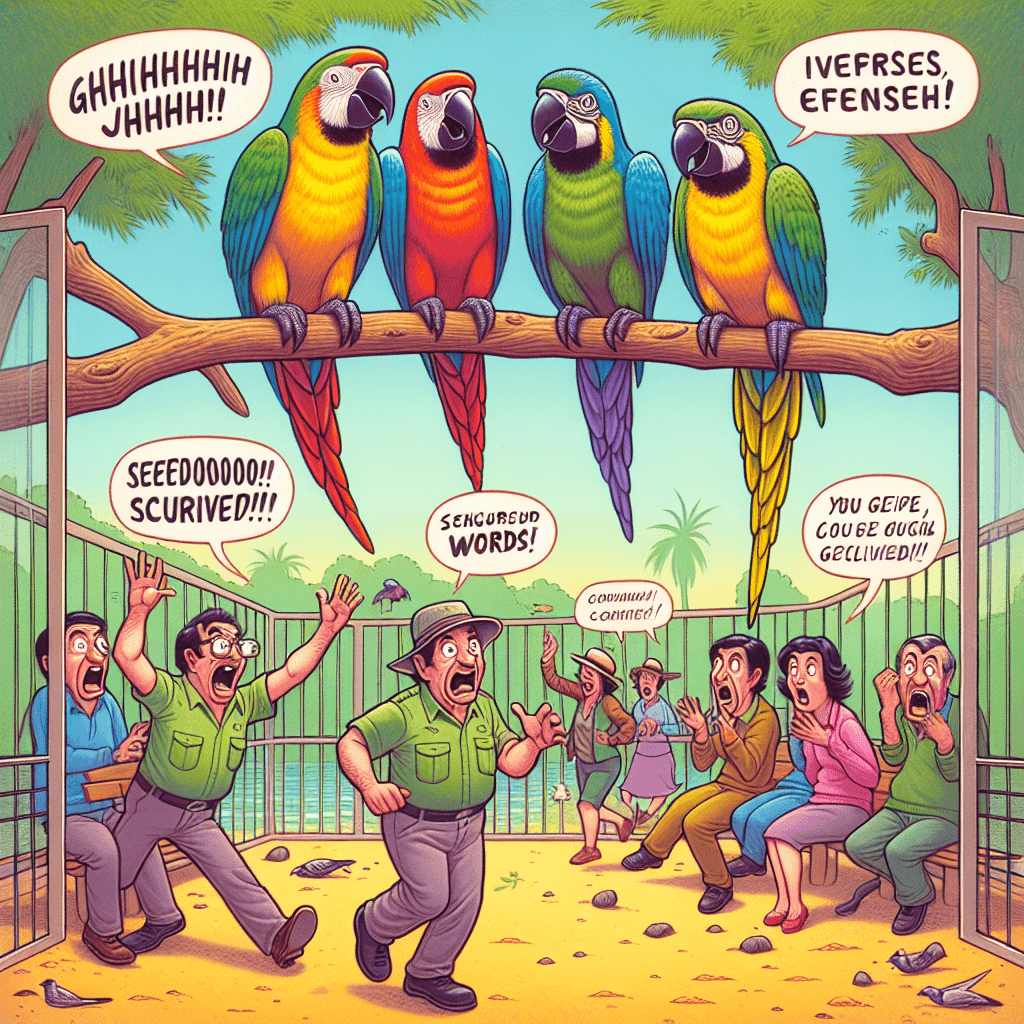
Imagine strolling through a wildlife park, enjoying the sights and sounds of nature, only to be met with a string of curse words from the parrot enclosure. While it might sound like a scene from a comedy sketch, this exact scenario unfolded at the Lincolnshire Wildlife Park in the UK, leading to a headline-grabbing decision. This post delves into the amusing and fascinating story of why five parrots were removed from a zoo for swearing at visitors, exploring how they learned their colorful vocabulary and the zoo's unique solution.
The Potty-Mouthed Perpetrators
In August 2020, the Lincolnshire Wildlife Park welcomed five new African grey parrots: Billy, Eric, Tyson, Jade, and Elsie. As is standard procedure, the birds were placed in quarantine together in the same room before being introduced to the main flock. African grey parrots are renowned for their intelligence and remarkable ability to mimic human speech. It was during this isolation period that the staff noticed something unusual—the parrots weren't just talking; they were swearing.
The zoo's chief executive, Steve Nichols, explained that the birds seemed to be egging each other on. If one parrot swore, another would laugh (a sound they also mimic), encouraging the first to do it again. This created a feedback loop, and soon, all five were proficient in launching expletives.
How Did the Parrots Learn to Swear?
Parrots don't understand the offensive nature of the words they mimic. They are simply repeating sounds they hear frequently, especially those that elicit a strong reaction from humans.
- Mimicry and Reinforcement: The parrots likely picked up the curse words from previous owners before being donated to the sanctuary.
- The Quarantine Effect: When housed together, they began sharing their unique vocabularies.
- Positive Feedback: The crucial factor was the reaction. A swear word followed by a gasp, a laugh, or any shocked response is interpreted by the parrot as positive reinforcement. They learn that making that specific sound gets them attention. In quarantine, the parrots were essentially teaching each other, with the laughter of other parrots (and probably some staff members) reinforcing the behavior.
When the park reopened to the public, the parrots continued their antics. While many adult visitors found it hilarious, the zoo had a responsibility to its younger guests.
Why Removal Was Necessary
The decision to remove the "Swearing Five" from the public-facing aviary was not a punishment but a practical measure. Steve Nichols noted that the park is a family attraction, and the constant stream of profanity, however amusing to some, was inappropriate for children. Within twenty minutes of being on display, there were reports of the parrots swearing at visitors.
The primary concern was the well-being of the park's guests. To maintain a family-friendly environment, the staff decided to temporarily remove the birds from the main walkway. They were moved "off-stage" to give them a chance to unlearn their bad habits and prevent any more visitors from getting an earful.
A Unique Rehabilitation Plan
So, what happened to Billy, Eric, Tyson, Jade, and Elsie? They were not banished from the zoo. Instead, the park devised a clever rehabilitation strategy. The five foul-mouthed birds were placed in an off-view enclosure with the park's other 250 parrots.
The hope was that the sheer volume of more traditional parrot sounds—like squawks, whistles, and calls—would overwhelm their swearing. By being surrounded by better-behaved role models, the zoo hopes the five will eventually adopt a more "natural" parrot vocabulary. The park humorously embraced the situation, with Nichols joking that if it goes the other way, they'll end up with 250 swearing parrots.
Conclusion
The story of the Lincolnshire Wildlife Park's swearing parrots is a perfect blend of humor and fascinating animal behavior. It highlights the incredible intelligence of African grey parrots and serves as a powerful reminder that these birds are constantly learning from their environment. Their removal wasn't an act of censorship but a responsible decision to protect the visitor experience. Ultimately, this unusual case provides a lighthearted yet insightful look into the challenges and unexpected joys of animal care, proving that sometimes, even in a zoo, you have to watch your language.


