
Why were Graham crackers originally invented in the 1830s to help suppress sexual desire
Before they were the soul of your favorite s’mores, Graham crackers were actually engineered as a 19th-century weapon to stifle "unholy" carnal urges. Discover the bizarre, puritanical history behind why this pantry staple was originally designed to be anything but sweet.

Too Long; Didn't Read
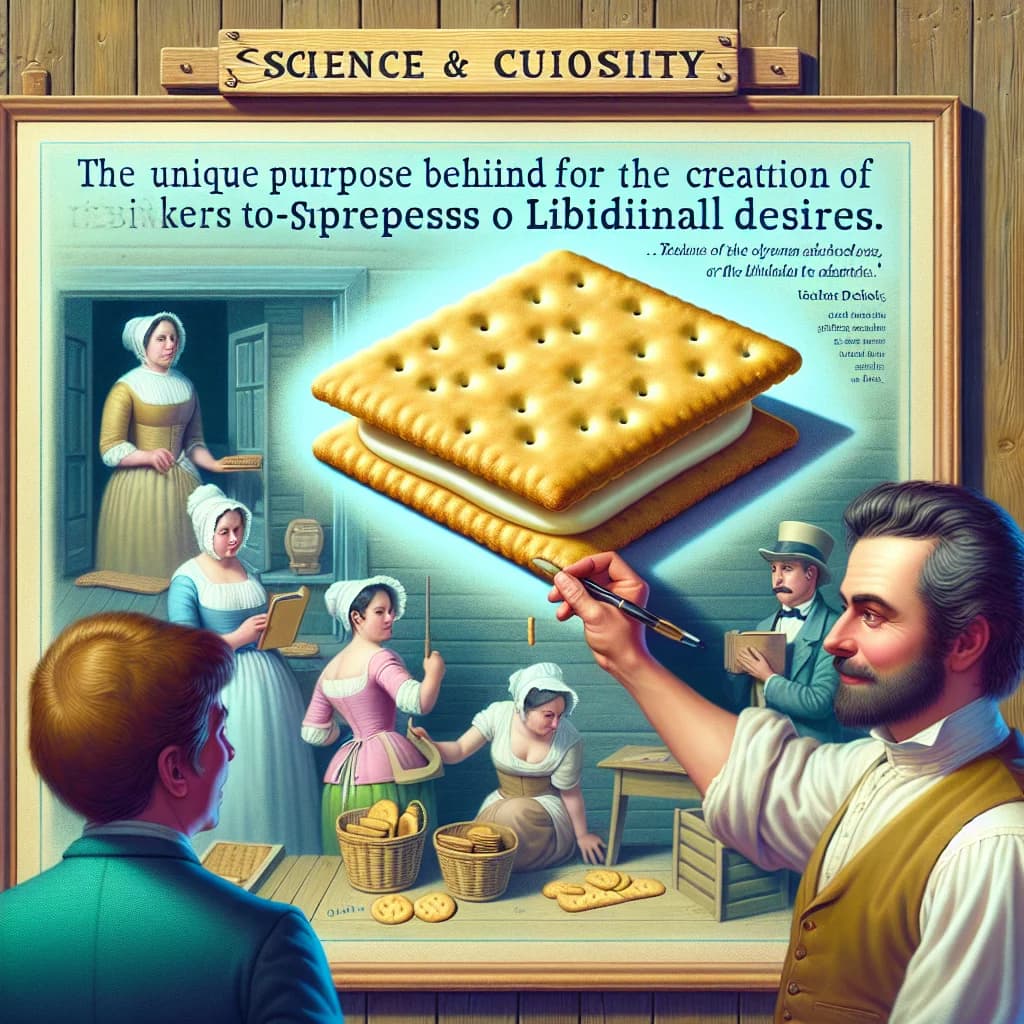
Sylvester Graham invented the Graham cracker in the 1830s as part of a bland, vegetarian diet designed to suppress sexual desire and prevent masturbation. He believed that rich, flavorful foods overstimulated the body and led to physical and moral decay, so he promoted these unrefined snacks to encourage temperance and purity.
The Surprising History of a Snack: Why Were Graham Crackers Originally Invented in the 1830s to Help Suppress Sexual Desire?
When you reach for a Graham cracker today, you likely associate it with the gooey sweetness of a campfire s’more or a crumbly cheesecake crust. However, the origin of this household staple is far removed from the world of decadent desserts. In fact, the Graham cracker began its life as a tool for moral reform and physical discipline.
Invented in 1829 and popularized throughout the 1830s, the original Graham cracker was a key component of a strict lifestyle designed to curb "carnal urges." This post explores the fascinating historical context behind Sylvester Graham’s creation and answers the peculiar question: why were Graham crackers originally invented in the 1830s to help suppress sexual desire? By examining the religious and health movements of the 19th century, we can understand how a simple biscuit became a weapon in the fight for moral purity.
The Man Behind the Cracker: Sylvester Graham
To understand the invention of the Graham cracker, one must first understand Sylvester Graham. A Presbyterian minister and dietary reformer, Graham was a leading figure in the American temperance movement. He believed that the physical and spiritual health of a person were inextricably linked. During the 1830s—a period marked by the religious fervor of the Second Great Awakening and terrifying cholera outbreaks—Graham gained a massive following known as "Grahamites."
Graham’s philosophy, often called "Grahamism," was rooted in the belief that modern living was corrupting the human body. He argued that the American diet, which was increasingly relying on processed white flour and heavy meats, was a primary cause of both physical illness and moral decay.
The Connection Between Diet and "Lust"
The central premise of Graham’s work was that certain foods acted as "stimulants" that excited the body’s nervous system. According to Graham’s writings on "moral physiology," an overstimulated body led directly to impure thoughts and "excessive" sexual desire. He was particularly concerned with the "vices" of masturbation and frequent sexual intercourse, which he believed caused everything from blindness to early death.
To combat these perceived dangers, Graham advocated for a diet that was:
- High in Fiber: Utilizing unrefined "Graham flour."
- Bland and Unseasoned: Avoiding spices, salt, and sugar.
- Strictly Vegetarian: Eliminating meat, which he considered a "heating" food that triggered lust.
- Free of Stimulants: Banning alcohol, coffee, and tea.
The original Graham cracker was designed to be the ultimate "anti-stimulant." It was a hard, dry, and completely unsweetened biscuit made from coarsely ground whole wheat. Graham believed that by consuming such a bland, fiber-rich food, individuals could calm their physical systems and effectively suppress their sexual appetites.
The Role of Graham Flour and Commercial Reform
One of the primary reasons Graham crackers were invented was as a protest against the industrialization of bread. In the 1830s, commercial bakers began using chemical additives like alum and chlorine to whiten bread. Graham was horrified by this, viewing white bread as nutritionally empty and spiritually damaging.
He insisted on using the entire wheat kernel—bran, germ, and endosperm—resulting in what we now call "Graham flour." By creating a portable, shelf-stable cracker made from this flour, he provided his followers with a convenient way to adhere to his strict dietary rules even when away from home. For Graham, the "purity" of the grain reflected the desired purity of the soul.
From Moral Reform to Modern Snack
It is a profound irony of history that the Graham cracker transitioned from a tool of abstinence to a key ingredient in sugary treats. Following Sylvester Graham’s death in 1851, the strictness of the Grahamite movement began to wane. By the late 19th and early 20th centuries, commercial bakeries realized that the public enjoyed the crunch of the cracker but disliked its blandness.
Companies like the National Biscuit Company (now Nabisco) began adding honey, molasses, and sugar to the recipe to make it more palatable to a general audience. This evolution completely inverted Graham’s original intent; what was once a bland deterrent for desire became a sweet indulgence.
Conclusion
The history of the Graham cracker offers a unique window into the social and religious anxieties of 19th-century America. Why were Graham crackers originally invented in the 1830s to help suppress sexual desire? They were born from Sylvester Graham’s conviction that a bland, high-fiber diet could tame the "baser instincts" of humanity and lead to a more virtuous life.
While modern science has debunked the idea that whole wheat can control one's libido, Graham’s legacy lives on in our pantry. He was a pioneer in recognizing the link between diet and health, even if his specific goals were focused more on moral purity than physical fitness. The next time you enjoy a s’more, remember that you are eating a snack that was once intended to be the ultimate symbol of self-denial.


