
Why were high-heeled shoes originally designed for Persian cavalrymen to help them secure their feet in stirrups
Before they were a symbol of high fashion, heels were a lethal military innovation designed to lock ancient warriors into their stirrups for a steady shot. Discover how the Persian cavalry used this surprising footwear to master the battlefield long before it ever hit the runway.

Too Long; Didn't Read
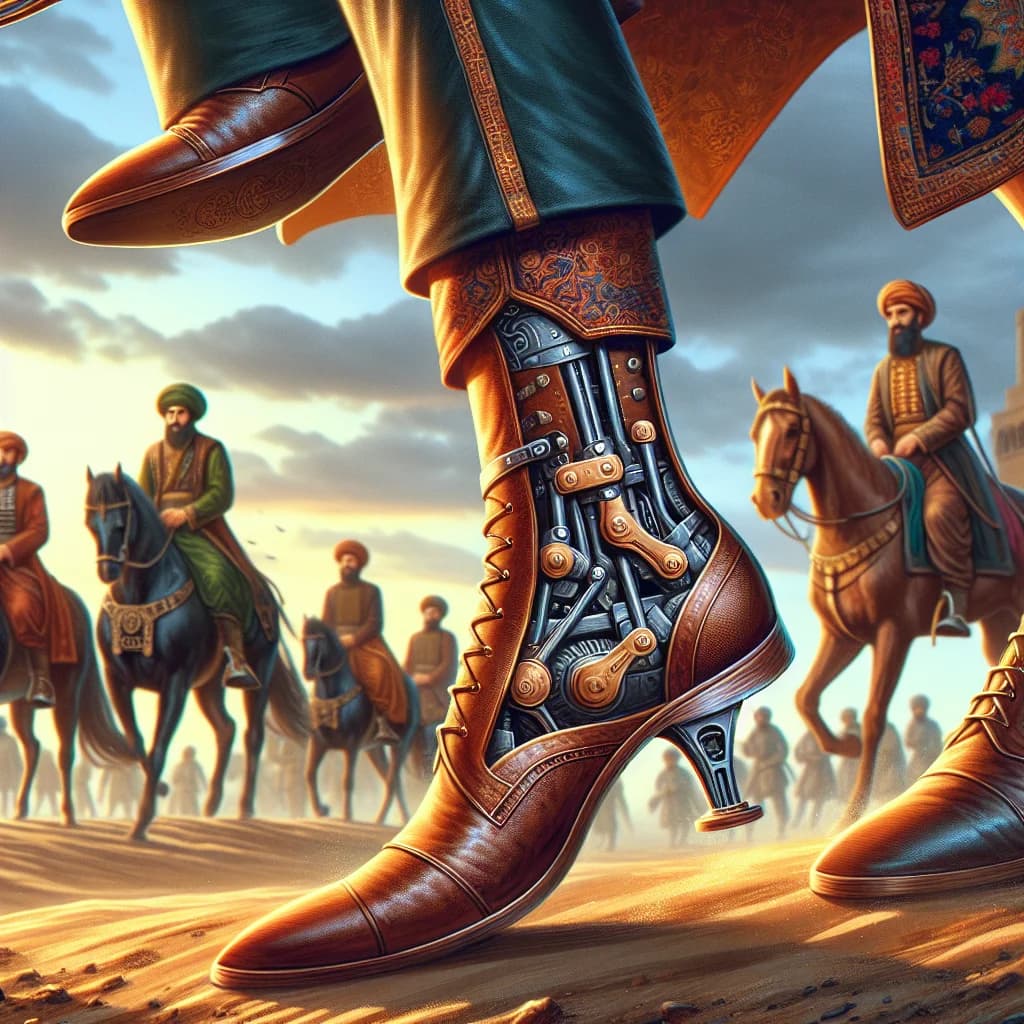
Originally designed for 10th-century Persian cavalry, high heels served a functional purpose by locking a soldier’s feet into his stirrups. This specialized footwear provided the necessary stability for mounted archers to stand up and shoot their bows with greater precision while riding.
From the Battlefield to the Catwalk: Why Were High-Heeled Shoes Originally Designed for Persian Cavalrymen to Help Them Secure Their Feet in Stirrups?
When you picture a pair of high heels, your mind likely drifts to modern fashion runways or formal galas. However, the history of this iconic footwear is far removed from the world of glamour. Long before they were a staple of feminine fashion, high heels were a rugged piece of military equipment. Surprisingly, the answer to "Why were high-heeled shoes originally designed for Persian cavalrymen to help them secure their feet in stirrups?" lies in the tactical demands of ancient warfare. These shoes were not built for walking; they were engineered for the saddle, providing the stability necessary for soldiers to dominate the battlefield.
This blog post explores the fascinating transition of the high heel from a functional Persian military tool to a European status symbol, detailing how a simple design choice revolutionized ancient combat.
The Persian Cavalry: Stability in the Saddle
In the 10th century, the Persian Empire boasted one of the most formidable cavalries in the world. For these soldiers, the horse was more than just transportation; it was a mobile platform for archery. To be effective, a cavalryman needed to be able to stand up in his stirrups while the horse was in motion. This allowed him to absorb the shock of the horse’s movement and aim his bow with lethal precision.
The high heel was the engineering solution to a critical problem: slippage. By adding a raised heel to their leather boots, Persian riders could:
- Secure the Foot: The heel "locked" into the stirrup, preventing the foot from sliding forward or out during intense maneuvers.
- Improve Accuracy: With a stable base, archers could stand upright and rotate their torsos to shoot in various directions without losing balance.
- Enhance Control: A secure grip on the stirrup allowed for better communication between the rider and the horse, essential during the chaos of combat.
According to historical research from the Bata Shoe Museum, these early heels were typically about an inch high and were strictly utilitarian, designed to ensure that a soldier’s most important tool—his feet—remained firmly in place.
How Persian Diplomacy Brought the Heel to Europe
The high heel remained a Middle Eastern specialty for centuries until a shift in international relations brought it to the West. At the end of the 16th century, Shah Abbas I, the ruler of Persia, sought to build alliances with European powers to help defeat the Ottoman Empire. He sent a wave of diplomatic missions to the courts of Russia, Germany, and Spain.
When these Persian diplomats arrived, their exotic attire—including their high-heeled boots—captivated the European aristocracy. To the European elite, the heel represented several desirable traits:
- Masculinity: It was associated with the prowess of the legendary Persian cavalry.
- Military Might: Wearing the heel suggested that the wearer was a horseman, an expensive and prestigious identity in the 1600s.
- Exoticism: Anything from the East was considered a height of luxury and sophistication.
By the early 17th century, the "Persian style" had been enthusiastically adopted by European men as a sign of virility and high social standing.
From Functional Tool to Aristocratic Status Symbol
As the heel moved from the battlefield to the palace floors of Europe, its design began to change. Since the aristocrats wearing them were rarely engaging in actual combat, the heels became taller and more decorative.
King Louis XIV of France became perhaps the most famous proponent of the high heel. Standing at only 5 feet 4 inches, he used heels to increase his stature. He eventually decreed that only members of his court were allowed to wear red-colored heels, turning a piece of cavalry equipment into a strict marker of class and political loyalty.
During this era, heels served a new "functional" purpose: they kept the wearer's feet above the mud and grime of city streets, further signaling that the person wearing them was wealthy enough to avoid manual labor.
The Gender Shift: Why the Heel Changed
It wasn't until the mid-17th century that women began adopting the high heel. At the time, there was a fashion trend where women would adopt masculine elements—such as smoking pipes, wearing hats, and donning heels—to assert their own status.
Following the Enlightenment in the late 18th century, a movement known as the "Great Male Renunciation" occurred. Men began to favor more practical, understated clothing, viewing high heels as "irrational" or "effeminate." By the turn of the 19th century, the heel had largely disappeared from men's wardrobes, completing its transformation into a cornerstone of women’s fashion.
Conclusion
Understanding why high-heeled shoes were originally designed for Persian cavalrymen to help them secure their feet in stirrups offers a unique lens into how fashion evolves from necessity. What began as a vital piece of military technology—allowing archers to maintain their balance on horseback—eventually crossed borders through diplomacy to become a symbol of power and, eventually, a hallmark of modern style.
The journey of the high heel serves as a reminder that the objects we wear today often carry a hidden history of innovation and cultural exchange. Whether on the battlefield or the red carpet, the heel remains one of history’s most enduring and transformative designs. To learn more about the evolution of historical fashion, consider visiting museum archives dedicated to the history of footwear and textiles.


