
Why were many historic windows bricked up to avoid a government tax on light and air
Discover the bizarre era of "daylight robbery" where enjoying natural light and fresh air came with a government price tag. Uncover the fascinating story behind the architectural scars that left thousands of historic homes bricked up and buried in the dark.

Too Long; Didn't Read
During the 18th and 19th centuries, Britain implemented a Window Tax that charged property owners based on the number of glass openings in their homes. To avoid high costs, many residents bricked up their windows, sacrificing ventilation and natural light. This controversial policy was eventually repealed in 1851 after being widely criticized for negatively impacting public health by effectively taxing essential light and air.
Daylight Robbery: Why Were Many Historic Windows Bricked Up to Avoid a Government Tax on Light and Air?
If you have ever wandered through the historic streets of London, Edinburgh, or Bath, you may have noticed something peculiar: grand Georgian townhouses with several window frames neatly filled in with brick instead of glass. While they might look like architectural mistakes or modern repairs, these "blind windows" are actually the physical scars of a centuries-old fiscal policy. These bricked-up spaces tell the story of a time when the British government literally placed a price on sunlight and fresh air.
The phenomenon was the direct result of the Window Tax, a property tax that significantly shaped European architecture and public health from the late 17th century through the mid-19th century. Understanding why these windows were blocked reveals a fascinating intersection of economic necessity, social class, and the unintended consequences of government overreach.
The Origins of the Window Tax
In 1696, under the reign of King William III, the English government faced a significant financial deficit. At the time, an income tax was considered a controversial intrusion into private life and was technically difficult to implement. The government needed a "proxy" for wealth—a way to estimate a person's income without actually looking at their bank account or ledger.
The solution was the Window Tax. The logic was simple: the wealthier a person was, the larger their house likely was, and therefore, the more windows it would have. By taxing the number of windows, the government created a progressive tax system that, in theory, targeted the rich while exempting the poor.
How the Tax Was Structured
The Window Tax was composed of two parts: a flat-rate house tax and a variable tax based on the number of windows. According to historical records from the UK Parliament, the thresholds changed over time to maximize revenue:
- Initial Thresholds: Originally, houses with fewer than 10 windows were exempt from the variable portion of the tax.
- Lowering the Bar: As the government required more funds for various wars, the threshold was lowered to seven windows in 1766 and eventually to six windows in 1808.
- Definition of a Window: Tax assessors were notoriously strict. Any opening in an exterior wall—even a small larder vent or a cellar slit—could be counted as a window and taxed accordingly.
Bricking Up the Light: A Strategic Defense
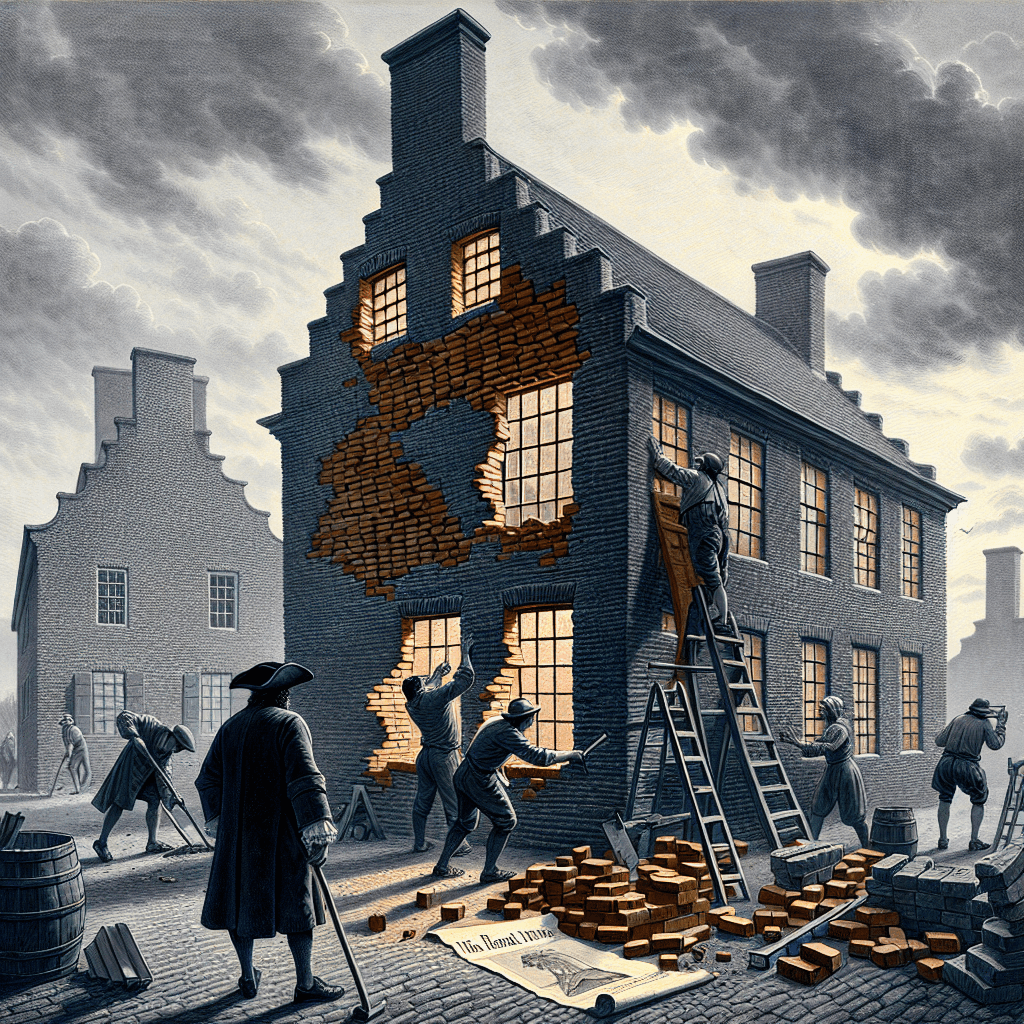
Property owners, faced with rising tax bills, sought immediate ways to reduce their financial burden. The most effective method was to simply reduce the number of windows in a building. Because the tax was assessed annually, bricking up a window could lead to significant long-term savings.
This led to several architectural adaptations:
- Retroactive Blocking: Owners of existing homes would hire masons to fill in windows with brick or stone, often matching the original facade to maintain some aesthetic symmetry.
- The Rise of "Blind Windows": Architects began designing new buildings with "blind windows"—recesses in the brickwork that looked like windows from a distance but contained no glass. This allowed the building to look balanced and grand without incurring additional taxes.
- Shared Windows: In some cases, builders tried to trick assessors by creating windows that straddled property lines or internal walls, though the government quickly passed legislation to close these loopholes.
The Social and Health Costs
While the tax was intended to target the wealthy, it disproportionately affected the urban poor. In cities, many low-income families lived in large tenement buildings. Although the inhabitants were poor, the building itself had many windows, meaning the landlord was hit with a massive tax bill. To save money, landlords frequently bricked up windows in these crowded dwellings.
The result was a public health crisis. By the mid-19th century, health reformers and medical professionals began to speak out against the "tax on light and air." According to reports from the Health of Towns Association in the 1840s, the lack of ventilation and sunlight in bricked-up tenements contributed to the spread of:
- Typhus and Cholera: These diseases thrived in dark, damp, and poorly ventilated environments.
- Rickets: The lack of sunlight contributed to vitamin D deficiencies among children in urban centers.
- General Mortality: Statistics from the era showed significantly higher mortality rates in houses with fewer windows per occupant.
It was during this era that the phrase "daylight robbery" gained popularity. While the term likely existed before, many used it to describe the government's perceived theft of the basic human right to sun and air.
The Repeal and Lasting Legacy
The outcry eventually became too loud to ignore. Prominent figures, including Charles Dickens, campaigned against the tax, arguing that it was a tax on the very health of the nation. In 1851, the Window Tax was finally repealed and replaced with a more modern inhabited house duty.
Today, the bricked-up windows of historic districts serve as a permanent reminder of this era. They are more than just architectural quirks; they are artifacts of a time when economic policy dictated the very way people lived, breathed, and saw the world. When you next spot a "blind window," you aren't just looking at old bricks—you are looking at a 200-year-old protest against a tax on the sky itself.
Conclusion
The history of bricked-up windows provides a stark example of how government policy can leave a physical mark on the world. By attempting to create a simple proxy for wealth, the British government inadvertently incentivized the creation of dark, unhealthy living spaces and permanently altered the European architectural landscape. These historic facades remind us that every tax policy carries unintended consequences that can last for centuries. As we preserve these historic buildings, we also preserve the lesson they teach: that light and air are essential commodities that should never have been priced out of reach. For those interested in architectural history, these "blind windows" offer a unique window into the past—even if they no longer let in the light.


