
Why were pineapples once so expensive that wealthy people would rent them for the night to show off
Imagine paying thousands of dollars just to carry a fruit to a party and never even taking a bite. Step back in time to an era where the pineapple was the world’s most expensive status symbol—so pricey that the elite actually rented them just to show off.

Too Long; Didn't Read
Pineapples were once symbols of immense wealth because they were nearly impossible to grow or transport to Europe without rotting. Due to their extreme cost—equivalent to thousands of dollars today—socialites rented them for parties to display as status symbols rather than eating them.
The Crown Jewel of Fruits: Why Were Pineapples Once So Expensive That Wealthy People Would Rent Them for the Night to Show Off?
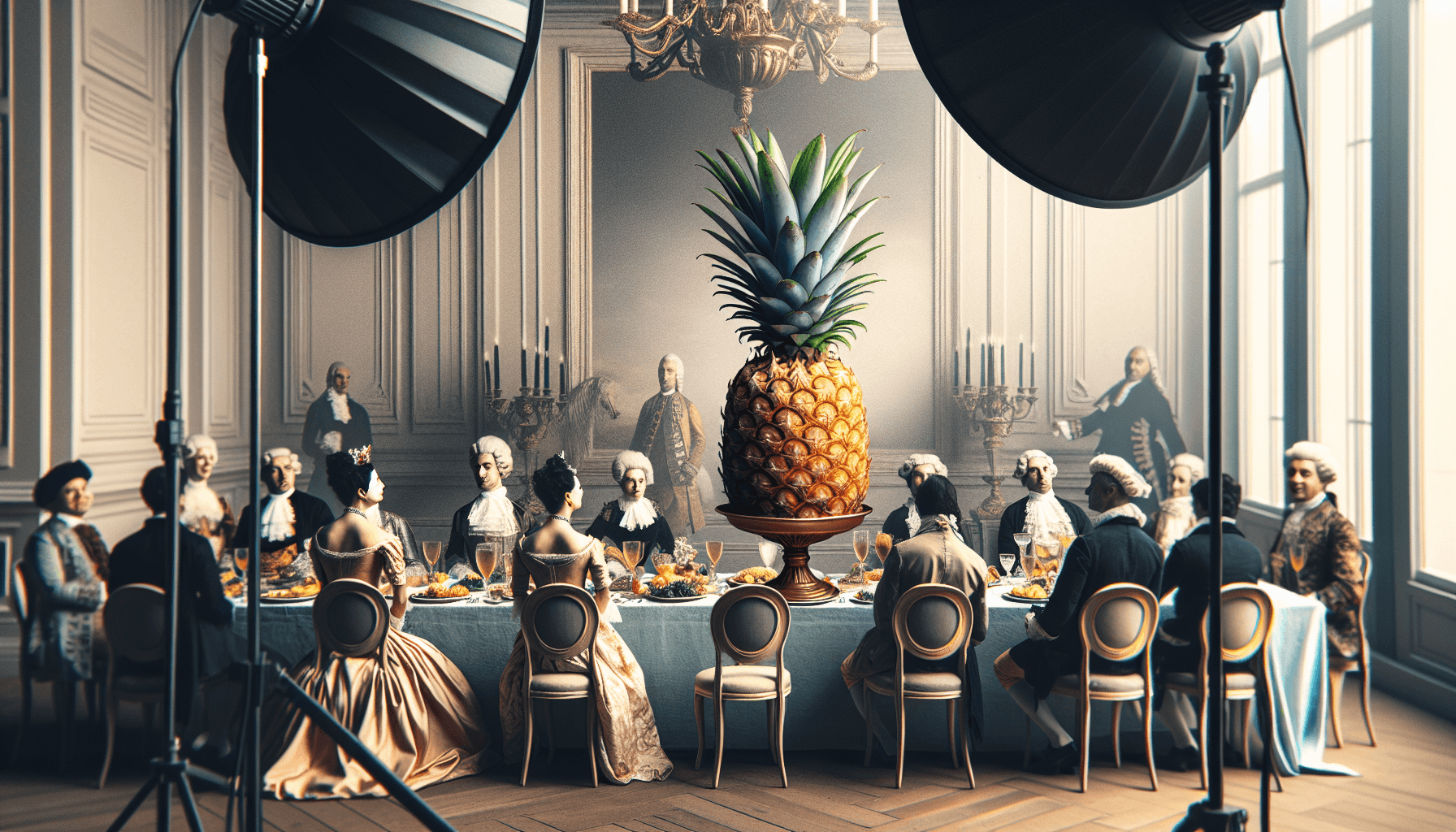
Imagine walking into a high-society gala in 18th-century London and seeing the evening's most prized centerpiece: a single, prickly, tropical fruit. Today, you can find a pineapple for a few dollars at any local grocery store, but three centuries ago, this fruit was the ultimate symbol of opulence and power. It was so unattainable for the average person that a single fruit could cost the equivalent of $8,000 in modern currency. This scarcity led to a bizarre social phenomenon where the elite would actually rent pineapples by the hour. This blog post explores the fascinating historical factors—from logistical nightmares to botanical challenges—that explains why were pineapples once so expensive that wealthy people would rent them for the night to show off.
The Perils of the High Seas: A Logistical Nightmare
In the 17th and 18th centuries, pineapples were primarily grown in the Caribbean and South America. For a pineapple to reach Europe, it had to survive a grueling transatlantic voyage that could last several months. Because refrigeration did not exist, the vast majority of these fruits would rot long before the ship reached port.
The few pineapples that survived the journey became instant treasures. According to historical accounts from the era, the arrival of a fresh pineapple in London or Paris was a significant event, often reported to the monarch. Because supply was so low and the "failure rate" of shipping was so high, the cost was driven to astronomical levels. For a wealthy merchant or aristocrat, owning a pineapple wasn't just about having a snack; it was about proving you had the resources to secure a miracle of logistics.
The "Pinery": The World’s Most Expensive Hobby
Since shipping was unreliable, the European elite attempted to grow pineapples at home. However, the temperate European climate is the opposite of the tropical environment pineapples require. To solve this, the ultra-wealthy built "pineries"—specialized glasshouses equipped with sophisticated heating systems.
Cultivating a "King Pine" was an immense undertaking:
- Constant Heat: Pineries required massive amounts of coal to maintain tropical temperatures year-round.
- Manual Labor: Gardeners had to tend to the plants 24/7, often using fermenting tanbark or horse manure to create a steady "bottom heat" for the roots.
- Time: A single pineapple can take up to two years to mature.
The sheer cost of the glass, the fuel, and the specialized labor meant that only the wealthiest members of the aristocracy could afford to grow them. A homegrown pineapple was a testament to a man’s mastery over nature itself.
The Ultimate Status Symbol: Renting the "King Pine"
The pineapple became so synonymous with wealth that it earned the nickname "The King of Fruits." It featured prominently in royal portraiture, most famously in a painting of King Charles II being presented with the first pineapple grown in England.
Because buying a pineapple could cost as much as a new carriage, a secondary market emerged for the "aspiring" upper class. Shopkeepers and specialized fruit retailers began renting out pineapples by the night.
- The Show-Off: A host would rent a pineapple to display as a centerpiece at a dinner party.
- The Rule: Guests were strictly forbidden from eating the fruit. It was there purely for visual prestige.
- The Return: The next morning, the pineapple would be returned to the shop, where it might be rented to another family until it finally began to rot, at which point it was finally sold for consumption at a lower price.
From Luxury to Lunchbox: The Shift to Mass Production
The era of the $8,000 pineapple eventually came to an end due to the Industrial Revolution and advances in transportation. By the mid-19th century, faster steamships and improved shipping routes allowed for larger quantities of fruit to reach Europe and North America before spoiling.
Furthermore, the establishment of massive commercial plantations in Hawaii and the development of the canning process by entrepreneurs like James Dole democratized the fruit. What was once a rented centerpiece for kings became a staple of the middle-class pantry.
Conclusion
The history of the pineapple serves as a striking example of how scarcity and difficulty of access can transform a simple food item into a powerful status symbol. Why were pineapples once so expensive that wealthy people would rent them for the night to show off? It was a perfect storm of geographical isolation, botanical requirements, and the human desire for social signaling. While we now view the pineapple as a common tropical treat, its history as the "crown jewel" of the dinner table reminds us of a time when luxury was measured by one's ability to defy the limits of nature. Next time you see a pineapple on sale, remember that 300 years ago, that same fruit would have made you the talk of the town.


