
Why were some historical Vermont houses built with a witch window tilted at a sharp diagonal angle
Are these peculiar, sideways-slanting windows a supernatural defense against broomstick-riding spirits or a stroke of clever architectural ingenuity? Discover the eerie legends and surprising practicalities behind Vermont’s most mysterious home feature: the "witch window."

Too Long; Didn't Read
Witch windows are diagonal windows found in 19th-century Vermont homes, primarily designed to provide light and ventilation in cramped gable ends where a standard window could not fit. Although folklore suggests the tilted angle prevents witches on broomsticks from entering, the architectural choice was a practical solution for maximizing space and reusing existing window sashes during home expansions.
Slanted Panes and Superstition: Why were some historical Vermont houses built with a witch window tilted at a sharp diagonal angle?
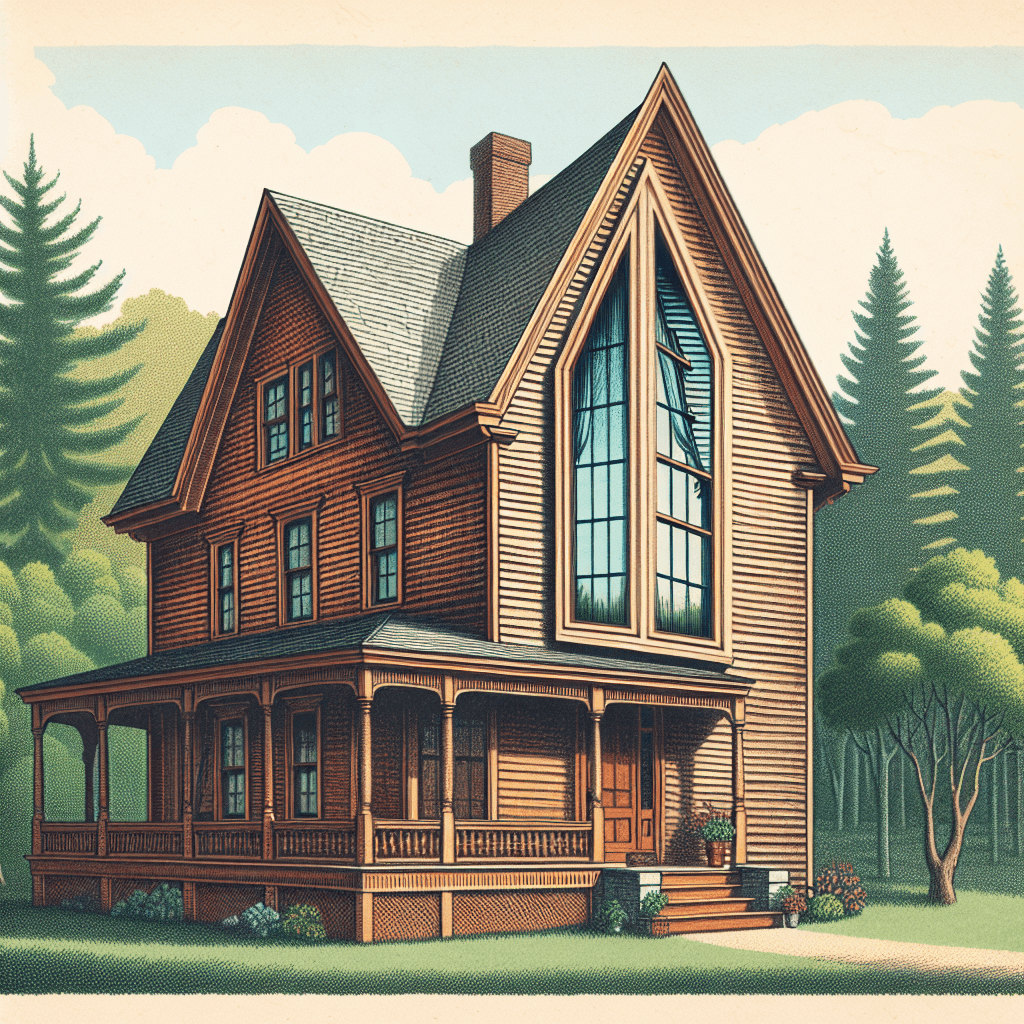
If you find yourself driving through the scenic backroads of rural Vermont, you may notice a peculiar architectural quirk that seems to defy the laws of standard construction. Nestled into the gable ends of 19th-century farmhouses are windows installed at a startling 45-degree angle, their frames running parallel to the roofline. These are known as "witch windows," and they are almost entirely unique to the Green Mountain State. But why were some historical Vermont houses built with a witch window tilted at a sharp diagonal angle? While local folklore offers spooky explanations involving broomsticks and spirits, the reality is a fascinating blend of Yankee ingenuity, structural necessity, and the evolution of the American farmhouse. This post will explore the myths and the practical truths behind this iconic Vermont feature.
The Legends Behind the Name
The term "witch window" is the most popular name for these diagonal apertures, and it stems from a long-standing New England superstition. To understand the name, one must look at the folklore of the 19th century:
- The Broomstick Barrier: According to local legend, a witch on a broomstick cannot fly through a window that is tilted at an angle. By installing the glass diagonally, homeowners believed they could protect their upper floors from supernatural intruders.
- The Coffin Window: Another grim nickname for these openings is the "coffin window." The myth suggests that because the staircases in old Vermont farmhouses were often too narrow and winding to navigate with a casket, the slanted window provided a wide enough exit to slide a coffin out from the second floor.
While these stories add a layer of mystique to Vermont’s history, there is little historical evidence to suggest that 19th-century builders actually prioritized "witch-proofing" their homes. Furthermore, sliding a heavy casket through a narrow, second-story slanted window would be far more dangerous than simply using the front door.
The Practical Reality: Structural Necessity
The true answer to why these windows exist is rooted in practical architecture. During the 19th century, Vermont farmhouses often grew through a process known as "connected architecture." As families expanded or specialized in different types of farming, they would add new wings—often a kitchen or a woodshed—to the side of the original house.
Maximizing Limited Wall Space
When a new wing was added to a gable-end house, the roofline of the new addition often met the side wall of the original structure. This created a problem: there was very little wall space left on the second floor of the original house. A standard, vertically oriented window would not fit in the narrow, triangular sliver of wall remaining between the new roof and the original eave.
Reusing Materials
Vermont's early residents were famous for their "waste not, want not" attitude. Rather than commissioning a custom, tiny window to fit the odd space, homeowners would simply take a standard, double-hung sash window and rotate it 45 degrees. This allowed the long side of the window to sit parallel to the slope of the roof, maximizing the amount of glass that could fit into the restricted area.
Light, Ventilation, and Ingenuity
Beyond just fitting into a tight space, the tilted window served two critical functional roles in an era before electricity and air conditioning:
- Natural Light: In the 1800s, glass was expensive and light was a precious commodity. By tilting a full-sized window into the gable, homeowners could flood the upper hallways or bedrooms with sunlight that would otherwise be blocked by the new addition.
- Airflow: Vermont summers can be humid. Placing a functional, operable window at the highest point of the wall allowed rising hot air to escape, providing much-needed cross-ventilation in the cramped upper quarters of the farmhouse.
According to architectural historians, this solution was an elegant display of "vernacular architecture"—building based on local needs and available materials rather than formal architectural plans.
Conclusion
The mystery of why some historical Vermont houses were built with a witch window tilted at a sharp diagonal angle reveals a lot about the character of early New Englanders. While the folkloric tales of broomsticks and coffins capture our imagination and keep local legends alive, the reality is a testament to the practical, resourceful nature of Vermont’s early builders. These windows represent a clever solution to the challenges of home expansion, ensuring that even as houses grew, they remained bright and ventilated. Today, the witch window remains a cherished symbol of Vermont’s unique cultural landscape, reminding us that sometimes the most unusual designs are born from the simplest needs. If you ever have the chance to visit the Vermont countryside, keep an eye on the rooflines—you might just spot a piece of history hiding at a 45-degree angle.


