
Why were the best false teeth in the 1800s made from the teeth of dead soldiers
In the 1800s, the most sought-after smiles weren't made of ivory or porcelain—they were harvested directly from the mouths of fallen soldiers on the battlefield.

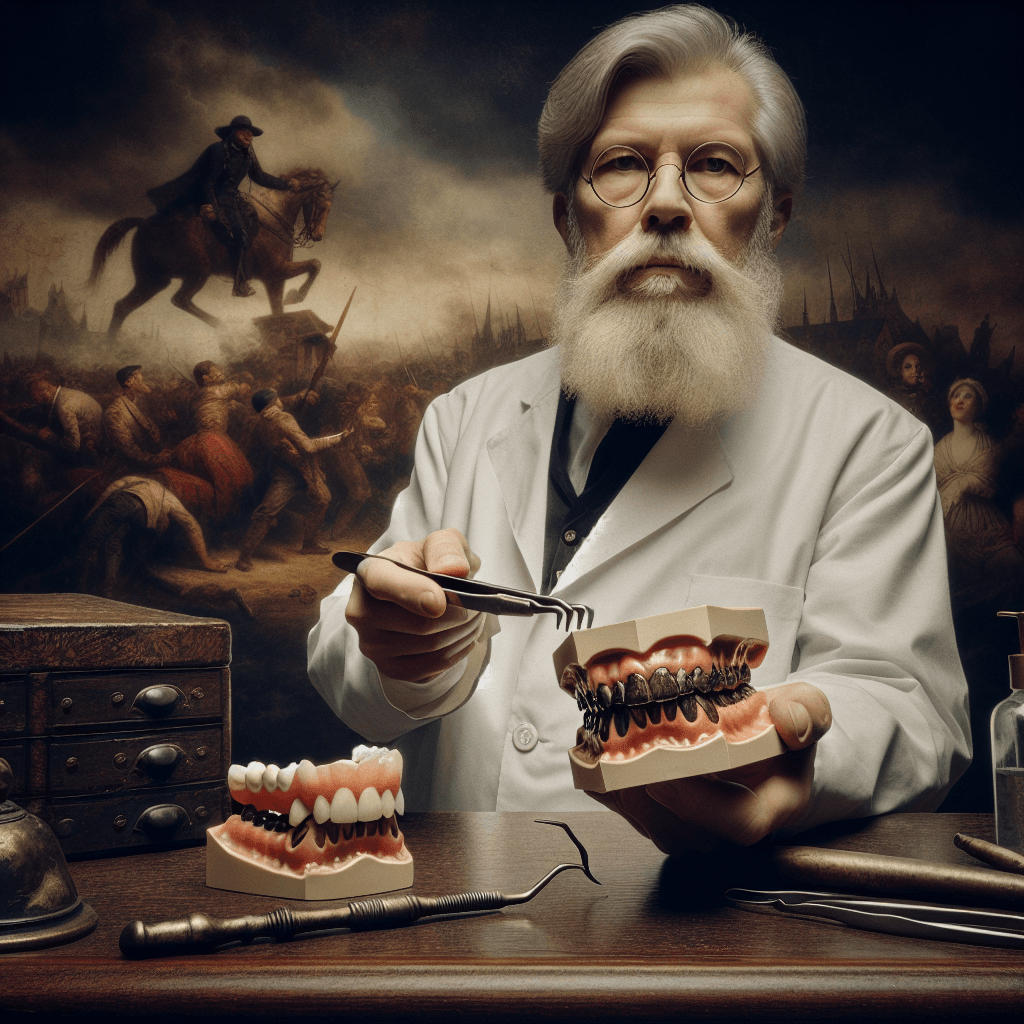
Too Long; Didn't Read
TLDR: In the 1800s, real human teeth were the best material for dentures. Major battles like Waterloo provided a massive and fresh supply of strong, healthy teeth from young soldiers, which were far superior to brittle porcelain, animal ivory, or teeth taken from old graves.
Waterloo Smiles: Why Were the Best False Teeth in the 1800s Made from the Teeth of Dead Soldiers?
Imagine a lavish ballroom in 1820s London. A wealthy socialite flashes a brilliant, perfectly aligned smile. While it looks remarkably natural, the secret behind it is far from glamorous. The pristine teeth set in her dentures were likely harvested just a few years prior from the mouth of a young soldier who fell on a bloody European battlefield. This macabre reality was the peak of dental technology in the 19th century. This post will delve into the grim yet fascinating history of "Waterloo Teeth" and explore why the dead of war provided the living with their best smiles.
The Toothless Epidemic and the Failure of Early Dentures
The 18th and 19th centuries were a terrible time for teeth. The soaring popularity of sugar among the wealthy led to rampant tooth decay, a condition often called the "sugar plague." With no effective dental care, tooth loss was an almost inevitable part of life for rich and poor alike. The demand for false teeth was enormous, not just for aesthetics but for basic functions like eating and speaking.
Early solutions, however, were notoriously poor. Dentures were carved from materials like:
- Ivory (from hippos or walruses): This was a common choice, but it was porous, staining easily and rotting quickly in the mouth, leading to a foul smell and taste.
- Animal Bone: Cheaper but even less durable than ivory.
- Wood: A desperate, uncomfortable, and short-lived solution.
These materials fit poorly, caused sores, and looked unnatural. The wealthy yearned for a better option, and dentists discovered that nothing could beat the real thing.
The Superiority of Human Teeth
The ultimate material for creating high-quality dentures was, quite simply, other human teeth. Unlike ivory, real human enamel was hard, durable, and resistant to the staining and decay that plagued other materials. Dentists could purchase individual human teeth and rivet them to a carved ivory or gold base, creating a set of dentures that was far superior in both appearance and function. They looked natural, felt better, and lasted significantly longer.
This created a gruesome new market. The primary sources for these teeth were initially grave robbers, who plundered fresh burials, and executioners, who had access to the bodies of criminals. However, these sources were unreliable and couldn't keep up with the soaring demand. Dentists and their suppliers needed a new, plentiful source of high-quality teeth.
The Battlefield: A Grim Harvest
The Napoleonic Wars, which raged across Europe in the early 1800s, provided a horrific but practical solution. Battlefields were littered with tens of thousands of casualties, most of whom were young, healthy men. Their teeth were exactly what the market desired: strong, intact, and relatively free of decay.
After a major battle, scavengers, including surviving soldiers, local peasants, and professional "tooth hunters," would descend upon the field. Armed with pliers, they would pull the front teeth from the dead. These teeth were a valuable commodity. They were cleaned, sorted by size and shade, and packed into barrels to be shipped to dental depots in major cities like London and Paris. Dentists would then purchase them to craft bespoke, high-end dentures for their wealthy clients.
The practice became so widespread after the Battle of Waterloo in 1815, where over 50,000 men were killed or wounded, that dentures made from soldiers' teeth became generically known as "Waterloo Teeth." This term was used for decades, even if the teeth came from other battlefields like those of the American Civil War.
Conclusion
The story of Waterloo Teeth is a stark reminder of the intersection between human ingenuity, societal demand, and the grim realities of history. In an era before porcelain or acrylics, the quest for a perfect smile drove a macabre trade that turned battlefields into dental goldmines. The convergence of rampant tooth decay, the limitations of early dental materials, and the sheer scale of 19th-century warfare created a unique, if unsettling, solution. So, the next time you see a historical portrait of a figure with an unnervingly perfect smile, you'll know the potential cost of their pearly whites—a cost paid by a fallen soldier on a distant field of battle.


