
Why are cashews never sold in their shells because the hulls contain a caustic, skin-burning oil
Behind every creamy cashew lies a caustic, skin-burning secret so dangerous that the nuts are legally required to be processed before they ever reach your pantry. Discover the "toxic" reason you’ll never find this popular snack still in its shell.

Too Long; Didn't Read
Cashews are never sold in shells because their hulls contain urushiol, the same toxic oil found in poison ivy. This caustic substance causes severe skin irritation and chemical burns, requiring industrial heat processing to safely remove the shells and neutralize the toxins before the nuts reach consumers.
The Toxic Secret: Why Are Cashews Never Sold in Their Shells Because the Hulls Contain a Caustic, Skin-Burning Oil?
When you browse the snack aisle, you will find peanuts, pistachios, and walnuts sold in their natural casings. Yet, you will never find a cashew in its shell. Have you ever wondered why this creamy, popular nut is always sold pre-shelled? The answer isn’t a matter of convenience or branding; it is a matter of chemistry and safety. Unlike its counterparts, the cashew is protected by a shell that contains a potent, caustic substance capable of causing severe chemical burns.
The primary reason why are cashews never sold in their shells because the hulls contain a caustic, skin-burning oil is the presence of an organic toxin called urushiol. This is the same allergenic oil found in poison ivy, poison oak, and poison sumac. Understanding the biology and processing of the cashew reveals a fascinating, albeit hazardous, journey from the tree to your table.
The Chemistry of the Cashew Shell
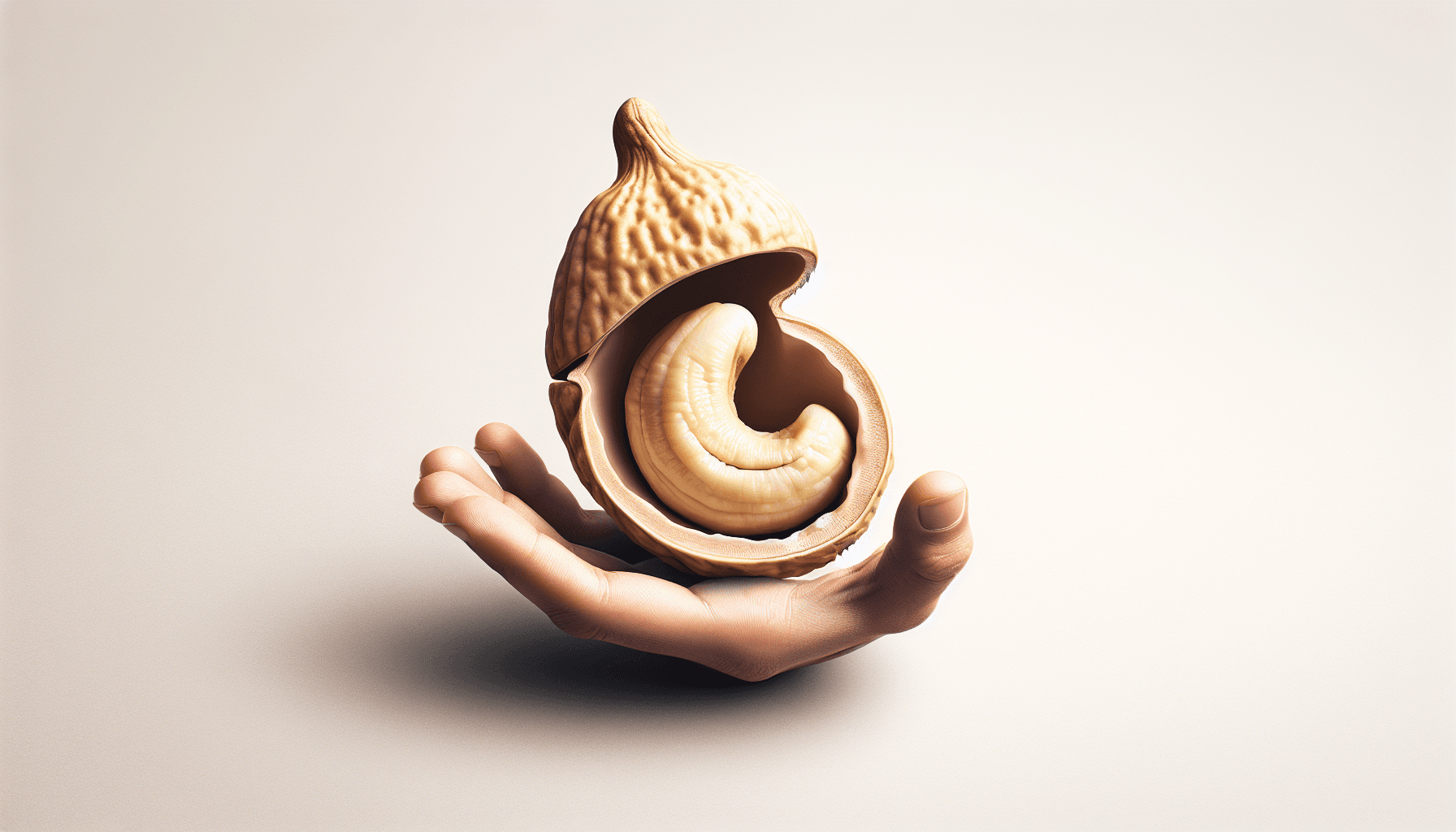
The cashew (Anacardium occidentale) belongs to the Anacardiaceae family, which also includes mangoes and poison ivy. While the kidney-shaped nut we eat is delicious, it grows inside a double-layered shell. Between these two layers lies a viscous, phenolic resin known as Cashew Nut Shell Liquid (CNSL).
The key components of this liquid are:
- Anacardic Acid: A powerful irritant that can cause blisters on contact.
- Urushiol: A toxin that triggers an intense allergic skin reaction (dermatitis) in most humans.
If a consumer were to attempt to crack open a raw cashew shell with their teeth or hands, the CNSL would leak out, causing painful, weeping blisters and potentially permanent scarring. Because of this extreme toxicity, the shells must be handled with industrial care and are never passed on to the consumer.
The Unique Anatomy of the Cashew
Unlike most nuts that grow inside a fruit or a simple husk, the cashew has a bizarre botanical structure. It grows at the bottom of a "cashew apple," which is a fleshy, sweet-tasting accessory fruit. The actual fruit is the kidney-shaped drupe hanging below the apple, which contains the seed we recognize as the cashew nut.
Because the cashew "nut" is technically a seed protected by a toxic hull, the harvesting process is significantly more complex than that of an almond or a walnut. According to botanical research from various agricultural institutions, the cashew is one of the few food items where the "packaging" is actively dangerous to the human touch.
How Cashews Are Made Safe to Eat
Since the shells are so hazardous, how do they end up in those pristine plastic jars? The processing of cashews is a multi-step, labor-intensive procedure designed to neutralize the toxins.
- Roasting or Steaming: The raw drupes are subjected to high heat, usually through roasting in open pans or steaming in closed cylinders. This heat breaks down the CNSL and makes the shells brittle.
- Mechanical or Manual Shelling: Once the toxins are neutralized by heat, the shells are removed. Even at this stage, workers must be incredibly careful. In many processing regions, workers apply protective oils or wear gloves to prevent "cashew dermatitis" from residual resin.
- Peeling the Testa: After the outer shell is removed, the nut is still covered in a thin skin called the testa. This is removed through further drying and peeling.
- Grading and Quality Control: The final nuts are inspected for any remaining shell fragments before being packaged.
It is a common misconception that "raw" cashews sold in health food stores are truly raw. In reality, all cashews sold for human consumption have been heat-treated to ensure the caustic oils are completely destroyed.
Occupational Hazards and Environmental Impact
The danger of the cashew shell is not just a theoretical concern for the consumer; it is a daily reality for those in the cashew-processing industry. According to reports by human rights and labor organizations, workers in major processing hubs—such as India and Vietnam—often suffer from chronic skin irritation and respiratory issues due to exposure to the caustic vapors released during the roasting process.
However, the toxic shell is not entirely waste. The Cashew Nut Shell Liquid (CNSL) is extracted and used industrially in:
- Brake linings and clutch facings.
- Waterproofing agents and paints.
- Fungicides and insecticides.
Conclusion
The reason why are cashews never sold in their shells because the hulls contain a caustic, skin-burning oil serves as a reminder of the complex relationship between nature and our food systems. The presence of urushiol makes the cashew one of the most hazardous crops to process, requiring rigorous heat treatment and careful handling to transform a toxic seed into a safe, nutritious snack.
Next time you enjoy a handful of cashews, you can appreciate the intricate and dangerous journey they took to reach you. Understanding the science behind our food not only makes us more informed consumers but also highlights the importance of safety standards in global food production. To learn more about food science and the hidden chemistry of your favorite snacks, continue exploring the fascinating world of botanical biology.


