
Why are the buttons on male and female shirts traditionally placed on opposite sides
From sword-wielding knights to the hidden secrets of the Victorian elite, the reason your buttons are on a specific side is more than just a fashion choice. Discover the fascinating history behind this centuries-old sartorial divide and why it still persists today.

Too Long; Didn't Read
Men’s buttons are on the right so they could draw swords without snagging, while women’s buttons are on the left because they were historically dressed by right-handed servants.
The Hidden History of Fashion: Why Are the Buttons on Male and Female Shirts Traditionally Placed on Opposite Sides?
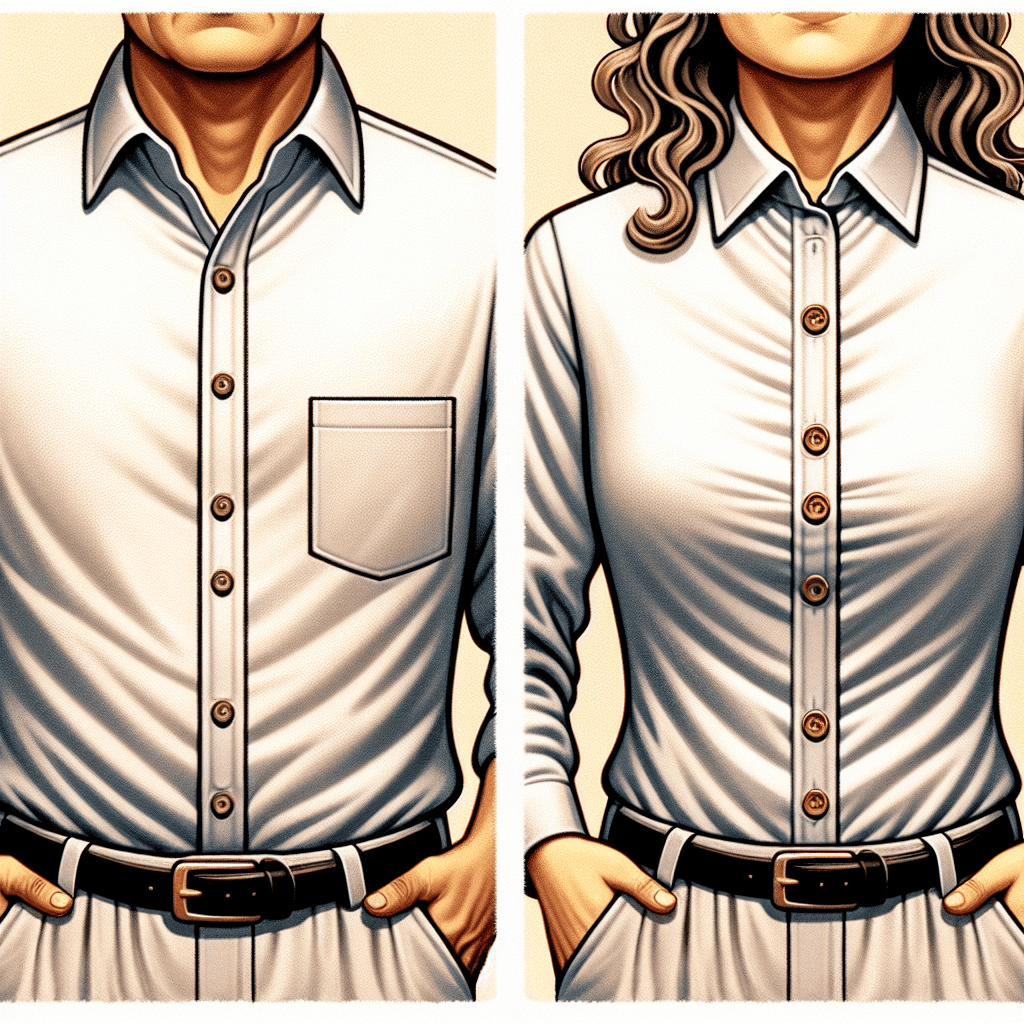
Have you ever found yourself fumbling with the buttons of a borrowed shirt, only to realize the closures feel "backward"? This subtle design quirk is one of the most enduring gender-based differences in modern clothing. While men’s shirts traditionally feature buttons on the right side of the placket, women’s shirts have them on the left. In an era where fashion is increasingly moving toward unisex styles, this distinction remains a fascinating vestige of the past.
Why are the buttons on male and female shirts traditionally placed on opposite sides? This historical standard is not a result of modern ergonomics but rather a reflection of centuries-old social hierarchies, military requirements, and the domestic habits of the aristocracy. This post explores the primary theories that explain how these distinct buttoning traditions began and why they persist today.
The Influence of Weaponry and Men’s Fashion
The placement of buttons on the right side of men’s garments is rooted in military history and the practicalities of combat. Historically, the majority of men were assumed to be right-handed. This influenced how they carried and drew their weapons.
- The Sword Theory: In the eras when men wore swords, the weapon was typically worn on the left hip to be drawn by the right hand. If a jacket lapped right-over-left (buttons on the left), the hilt of the sword could easily snag on the opening of the coat as it was drawn. By placing buttons on the right and lapping the fabric left-over-right, the sword could be drawn cleanly without interference.
- Protection in Combat: According to costume historians, the left-over-right closure also provided better protection against an opponent’s blade. A sword point was less likely to slip between the buttons if the opening faced away from the side where an attack was most likely to originate.
The Role of Servants in Women’s Dress
While men were generally responsible for dressing themselves, the history of women’s button placement tells a story of social status and domestic assistance. During the 17th and 18th centuries, buttons were expensive luxury items reserved for the wealthy.
The Ease for Lady's Maids
High-society women during the Victorian era often wore complex garments, such as corsets and bustles, which required the assistance of a lady’s maid. Because most servants were right-handed, dressmakers placed the buttons on the wearer’s left. This allowed the maid, standing in front of the lady, to use her right hand to fasten the buttons more efficiently.
A Mark of Wealth
Over time, having buttons on the left became a subtle status symbol. It signaled to the world that the wearer was wealthy enough to afford servants to help her dress. Even as mass production made buttons affordable for the middle and lower classes, the "left-side" tradition remained as a way to emulate the styles of the elite.
Secondary Theories: Equestrianism and Nursing
Beyond the primary theories of combat and servants, historians have suggested other practical reasons that may have reinforced these traditions:
- Side-Saddle Riding: Historically, women rode horses side-saddle, sitting with their legs to the right. Having buttons on the left helped prevent the wind from blowing into the shirt while riding at high speeds.
- Nursing and Childcare: Some theories suggest that because women often hold infants in their left arm (leaving the right hand free for tasks), having the shirt opening on the left made it easier to unbutton the garment for breastfeeding with the right hand.
Why the Tradition Persists in the Modern Era
As the garment industry shifted toward mass production in the 19th and 20th centuries, manufacturers sought to standardize patterns. Keeping the distinction between male and female button placement became an easy way for factory workers to quickly categorize garments during the assembly and shipping processes.
Despite the rise of gender-neutral fashion and the fact that most women today dress themselves, the industry has maintained this dichotomy. It is a rare example of a design element that has survived solely through tradition rather than modern necessity.
Conclusion
The answer to why the buttons on male and female shirts traditionally placed on opposite sides is found in a combination of martial pragmatism and aristocratic social norms. While men’s buttons were positioned for the ease of drawing a sword, women’s buttons were placed to accommodate the right hands of the servants who dressed them.
Today, these placements serve as a "fossilized" design feature—a small, daily reminder of how historical lifestyles continue to shape the objects we use. While the practical reasons for the difference have largely vanished, the tradition remains a staple of the garment industry, proving that in the world of fashion, history is often just as important as function. The next time you button your shirt, you are participating in a tradition that spans centuries of human history.


