
Why can eating a hot pepper actually make you feel cold
That fiery pepper tricks your brain into thinking you’re overheating, kicking on an internal air conditioner so powerful it can actually leave you with the chills.

Too Long; Didn't Read
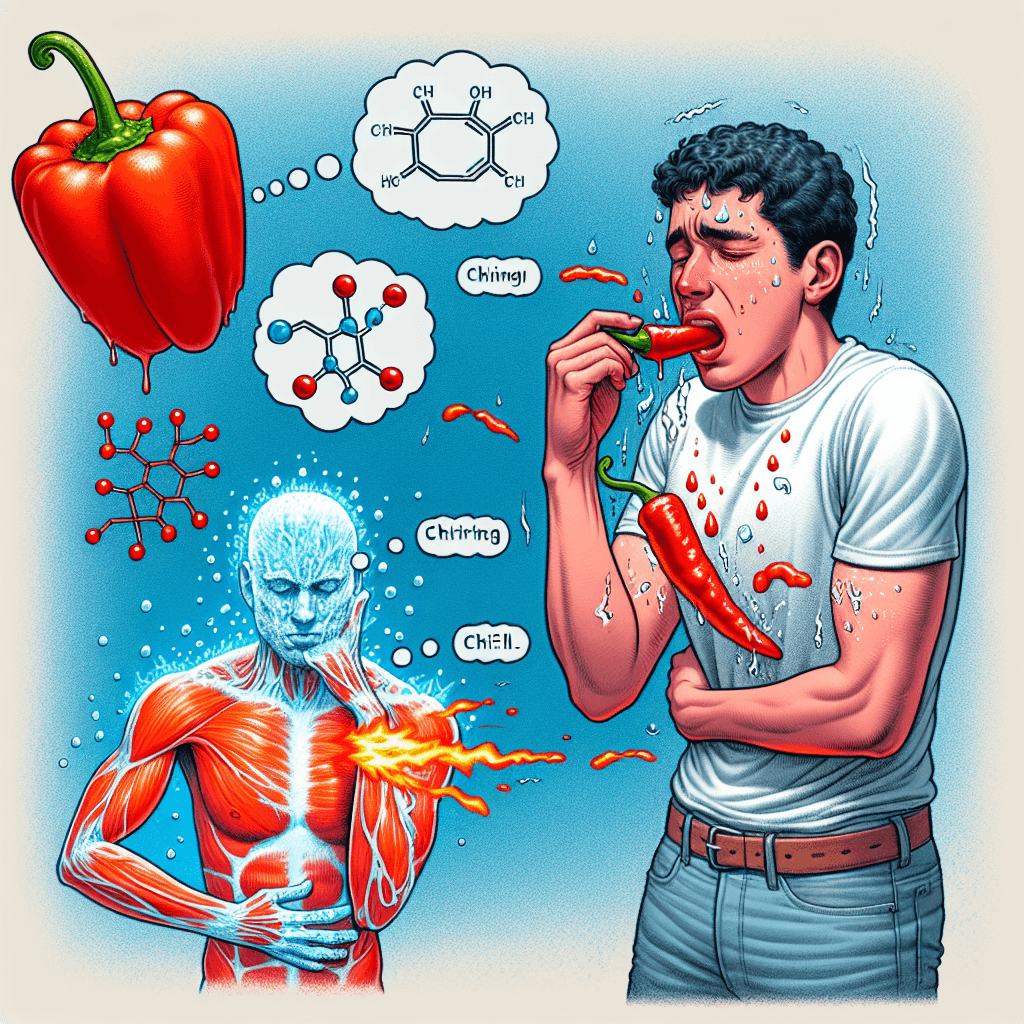
TLDR: The capsaicin in hot peppers tricks your brain into thinking you're overheating. Your body then starts its cooling mechanisms, like sweating. As the sweat evaporates, it cools your skin and can actually make you feel cold.
The Fiery Chill: Why Can Eating a Hot Pepper Actually Make You Feel Cold?
Have you ever been halfway through a spicy meal, your mouth ablaze and forehead glistening, only to suddenly feel a strange, creeping chill? It’s a bizarre and counterintuitive experience: the very thing that sets your tongue on fire seems to be cooling you down. This isn't just your imagination; it's a fascinating physiological trick played on your body. The journey from fiery burn to a surprising cool-down is a perfect example of our body's intricate and sometimes paradoxical response system. This post will unravel the spicy science behind why eating a hot pepper can actually make you feel cold.
Meet Capsaicin: The Master of Deception
The entire experience begins with a single chemical compound: capsaicin. This is the active ingredient in chili peppers that gives them their signature heat. Our bodies are equipped with a sophisticated network of sensory receptors, and one of the most important for detecting temperature is the Transient Receptor Potential Vanilloid 1, or TRPV1 receptor.
These receptors are located in our skin and mucous membranes (like in your mouth). Their primary job is to send a pain signal to the brain when they detect actual high temperatures—think touching a hot stove or sipping scalding coffee. This is a crucial survival mechanism that warns us of potential burns.
Here's where the trickery comes in: capsaicin binds to these TRPV1 receptors and activates them perfectly, just as real heat would. It fits into the receptor like a key into a lock, convincing your nervous system that your mouth is literally on fire. Your brain receives this urgent distress signal and immediately believes the body is overheating, even though your core temperature hasn't actually changed.
The Brain's Emergency Cooling Response
Once your brain gets this false fire alarm, it doesn't waste time questioning the source. It immediately deploys its most effective cooling strategies to combat the perceived thermal threat. This response is a two-pronged attack designed to shed heat as quickly as possible.
1. Sweating: Your Personal Air Conditioner
The most noticeable response is sweating. Your brain signals your sweat glands to go into overdrive. As sweat is released onto your skin's surface, it begins to evaporate. This process, known as evaporative cooling, requires energy, which it pulls from your body in the form of heat. As the sweat evaporates, it carries heat away from your skin, leaving you feeling cooler. If you're in a breezy or air-conditioned room, this effect is magnified, and you might even feel a distinct chill or shiver.
2. Vasodilation: A Healthy Flush
Simultaneously, the brain triggers vasodilation. This is the process where the blood vessels near the surface of your skin widen or dilate. You see this as a red flush on your face and neck. This rerouting of blood flow brings more warm blood closer to the skin's surface, allowing its heat to radiate away into the cooler surrounding air. While this helps dissipate heat, the primary source of the "cold" feeling comes directly from the powerful effect of sweat evaporation.
This physiological reaction explains why spicy foods are so popular in some of the world's hottest climates. Eating a spicy curry in India or a fiery chili dish in Mexico is a natural way to kickstart the body's internal air conditioning and provide temporary relief from the external heat.
From Fiery Sensation to Icy Relief
So, the next time you bite into a ghost pepper and find yourself shivering a few minutes later, you'll know exactly what's happening. The initial searing "heat" is nothing more than your heat-sensing nerves being expertly fooled by capsaicin. The subsequent chill is the very real and highly effective result of your body's cooling system overcompensating for a threat that was never really there.
In conclusion, the journey from spicy burn to a cool sensation is a beautiful demonstration of cause and effect within our own biology. The chemical trick of capsaicin leads to a powerful physiological response designed to protect us from heat. It’s a reminder that our bodies are constantly working to maintain balance, even when they’re being playfully deceived by a chili pepper. So go ahead, enjoy the spice—and the surprising cool-down that follows.


