
Why did a US town once legally require all cats to wear three bells
It wasn't just a quirky rule—it was a declaration of war against the town's most silent, furry predators, and this bizarre law was their weapon.

Too Long; Didn't Read
TLDR: A California town passed a short-lived law forcing cats to wear three bells to protect the local bird population by giving them an audible warning and preventing the cats from hunting stealthily.
Tinkling Tigers: Why Did a US Town Once Legally Require All Cats to Wear Three Bells?
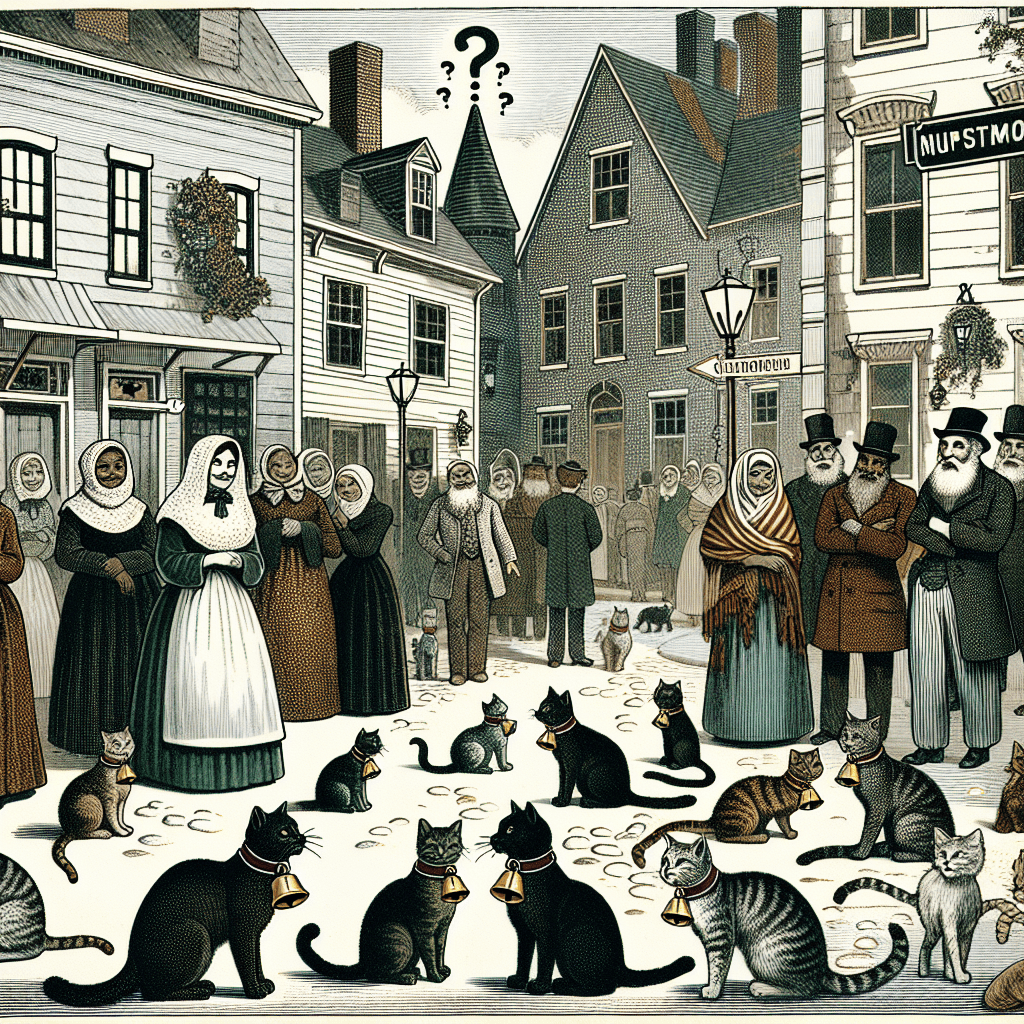
Imagine a quiet suburban town where every feline footstep is announced by a distinct jingle-jangle-jingle. This isn't the setup for a children's story, but a real historical law from an American town. In the late 19th century, one community took an unusual step to address a growing environmental concern by legally requiring its feline citizens to be fitted with a trio of bells. This peculiar ordinance, born from a desire to protect local wildlife, offers a fascinating glimpse into early conservation efforts and the long-standing debate over the ecological impact of our beloved pets. This post explores the story behind this unique law, uncovering why a US town once legally required all cats to wear three bells.
The Cresskill Cat Conundrum: A Law is Born
The town at the center of this curious tale is Cresskill, New Jersey. In 1895, the borough council passed an ordinance that quickly gained national attention for its novelty. The law stated that any cat over the age of three months found roaming outdoors must wear a collar affixed with three bells. The purpose of this specific number was likely to ensure the sound was audible enough to serve its purpose, creating a distinct and unmissable warning signal.
The ordinance was not merely a suggestion; it carried the weight of law. Cat owners who failed to comply with the three-bell requirement could face a fine. While it may seem whimsical today, the Cresskill "Cat-Bell Ordinance" was a serious attempt to solve a problem that community leaders and nature lovers were beginning to recognize as a significant threat to the local environment.
For the Birds: The Real Reason Behind the Bells
The primary motivation behind the Cresskill law was not to punish cats or annoy their owners, but to protect the local songbird population. At the turn of the 20th century, the conservation movement was gaining momentum across the United States. Groups like the early Audubon societies were raising awareness about the dramatic decline in native bird populations due to factors like habitat loss and hunting for the millinery trade.
In this context, the role of the domestic cat as a predator came under scrutiny. Cresskill's leaders recognized a simple truth: cats are incredibly effective hunters. The three-bell system was a clever, if perhaps optimistic, solution designed to give birds a "fair warning." The theory was straightforward:
- A stealthy, stalking cat would be betrayed by the jingling of its bells.
- This auditory alarm would alert nearby birds to the approaching danger.
- The birds would then have a chance to flee before becoming a meal.
The law was an early, innovative attempt to mitigate the ecological damage caused by free-roaming domestic predators, framing the issue as a matter of public and environmental welfare.
The Law's Legacy and Modern Echoes
Did the jingle law work? It's difficult to say. The ordinance certainly brought notoriety to Cresskill, with newspapers across the country reporting on the "tinkling" felines of New Jersey. However, widespread and long-term enforcement was likely a challenge, and the law eventually faded into historical obscurity.
Despite its short life, the Cresskill ordinance remains relevant. It serves as a fascinating historical precedent for a conversation that continues today. Modern studies have confirmed the significant impact of free-roaming domestic cats on wildlife, with research from institutions like the Smithsonian Conservation Biology Institute estimating that cats kill billions of birds and small mammals each year in the United States alone.
Today, the solutions proposed are more varied and scientifically tested, but they echo the spirit of the Cresskill law. They include:
- Keeping cats safely indoors.
- Building enclosed outdoor patios, or "catios."
- Using specially designed, brightly colored "Birdsbesafe" collar covers that make cats more visible to birds.
The story of Cresskill's three-bell law is more than just a quirky piece of trivia. It represents a pioneering, community-level effort to balance the freedom of domestic pets with the protection of local ecosystems. While a town full of jingling cats may be a thing of the past, the underlying challenge of coexisting responsibly with wildlife remains. This 19th-century ordinance serves as a charming and thought-provoking reminder that the conversation about our pets' place in the natural world has a long and fascinating history.


