Why did the inventors of bubble wrap first attempt to sell their creation as textured three-dimensional wallpaper
Long before it became the world’s most satisfying packing material, bubble wrap was marketed as the next big trend in high-end home decor. Discover the bizarre story of how a failed 3D wallpaper experiment accidentally revolutionized the shipping industry.

Too Long; Didn't Read
In 1957, inventors Alfred Fielding and Marc Chavannes originally marketed bubble wrap as 3D textured wallpaper to tap into mid-century home decor trends. After the product failed to sell for interior design or as greenhouse insulation, it was successfully repurposed as the protective packaging material used today.
From Interior Design to Industrial Icon: Why Did the Inventors of Bubble Wrap First Attempt to Sell Their Creation as Textured Three-Dimensional Wallpaper?
We have all experienced the tactile satisfaction of popping a sheet of bubble wrap, but few realize that this ubiquitous packaging material was originally intended to adorn the walls of modern homes. In 1957, two inventors set out to create a high-end interior design trend, only to find that their creation was destined for a much more practical purpose. Why did the inventors of bubble wrap first attempt to sell their creation as textured three-dimensional wallpaper? The answer lies in the intersection of mid-century aesthetic trends and the trial-and-error nature of industrial innovation. This post explores the transition of "Air Cap" from an avant-garde home decor experiment to the backbone of the global shipping industry.
The Accidental Invention of Air-Cell Plastic
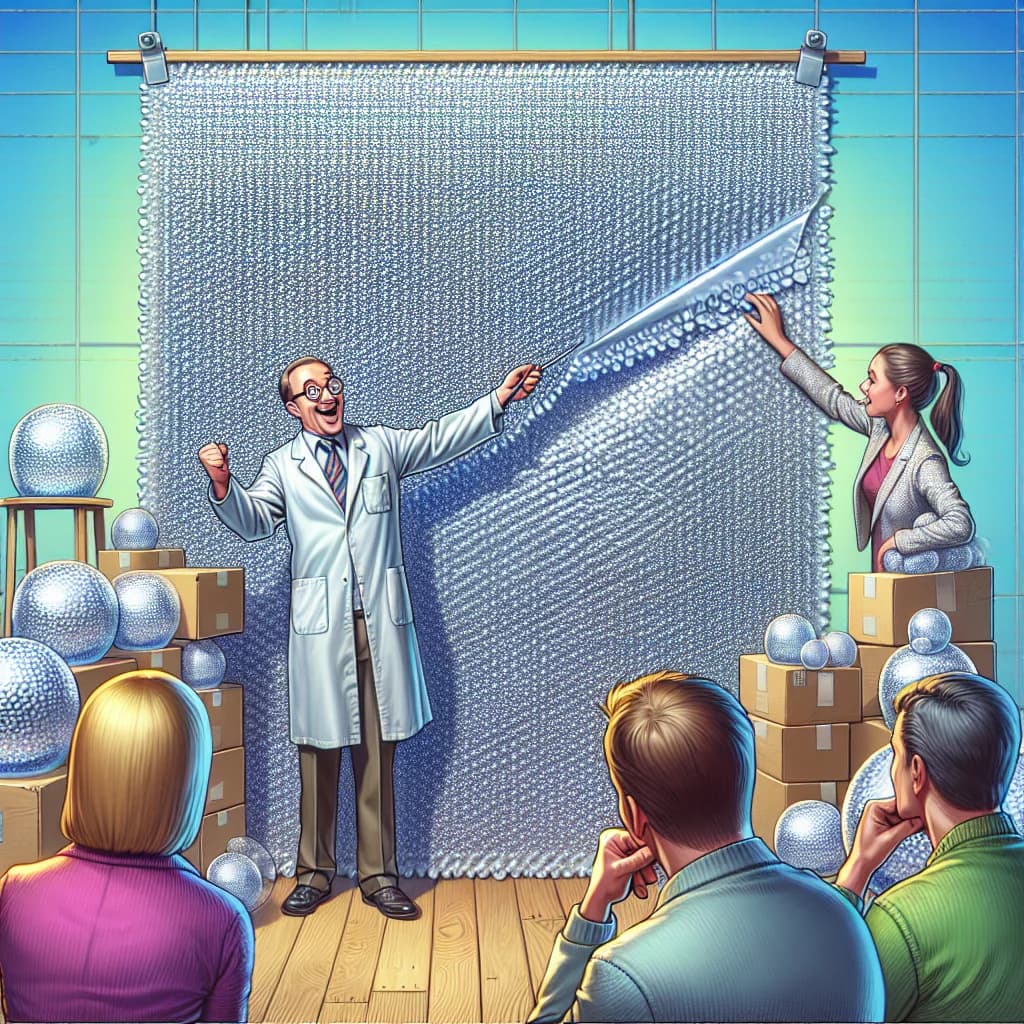
In a garage in Hawthorne, New Jersey, engineers Alfred Fielding and Marc Chavannes were experimenting with heat-sealing plastic. Their initial goal was not to create a shipping material, but rather to develop a unique, textured wallpaper that would appeal to the growing "Space Age" aesthetic of the late 1950s.
By running two plastic shower curtains through a heat-sealing machine, they accidentally trapped a layer of air bubbles between the sheets. While the result was a failure in terms of creating a flat surface, the duo saw potential in the textured, "three-dimensional" look of the trapped air. They believed that this tactile, cushioned material could provide a sophisticated, modern alternative to traditional paper-based wall coverings.
The Logic Behind the Wallpaper Pitch
To understand why Fielding and Chavannes targeted the interior design market, one must consider the cultural context of 1957. Several factors made textured wallpaper seem like a viable business venture:
- The Mid-Century Modern Aesthetic: Post-war design favored new materials, geometric patterns, and experimental textures. A plastic-based, 3D wallpaper fit the "futuristic" vibe of the era.
- Durability and Maintenance: Unlike traditional paper, plastic wallpaper was easy to clean and water-resistant, making it an attractive option for the modern housewife.
- Acoustic Insulation: The inventors initially thought the air pockets might help with sound dampening, a desirable trait for busy suburban households.
Despite these perceived benefits, the product—initially branded as "Air Cap"—was a commercial failure in the home decor market. Consumers found the aesthetic too industrial, and the idea of covering a living room in plastic bubbles failed to gain traction beyond a few niche enthusiasts.
The Pivot: From Greenhouses to the Shipping Room
After the wallpaper idea failed, Fielding and Chavannes did not give up. They spent the next few years searching for a problem that their "Air Cap" could solve. Their second major attempt was marketing the material as greenhouse insulation. While the trapped air did provide a decent thermal barrier, this market also proved too small and difficult to penetrate.
The true breakthrough came in 1960, when Frederick W. Bowers, a marketer at the inventors' newly formed company, Sealed Air Corp, realized the product’s potential as a protective packaging material.
The IBM Breakthrough
The timing of this realization was perfect. IBM had recently announced its 1401 variable-word-length computer. This was a piece of sensitive, expensive equipment that required significant protection during transit. According to corporate histories from Sealed Air Corp, Bowers pitched the idea of using "Air Cap" to protect these delicate machines. IBM was impressed by the lightweight, shock-absorbent nature of the bubbles, and Bubble Wrap finally found its "killer app."
Why the Transition Was Successful
The shift from wallpaper to packaging was successful because it moved the product from a "discretionary luxury" (home decor) to a "functional necessity" (logistics). Key advantages included:
- Superior Protection: Compared to the standard packaging of the time—usually baled hay or old newspapers—Bubble Wrap offered consistent, predictable cushioning.
- Weight Reduction: Because it was mostly air, it drastically reduced shipping costs compared to heavier protective materials.
- Cleanliness: Unlike shredded paper, Bubble Wrap left no dust or debris on the sensitive electronic components of the burgeoning computer age.
Conclusion
The story of how Fielding and Chavannes first attempted to sell their creation as textured three-dimensional wallpaper serves as a classic example of "pivoting" in business. While their initial vision for a design revolution failed to materialize, their willingness to rethink the utility of their invention led to the creation of a multi-billion-dollar industry. Today, Bubble Wrap is an essential component of global commerce, proving that sometimes a product's greatest value lies far from its original purpose. The next time you find yourself popping those plastic bubbles, remember that they were once meant to be the height of sophisticated interior design. For those interested in the history of innovation, the evolution of Bubble Wrap stands as a testament to the power of persistence and the importance of finding the right market for a new idea.