
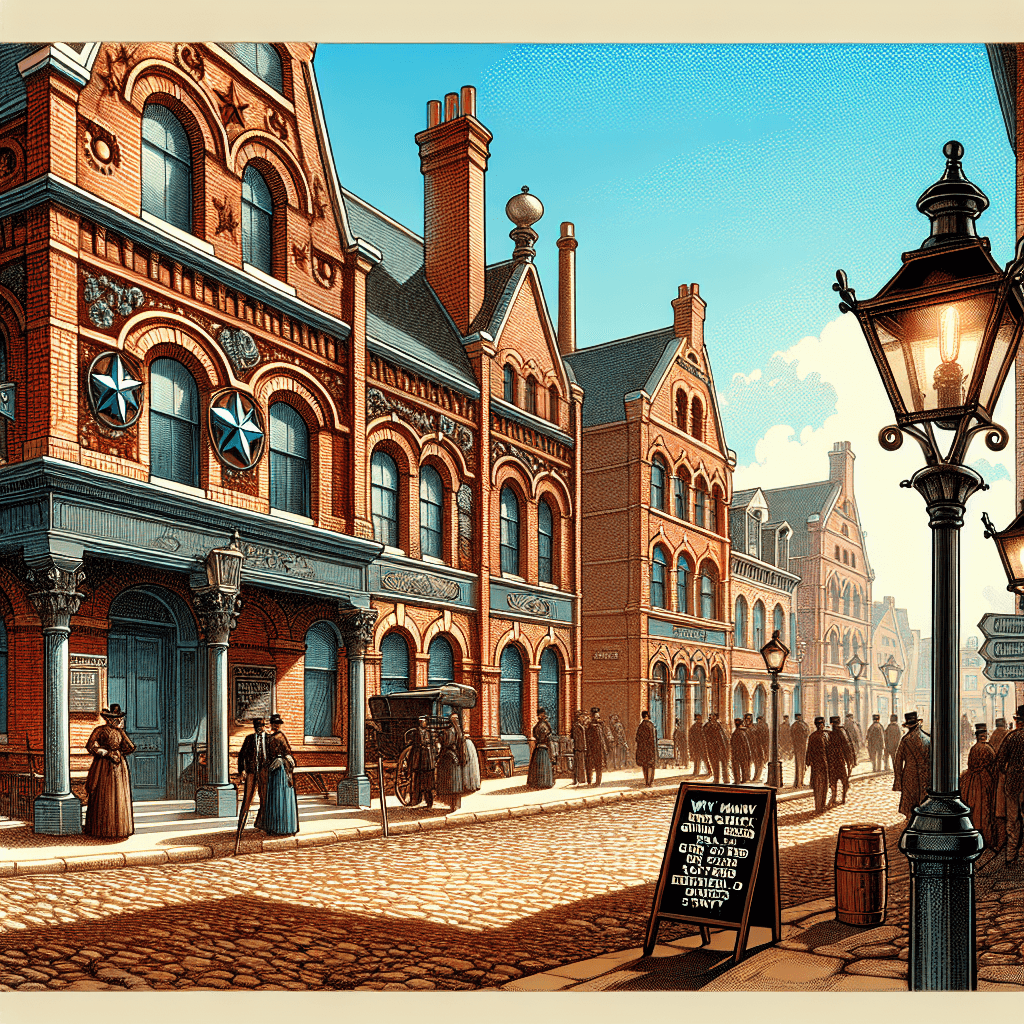
Why do many older brick buildings have large metal stars or plates bolted to their exterior walls
Those charming metal stars on historic brick facades aren’t just architectural flair—they’re actually a high-stakes engineering secret keeping the walls from tumbling down. Discover the fascinating story behind these "star anchors" and how they’ve saved countless buildings from total collapse.

Too Long; Didn't Read
Known as star anchors or pattress plates, these metal shapes are attached to internal tie rods that reinforce the building by preventing old masonry walls from bowing or leaning outward over time.
Structural Secrets: Why Do Many Older Brick Buildings Have Large Metal Stars or Plates Bolted to Their Exterior Walls?
Have you ever wandered through a historic neighborhood and noticed peculiar metal stars, circles, or diamond-shaped plates bolted to the sides of aging brick buildings? To the casual observer, these metal ornaments might appear to be purely decorative flourishes from a bygone era or perhaps 19th-century "branding." However, these items serve a purpose far more critical than mere aesthetics. In reality, they are essential structural components that have kept thousands of historic buildings standing for over a century. Known as anchor plates or "star bolts," these features are the visible end of a sophisticated bracing system designed to prevent masonry collapse. This post will explore the mechanics, history, and vital function of these fascinating architectural relics.
Understanding Anchor Plates and Tie Rods
While the exterior plate is what catches the eye, it is only one half of a two-part structural system. The plate is connected to a long steel or wrought-iron "tie rod" that extends deep into the building’s interior.
In most cases, these rods run horizontally through the structure, often spanning the entire width of the building or connecting to the internal floor joists. The anchor plate acts as a giant washer; when the nut on the outside of the plate is tightened, it creates tension along the rod. This tension pulls the exterior masonry wall toward the interior frame of the building, effectively "sandwiching" the structure together to maintain its vertical integrity.
Why Do Masonry Walls Need Bracing?
Brick buildings, particularly those constructed in the 18th and 19th centuries, face unique structural challenges as they age. Unlike modern steel-frame skyscrapers, older masonry buildings rely on "load-bearing" walls. Several factors can cause these walls to lose their shape over time:
- Lateral Thrust: As a building settles, the weight of the roof and upper floors can exert outward pressure on the side walls.
- Foundation Shifting: Minor movements in the soil can cause walls to lean or "bow" outward.
- Material Fatigue: Over decades, the lime mortar used in older construction can degrade, causing the individual wythes (layers) of brick to separate or bulge.
- Environmental Stress: Constant cycles of freezing and thawing, or even heavy vibrations from modern city traffic, can slowly loosen the bond between the masonry and the internal timber frame.
According to architectural preservationists, without these anchor plates, many of these buildings would eventually suffer a "blowout," where the wall literally peels away from the floor joists and collapses onto the street.
The History of Seismic and Structural Retrofitting
The prevalence of star-shaped anchor plates is often linked to specific historical events and regional building codes. For example, following the devastating 1886 earthquake in Charleston, South Carolina, thousands of these plates were installed to stabilize damaged buildings. Because the star shape provided multiple points of contact with the brick while remaining visually appealing, it became the gold standard for seismic retrofitting in the late 19th century.
In industrial cities like New York, Philadelphia, and London, anchor plates were frequently used during the original construction of factories and warehouses. These buildings were designed to hold massive machinery or heavy inventory, which created significant lateral vibrations. Engineers used tie rods and plates to ensure the walls remained plumb despite the constant movement within.
Forms and Varieties of Anchor Plates
While the "star" is perhaps the most iconic shape, anchor plates come in various designs depending on the era and the level of support required:
- Circular and S-Plates: Often found in European architecture, "S" shaped plates (or "S-irons") provide a wider surface area to distribute pressure across the brickwork.
- Simple Squares or Rectangles: Common in industrial settings where utility was prioritized over appearance.
- Ornate Crosses and Diamonds: Frequently seen on Victorian-era civic buildings or high-end residential brownstones.
Conclusion
The metal stars and plates found on older brick buildings are more than just charming historical artifacts; they are a testament to the ingenuity of 19th-century engineering. By providing lateral stability through a system of tie rods and anchor plates, these components have allowed masonry structures to withstand the test of time, gravity, and even natural disasters.
Understanding the function of these "star bolts" gives us a deeper appreciation for the resilience of our urban landscapes. The next time you spot one of these metal anchors, you are not just looking at a piece of hardware—you are looking at the very thing holding history together. For those interested in historic preservation, these plates serve as a visible reminder of the ongoing effort to balance modern safety with architectural heritage.


