
Why do brand new car tires have those tiny rubber whiskers sticking out of them
Ever wonder if those tiny rubber "hairs" on your new tires serve a secret purpose? Discover the surprising science behind these mysterious whiskers and what they actually reveal about the life of your tire.

Too Long; Didn't Read
Known as vent spews, these rubber whiskers are a harmless byproduct of the manufacturing process. They form when air escapes through small holes in the tire mold, allowing the rubber to fill the space completely and prevent bubbles. They do not affect performance and will naturally wear off as you drive.
The Science of Vent Spews: Why Do Brand New Car Tires Have Those Tiny Rubber Whiskers Sticking Out of Them?
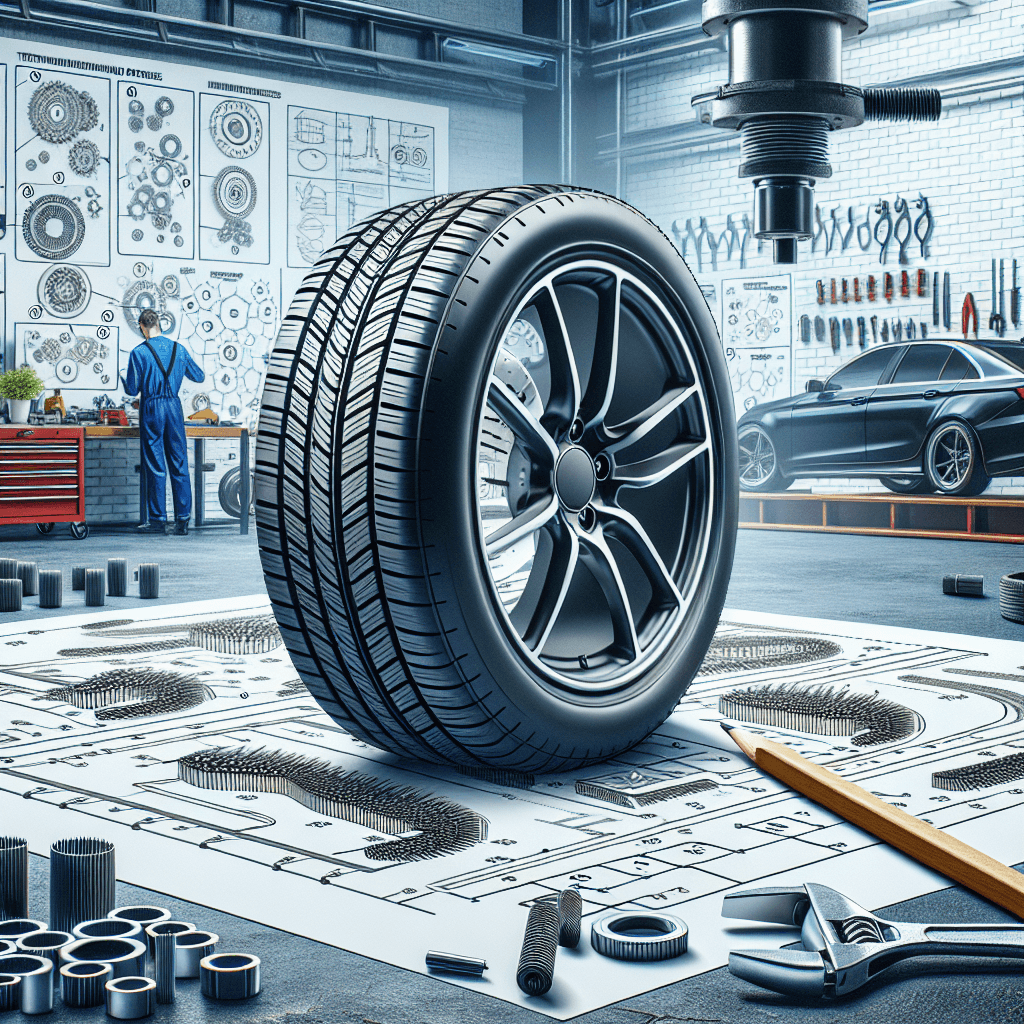
Have you ever walked through a dealership lot or picked up a fresh set of tires and noticed hundreds of tiny, hair-like rubber appendages poking out from the tread and sidewalls? While they might look like specialized sensors, decorative fringe, or even a strange form of "tire hair," these little whiskers are a common sight for anyone buying new rubber. Many drivers wonder if they serve a functional purpose on the road or if they are simply a sign of a manufacturing defect. In reality, these structures, known technically as "vent spews," are an essential byproduct of the complex molding process that ensures your tires are safe, solid, and structural sound. This post explores the fascinating manufacturing journey of a tire to explain exactly why do brand new car tires have those tiny rubber whiskers sticking out of them?
What Exactly Are These Rubber Whiskers?
In the automotive industry, these tiny protrusions are formally called vent spews, though they are also frequently referred to as sprue nubs, tire nibs, or mold hair. Despite their appearance, they are not intended to improve traction, reduce noise, or indicate the age of the tire. Instead, they are the result of the final stage of the tire-making process: vulcanization.
During manufacturing, a "green tire" (an uncured tire without a tread pattern) is placed inside a metal mold. This mold is then subjected to intense heat and high pressure to shape the rubber and chemically bond its components. The whiskers are simply the "scars" left behind by this high-pressure environment.
The Role of the Tire Mold
To understand why these whiskers exist, we have to look at how air behaves during the molding process. When the green tire is pressed against the inside of the mold to create the tread pattern and sidewall lettering, there is a risk that air could become trapped between the rubber and the metal plates.
According to manufacturing experts, trapped air is the enemy of a high-quality tire. If air bubbles remain:
- Structural Weaknesses: Trapped air can create "voids" or thin spots in the rubber.
- Tread Defects: The tread might not form completely, leading to safety hazards.
- Aesthetic Flaws: The tire may look pitted or incomplete.
To prevent this, engineers drill tiny "vent holes" throughout the mold. These holes allow the trapped air to escape as the rubber expands under pressure.
The Emergence of the "Whisker"
As the air is forced out through these tiny vents, a small amount of the softened, uncured rubber follows it. As the tire cures and hardens under heat, this excess rubber solidifies inside the vent holes. When the finished tire is finally pulled out of the mold, these thin cylinders of rubber remain attached to the surface, creating the "whiskers" we see on the showroom floor.
Do They Affect Your Driving Experience?
A common concern among car enthusiasts is whether these nubs affect the vehicle’s performance. The short answer is: No.
- Traction: The nubs are too soft and small to impact the tire’s grip on the road.
- Noise: They do not create enough wind resistance or vibration to be audible inside the cabin.
- Longevity: They generally wear off within the first few hundred miles of driving as they make contact with the pavement.
Because they are purely a byproduct of the manufacturing process and have no functional use once the tire leaves the factory, their presence is essentially neutral.
Should You Remove the Whiskers?
While you might be tempted to grab a pair of scissors or a razor to "clean up" the look of your new tires, it is generally unnecessary.
- Aesthetics: If you find the whiskers unsightly—especially on the sidewalls of a classic car or a show vehicle—you can carefully trim them away.
- Safety Warning: If you choose to remove them, be extremely careful. Using a sharp blade near the tire carcass risks cutting into the actual rubber structure, which can lead to leaks or blowouts.
- Natural Wear: Most manufacturers recommend simply leaving them alone. Normal friction with the road and the natural flexing of the sidewall will cause them to fall off on their own over time.
Conclusion
Understanding why do brand new car tires have those tiny rubber whiskers sticking out of them? helps demystify one of the most common visual quirks of automotive maintenance. These "vent spews" are not a sign of poor quality; rather, they are evidence of a precise manufacturing process that prioritizes safety by eliminating trapped air.
The next time you see these little rubber hairs on a set of fresh tires, you can rest easy knowing they are simply the remnants of the mold that helped give your tires their strength and shape. While they may not stay long, they serve as a brief "birthmark" of a brand-new, road-ready tire.


