
Why do restaurants often garnish plates with a single lonely sprig of parsley
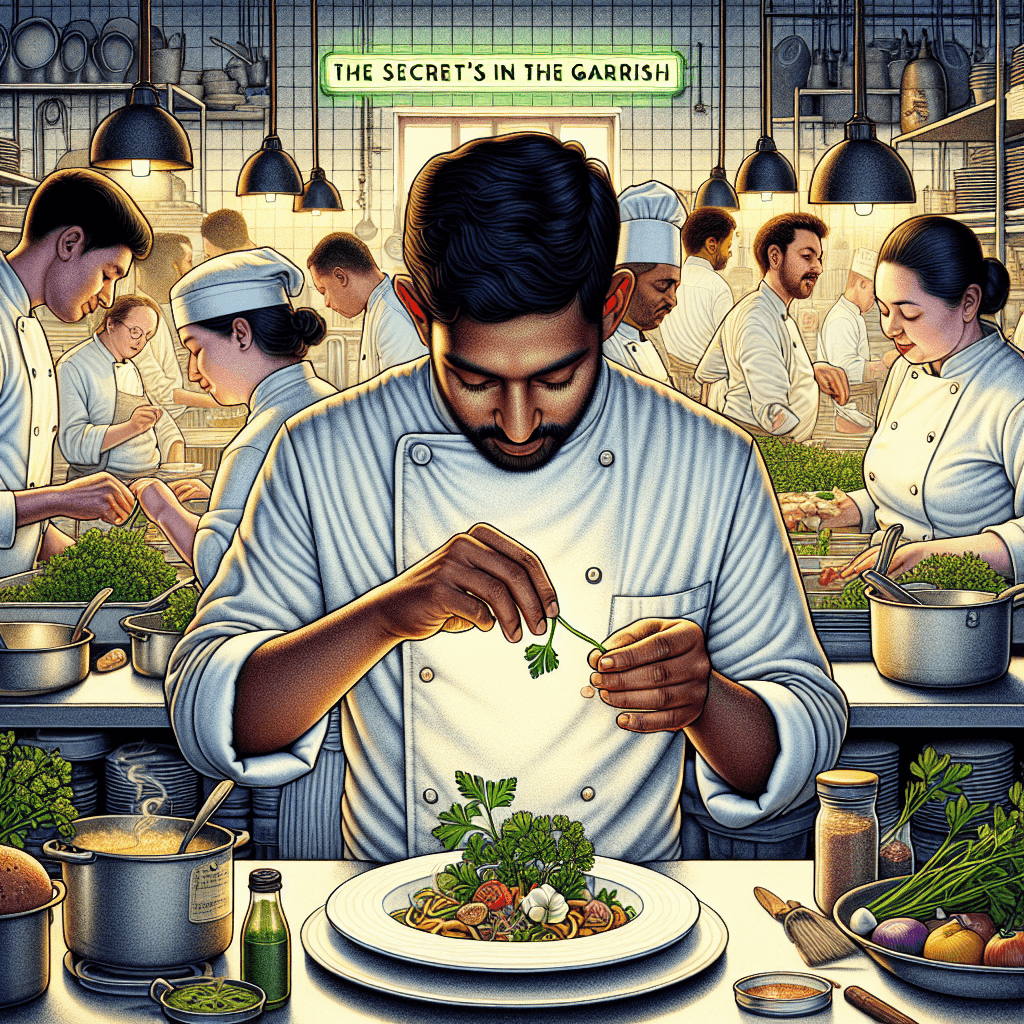
That sad little sprig of parsley isn't just a lazy garnish; it’s a forgotten culinary tool with a surprisingly practical secret.

Too Long; Didn't Read
TLDR: That single parsley sprig is a cheap, old-school tradition. It adds a pop of color to make food look fresher and more complete, and can also act as a palate cleanser.
Blog Post Title: More Than Just Green: The Surprising History Behind Why Restaurants Garnish Plates with a Single Lonely Sprig of Parsley
You’ve just been served a beautiful plate of food at your favorite diner or steakhouse. The steak is perfectly cooked, the potatoes are golden, and there, sitting off to the side, is the final touch: a single, solitary sprig of curly parsley. You might push it aside, or maybe you don't even notice it. But have you ever wondered why it’s there? This seemingly random bit of greenery is not just a lazy decoration; it’s a culinary tradition with a surprisingly rich history. This post will uncover the historical, practical, and psychological reasons behind this enduring practice, revealing why that little green sprig carries more weight than you might think.
From Palate Cleanser to Plate Prettifier: A Historical Perspective
Long before it was used to add a splash of color, parsley served a very practical purpose. The tradition dates back to ancient times. The Romans, known for their elaborate feasts, would chew on parsley at the end of a meal. They believed its strong, fresh flavor would cleanse the palate, aid digestion, and, most importantly, combat strong food odors like garlic, effectively acting as the world's first after-dinner mint.
This functional use continued for centuries. Placing a sprig of parsley on the plate wasn't just for show; it was an offering to the diner. It was a convenient, readily available tool for them to refresh their breath after eating. As culinary practices evolved, this functional purpose began to fade, but the tradition of placing parsley on the plate remained, transitioning from a practical aid to a decorative staple.
The Psychology of Green: More Than Just a Garnish
As the functional role of parsley diminished, its aesthetic value came to the forefront. Chefs and restaurateurs intuitively understood something that food psychologists now study: we eat with our eyes first. A lone sprig of parsley accomplished several key visual tasks.
- A Splash of Color: It adds a vibrant pop of green to otherwise monochromatic dishes. Think of a plate of fried fish and chips or a beige-and-brown roast beef dinner. That small touch of green makes the entire plate look more alive, fresh, and appealing.
- A Signal of Freshness: In the mid-20th century, when this practice was at its peak, the parsley sprig acted as a silent guarantee from the kitchen. A crisp, bright green sprig suggested that the kitchen was paying attention to detail and that the ingredients were fresh. A wilted, sad-looking sprig would have been an immediate red flag.
- Breaking Up the Plate: It provides a visual break, separating different elements on the plate and filling empty space, making the portion size appear more substantial and the plating more deliberate.
The Chef's Humble Helper: Why Parsley Won the Garnish Game
While other herbs could have been used, parsley became the undisputed king of the garnish for several intensely practical reasons, especially in high-volume kitchens.
- It’s Incredibly Hardy: Parsley, particularly the curly variety, is tough. It can sit on a plate under a heat lamp for several minutes without wilting, unlike more delicate herbs like cilantro or dill. This resilience is crucial during a busy dinner service.
- It’s Cost-Effective: Parsley is inexpensive to buy and easy for restaurants to grow themselves, making it a budget-friendly way to elevate a plate's appearance.
- It Has a Neutral Flavor: Its clean, mild flavor doesn’t clash with the vast majority of savory dishes. A chef could add it to a plate of chicken, fish, or beef without worrying about altering the intended taste profile.
Today, the lonely parsley sprig is often seen as a bit dated. Modern gastronomy favors integrated garnishes—like a sprinkle of finely chopped chives or a microgreen salad—that are meant to be eaten and contribute to the dish's overall flavor. However, the single sprig of parsley persists in diners, pubs, and family restaurants, a charming and nostalgic nod to a long and functional culinary history.
Conclusion
So, what’s the story behind that single sprig of parsley? It’s a tale of evolution. It began as a practical palate cleanser for the Romans, transformed into a psychological cue for freshness and visual appeal, and held its place for decades due to its sheer hardiness and low cost. While its popularity may have waned in fine dining, it remains a small but significant piece of culinary history. The next time you see that lonely green sprig on your plate, give it a nod of respect. It’s more than just a garnish; it’s a survivor that has earned its place through centuries of service.


