
Why do some expensive perfumes contain a waxy substance produced in the digestive tract of a sperm whale
It sounds like a bizarre myth, but the secret to your most expensive fragrance might actually be a rare treasure forged deep inside the gut of a sperm whale. Discover why this "floating gold" is one of the most coveted substances on Earth and how it transforms a simple scent into a luxury masterpiece.

Too Long; Didn't Read
Expensive perfumes use ambergris, a rare substance produced by sperm whales, because it acts as a superior fixative that helps scents last longer on the skin while adding a unique, earthy depth that cannot be perfectly replicated by synthetics.
Floating Gold: Why do some expensive perfumes contain a waxy substance produced in the digestive tract of a sperm whale?
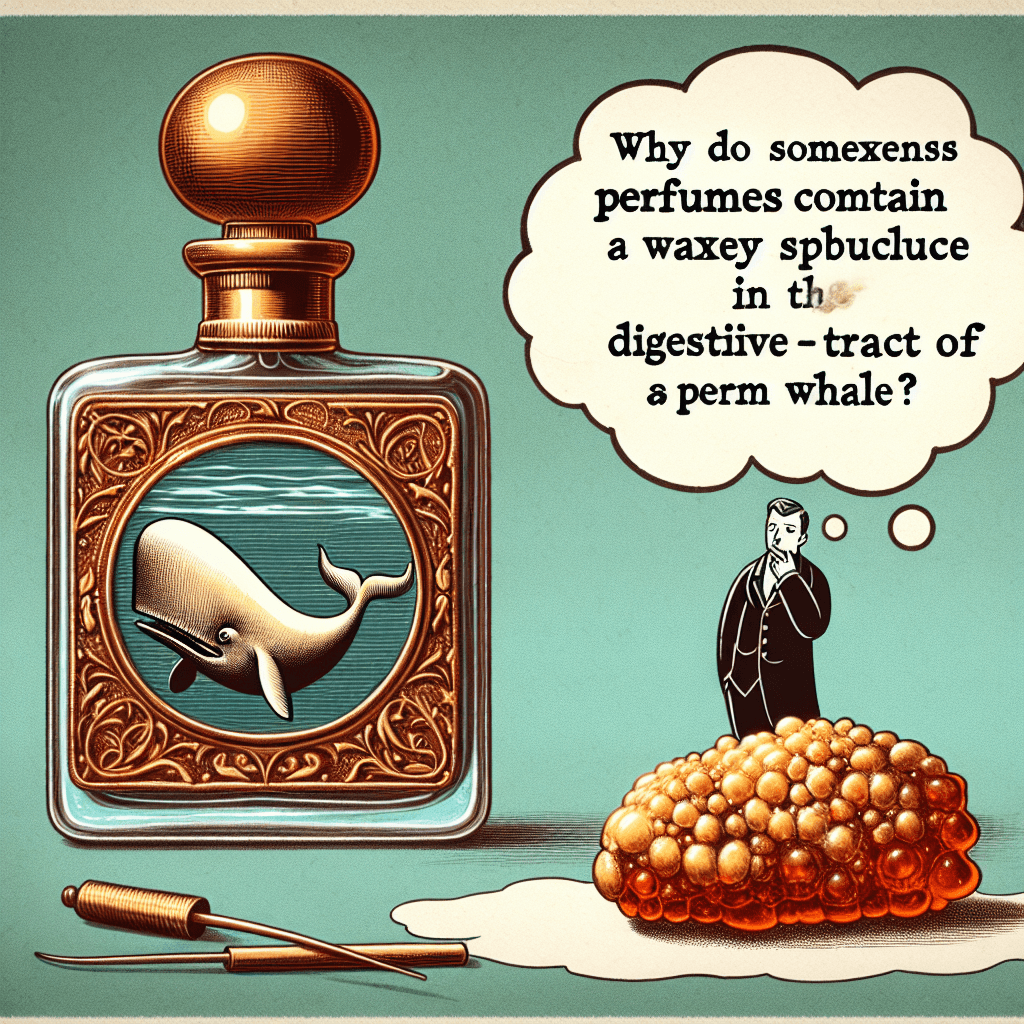
Imagine strolling along a remote coastline and stumbling upon a dull, greyish, waxy lump that smells faintly of marine decay. To the untrained eye, it looks like ocean debris; to a master perfumer, it is "floating gold." This substance is ambergris, a rare biological phenomenon that has been a cornerstone of the luxury fragrance industry for centuries. While the idea of using a secretion from a deep-sea mammal might seem unappealing at first, its unique chemical properties make it irreplaceable in high-end scents. This blog post explores the biological origins, the chemical transformation, and the enduring prestige behind why some expensive perfumes contain a waxy substance produced in the digestive tract of a sperm whale.
The Biological Mystery: How Ambergris is Formed
Contrary to popular myth, ambergris is not "whale vomit." It is a specialized substance produced specifically by the sperm whale (Physeter macrocephalus). These whales primarily consume cephalopods, such as squid and cuttlefish. While the soft parts of the prey are easily digested, the sharp, hard chitinous beaks can irritate the whale’s stomach and intestines.
To protect its internal lining, the whale's digestive system secretes a fatty, cholesterol-rich substance that coats these sharp remains. Over time, this mass accumulates and becomes compacted in the distal portion of the digestive tract. Eventually, the mass is expelled—not through the mouth, but usually through the rectum. According to marine biologists, only about 1% of sperm whales actually produce ambergris, making the substance incredibly rare from the very start.
The Transformation: From Waste to Fragrance
When first expelled, ambergris is a soft, black, and foul-smelling mass. It is only through years of exposure to the elements that it gains its value. As it floats on the ocean surface for decades, it undergoes a complex process of oxidation and photolysis.
- Sun and Salt: The harsh UV rays of the sun and the salt water break down the fats.
- Oxidation: Exposure to air hardens the substance and changes its color from black to a pale grey or white.
- Scent Maturation: The initial fecal odor dissipates, replaced by a complex, multi-layered aroma described as earthy, tobacco-like, musky, and oceanic.
The primary chemical responsible for this transformation is ambrein. When ambrein is oxidized, it produces compounds like ambroxan and ambrinol, which provide the signature scent profile that perfumers find irresistible.
Why High-End Perfumery Still Relies on Ambergris
You might wonder why a modern industry would rely on a substance found randomly on beaches. There are three primary reasons why ambergris remains a staple in "haute parfumerie":
1. Unparalleled Fixative Properties
One of the greatest challenges in perfume making is longevity. Citrus and floral notes tend to evaporate quickly. Ambergris acts as a fixative, lowering the vapor pressure of other fragrant molecules and allowing the scent to linger on the human skin for several days.
2. A Unique Olfactory Profile
While synthetic chemists have tried to replicate the scent, many experts argue that lab-grown alternatives lack the "soul" of natural ambergris. It possesses a "velvety" quality that rounds out harsh notes and adds a three-dimensional depth to a fragrance.
3. Exclusivity and Prestige
Because it cannot be "harvested" and must be found by chance, the supply is unpredictable. This scarcity drives the price—sometimes exceeding $20 per gram—making it a marker of true luxury.
Ethics and Legalities: The Modern Context
The use of ambergris is a subject of nuanced legal debate. Since the sperm whale is an endangered species, many countries have strict regulations:
- United States: Under the Marine Mammal Protection Act, the possession or trade of ambergris is generally prohibited because it is considered a part of an endangered species.
- European Union and UK: In many other regions, ambergris is considered "found waste." Because it is naturally expelled by the whale without human intervention, it is legal to trade if it was found on a beach.
To navigate these complexities, many mainstream perfume houses now use Ambroxan, a synthetic substitute derived from clary sage. However, niche and ultra-luxury brands continue to use the natural substance for its superior performance and historical authenticity.
Conclusion
The story of ambergris is a testament to the strange and beautiful intersections of nature and luxury. Why do some expensive perfumes contain a waxy substance produced in the digestive tract of a sperm whale? Because nature, through a fluke of biology and decades of oceanic weathering, creates a chemical fixative that human science has yet to perfectly replicate. It provides a depth, longevity, and "oceanic soul" that elevates a simple scent into a masterpiece. While the industry continues to move toward sustainable synthetics, the allure of this "floating gold" remains a pinnacle of the perfumer's art, reminding us that some of the world's most beautiful things come from the most unexpected origins.


