
Why do some supermarkets use smaller floor tiles in expensive aisles to subconsciously slow your walking speed
Your grocery store is using a hidden psychological trick right under your feet to control exactly how fast you shop. Discover how the subtle "click" of smaller floor tiles is designed to hijack your brain and manipulate you into spending more.

Too Long; Didn't Read
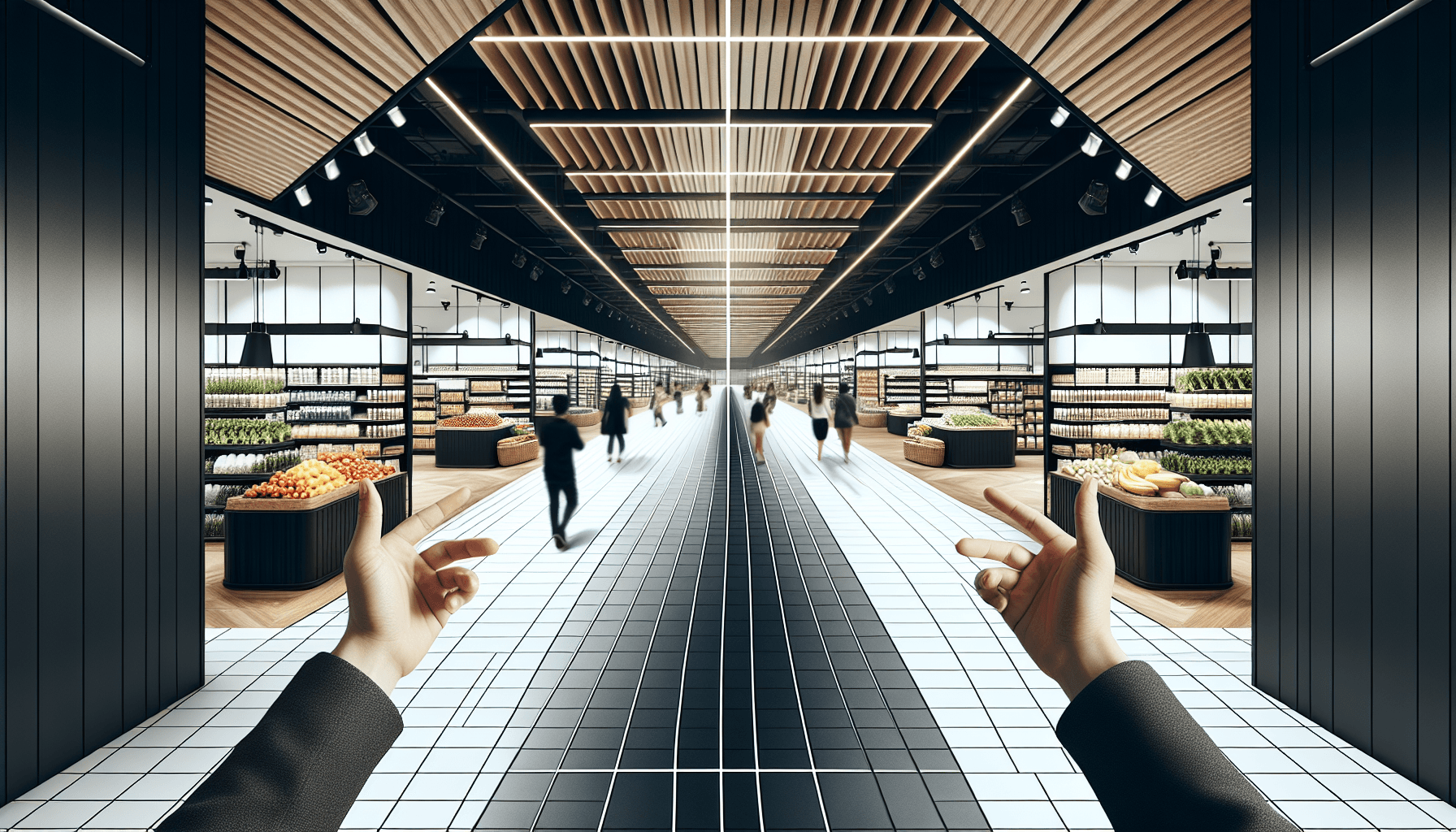
Supermarkets use smaller floor tiles in expensive aisles to increase the frequency of trolley wheel clicks. This auditory trick makes you feel like you are moving too fast, causing you to subconsciously slow down and spend more time looking at high-priced items.
The “Click-Clack” Effect: Why Do Some Supermarkets Use Smaller Floor Tiles in Expensive Aisles to Subconsciously Slow Your Walking Speed?
Have you ever noticed the sound of your shopping trolley change as you turn into the cosmetics or wine aisle? Suddenly, the smooth, silent glide over large polished slabs is replaced by a rapid-fire click-click-click. While you might assume this is merely a decorative choice or a coincidence of store maintenance, it is actually a sophisticated psychological tactic. Retailers are masters of environmental design, using every sensory cue available to influence your behavior. The reason why do some supermarkets use smaller floor tiles in expensive aisles to subconsciously slow your walking speed is rooted in a fascinating intersection of auditory feedback and human pace. This post will explore how this subtle "speed bump" works to increase retail margins.
The Science of Auditory Feedback and Pacing
The primary mechanism behind smaller floor tiles is the relationship between sound and our perception of speed. When a shopping trolley rolls over floor tiles, the wheels hit the grout lines (the gaps between tiles), creating a rhythmic clicking sound.
According to research in environmental psychology, humans subconsciously monitor their walking speed based on the frequency of these sounds. On large tiles, the clicks are spaced far apart, suggesting a leisurely pace. However, in aisles with smaller tiles, the frequency of the clicks increases dramatically. This "auditory illusion" tricks the brain into thinking the trolley is moving much faster than it actually is. To compensate for this perceived rush, shoppers instinctively slow down to achieve a sound frequency that feels "normal."
Targeting High-Margin "Dwell Zones"
Supermarkets do not use smaller tiles throughout the entire store; that would be counterproductive and expensive. Instead, they strategically place them in high-margin "dwell zones." These are areas where the products have a higher price point and a higher profit margin for the retailer.
Common locations for smaller tiles include:
- Health and Beauty: Cosmetics, skincare, and vitamins.
- Alcohol and Spirits: Particularly the premium wine and craft beer sections.
- Electronics: High-value gadgets and accessories.
- Seasonal Displays: Gift sets and luxury holiday items.
In these aisles, the goal is to maximize "dwell time." Retailers know that the longer a customer spends in front of a shelf, the more likely they are to notice premium branding, read product labels, and ultimately make an impulse purchase. By slowing your walking speed by even 10% or 20%, the supermarket significantly increases the window of opportunity for a sale.
The Aesthetic of "Boutique" Flooring
Beyond the auditory trickery, smaller tiles serve a visual and psychological purpose. Large-format tiles are often associated with warehouses, discount stores, and industrial spaces. They signal efficiency and bulk.
Conversely, smaller, more intricate tiling—such as mosaics, herringbone patterns, or smaller squares—subconsciously signals a "boutique" or premium environment. This shift in aesthetics prepares the consumer for higher price points. It changes the shopper's mindset from "efficiently gathering essentials" to "browsing luxury goods." This atmosphere of quality justifies the higher margins found on the items in these specific aisles.
The Broader Context: Sensory Marketing
The use of floor tiles is just one tool in the broader kit of sensory marketing. Retailers manipulate various environmental factors to control consumer movement:
- Lighting: Dimmer, warmer lighting in expensive aisles creates a relaxed, premium feel.
- Music: Studies have shown that slow-tempo music encourages shoppers to linger, while fast-paced music increases foot traffic flow during busy hours.
- Scent: The smell of fresh bread near the entrance or floral scents in the beauty aisle can trigger hunger or nostalgia, leading to higher spending.
Conclusion
The question of why do some supermarkets use smaller floor tiles in expensive aisles to subconsciously slow your walking speed reveals the hidden complexity of the modern shopping experience. By leveraging the way our brains process sound and rhythm, retailers can nudge us to slow down exactly where it is most profitable for them. While these "auditory speed bumps" are invisible, their impact on consumer behavior and retail revenue is very real.
Understanding these tactics allows you to become a more conscious consumer. The next time you hear your trolley wheels begin to chatter more rapidly, take a moment to notice your pace. Being aware of the environment's influence is the first step in making more intentional purchasing decisions rather than letting the floor tiles dictate your speed—and your spending.


