Why does dropping wet food into a hot pan create that loud sizzling sound
That iconic kitchen sizzle is the sound of a surprisingly violent reaction, where thousands of tiny water droplets are instantly exploding into steam on contact.

Too Long; Didn't Read
TLDR: The hot pan instantly boils the water in the food, and the sizzling is the sound of that water rapidly expanding into steam.
The Science of Sizzle: Why Does Dropping Wet Food Into a Hot Pan Create That Loud Sizzling Sound?
Imagine the scene: you're in the kitchen, a pan is heating up on the stove, and as you drop in a piece of marinated steak or a handful of fresh vegetables, the air is instantly filled with a sharp, explosive sizzle. That sound is the unmistakable anthem of a meal in progress, a sound that awakens the appetite and signals that delicious food is on its way. But have you ever paused to wonder what’s actually happening in that pan? That dramatic hiss isn’t just kitchen magic; it’s a fascinating display of physics. This post will break down the science behind that iconic sizzle, exploring the rapid transformation of water that turns your quiet kitchen into a culinary concert hall.
It's All About the Water: The Science of Vaporization
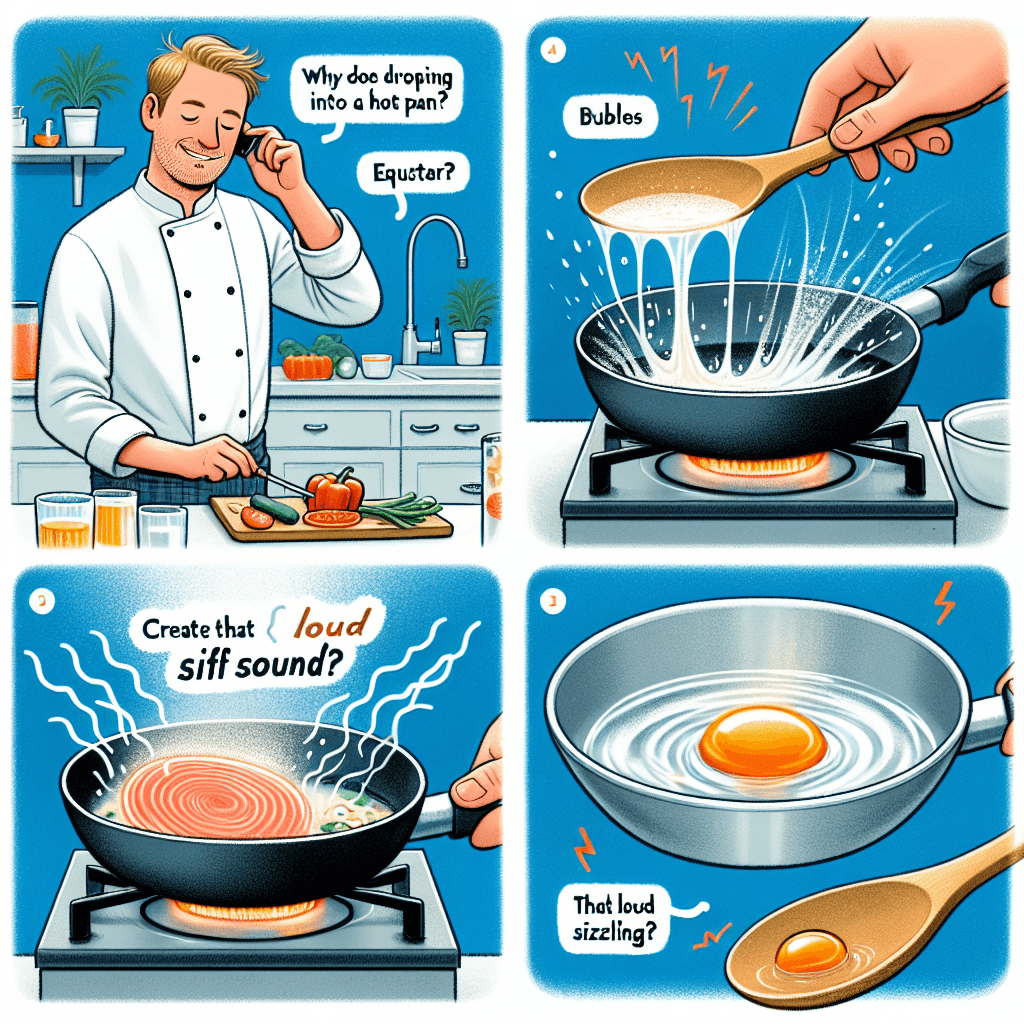
The primary actor in this noisy drama is water. Most foods we cook contain a significant amount of water, whether it’s on the surface from being washed or locked within the food's cells. The loud sizzling sound is the direct result of this water undergoing an incredibly rapid and violent phase transition from a liquid to a gas (steam).
When food touches a pan that is heated well above the boiling point of water (100°C or 212°F), the liquid water on its surface doesn't just slowly evaporate. It boils almost instantaneously. This process, called vaporization, involves a massive expansion in volume. In fact, when water turns into steam, it expands to occupy about 1,700 times its original volume. This sudden, explosive expansion creates a tiny shockwave. The sizzle you hear is not a single sound but the cumulative effect of thousands of these microscopic explosions happening every second as different parts of the food make contact with the hot surface.
The Leidenfrost Effect: A Protective Steam Cushion
If the pan is exceptionally hot—typically above 193°C or 379°F—an even more interesting phenomenon occurs, known as the Leidenfrost effect. You may have seen this in action if you've ever sprinkled water droplets onto a very hot skillet and watched them skitter and dance across the surface instead of boiling away immediately.
Here’s how it works: when the liquid touches the intensely hot surface, the bottom layer vaporizes so quickly that it creates a thin, insulating cushion of steam. This steam cushion temporarily lifts the rest of the liquid (and the food it's on) off the pan, preventing direct contact. The food is essentially floating on a layer of its own steam.
This steam layer is what generates the loud, sustained sizzle. The trapped steam violently escapes from the sides, creating the distinctive hissing noise. The sound is often erratic and popping because this steam cushion is unstable—it constantly collapses and reforms as the food shifts, causing pockets of water to make contact with the pan and burst into steam.
Factors That Change the Sizzle's Tune
Not all sizzles are created equal. The intensity, pitch, and duration of the sound are influenced by several factors, turning each cooking session into a unique acoustic experience.
- Pan Temperature: This is the most crucial factor. A pan just at the boiling point will produce a low, bubbling gurgle. A very hot pan, well into the Leidenfrost range, will create a sharp, aggressive, and loud hiss.
- Water Content: Foods with higher water content, like mushrooms or zucchini, will produce a much louder and more prolonged sizzle than drier foods like a seasoned steak.
- Surface Area: Finely chopped onions, with a large, wet surface area exposed to the pan, will create an immediate and intense sizzle compared to a single, large potato.
- Oil and Fat: Hot oil in the pan helps conduct heat more efficiently to the food's surface, leading to a more vigorous and crackling sizzle as the water vaporizes and interacts with the hot fat.
Conclusion
So, the next time you drop food into a hot pan and hear that satisfying roar, you'll know it's more than just a sign that dinner is coming. It is the sound of pure physics in action—a symphony of countless tiny explosions as liquid water makes its dramatic transformation into steam. This process, governed by the principles of rapid vaporization and often enhanced by the elegant Leidenfrost effect, is not just auditory flair; it is fundamental to cooking techniques like searing, which creates the flavorful crust we love. That kitchen sizzle is a delicious, audible reminder of the incredible science that happens in the most everyday of places.