
Why does the close-door button in most elevators not actually work
That elevator button you frantically press isn't broken; it's a placebo designed to ignore you, and the reason has been hiding in plain sight for decades.

Too Long; Didn't Read
TLDR: The close-door button is a placebo for passengers. Due to accessibility laws like the ADA, doors must stay open for a minimum time. The button is only functional for emergency personnel or maintenance workers using a special key.
Pushing for Nothing? Why Does the Close-Door Button in Most Elevators Not Actually Work?
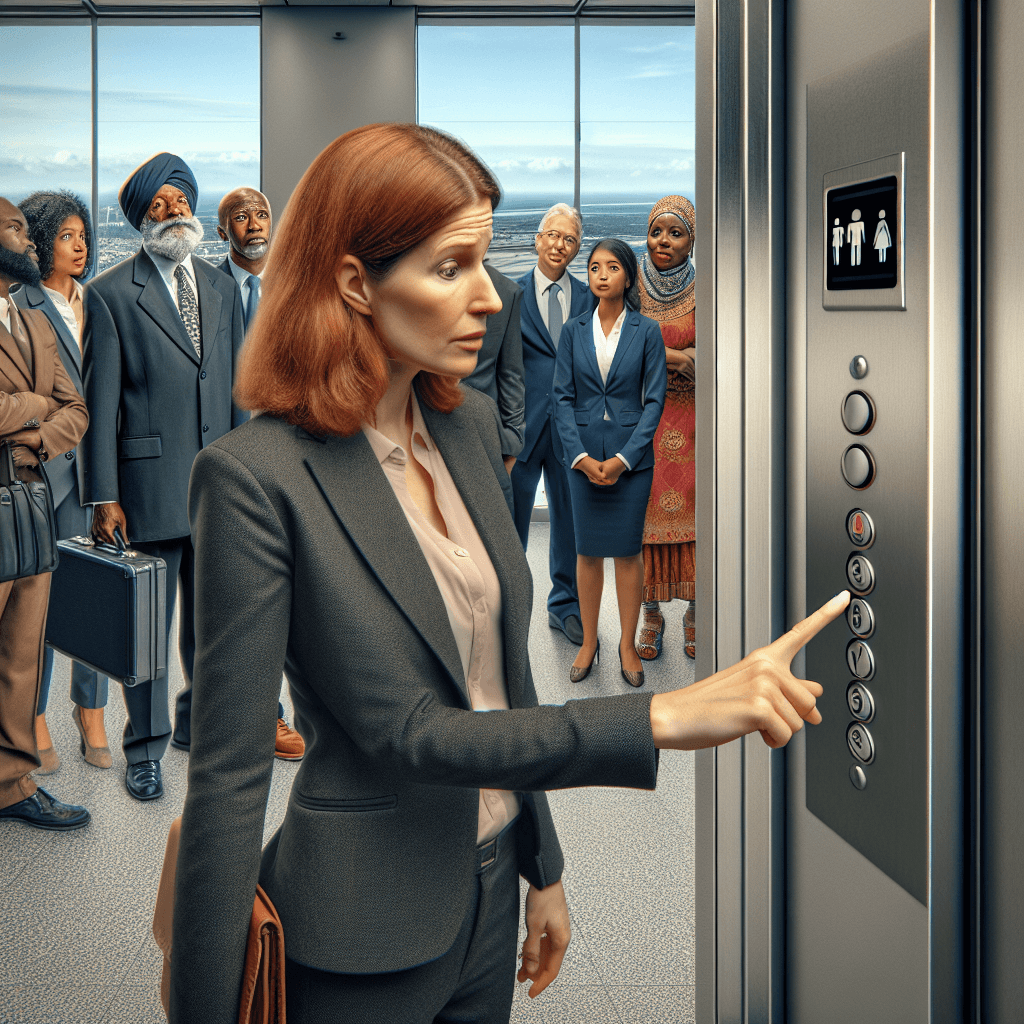
We’ve all been there. You’re running late, you step into an empty elevator, and you frantically jab the ‘close door’ button, hoping to shave a few precious seconds off your journey. Yet, more often than not, the doors seem to operate on their own leisurely schedule, completely ignoring your urgent commands. This common experience has led many to a frustrating conclusion: the button is a lie. And for the most part, you’re right. This isn’t a sign of a broken elevator or a design flaw; it's a deliberate feature with a crucial purpose. This post will delve into the legal and practical reasons why that tempting button is usually just for show.
The Law Steps In: A Mandate for Accessibility
The primary reason the close-door button is non-functional for the general public in most modern elevators, especially in the United States, can be traced back to a landmark piece of civil rights legislation: the Americans with Disabilities Act (ADA) of 1990.
The ADA was designed to ensure equal opportunity and access for people with disabilities in all areas of public life. For elevators, this meant implementing specific features to ensure they could be used safely and independently by everyone. A key provision in the ADA Accessibility Guidelines (ADAAG) addresses the timing of elevator doors. To allow individuals who move more slowly—such as those using wheelchairs, walkers, or crutches—enough time to enter or exit safely, the law mandates that elevator doors must remain fully open for a minimum of three seconds.
This legally required delay effectively overrides the close-door button. The elevator's control system is programmed to adhere to this minimum time, and no amount of button-pushing will make it close any faster. The doors will begin to close automatically only after this accessibility timer has run its course.
The Illusion of Control: A Placebo Effect
So, if the button doesn't work, why is it even there? Psychologists refer to this as a "placebo button." Much like a sugar pill in a medical trial, these non-functional buttons provide an illusion of control. Pressing the button gives impatient passengers a sense of agency—a feeling that they are actively doing something to speed up the process. This small action can reduce anxiety and frustration, even if it has no real-world effect. The button remains as a legacy feature from a pre-ADA era, but its modern function has shifted from mechanical to psychological.
So, Does the Button Ever Work?
While the close-door button is deactivated for public use in most situations, it isn’t entirely useless. It is designed to function under specific, controlled circumstances. There are two primary modes where this button becomes fully operational:
- Fire Service Mode: During an emergency, firefighters can insert a special key to activate "Fireman's Service." This puts the elevator into a manual mode, giving them complete control. In this state, the close-door button works instantly, allowing them to move between floors quickly and safely without any delays.
- Independent Service/Maintenance Mode: Elevator technicians and authorized building personnel also have keys that can place the elevator in a special service mode. This allows them to manually operate the doors for maintenance, inspections, or other specific tasks, such as moving large items.
In these critical scenarios, the button's immediate functionality is essential for safety and operational control, bypassing the standard public settings.
A Feature, Not a Flaw
The next time you’re in an elevator, tempted to repeatedly press that close-door button, remember its hidden purpose. While it may not fulfill your desire for a speedier ride, its non-responsiveness is a quiet testament to a more inclusive and thoughtful design. That slight, legally-mandated pause is not an inconvenience; it is a critical feature that ensures public spaces are accessible and safe for every member of our community. The elevator doors will close when they are ready, and that's a good thing for everyone.


