
Why does the scent of freshly cut grass actually function as a chemical scream to attract predatory insects
That nostalgic scent of freshly cut grass isn’t a summer greeting—it’s a sophisticated chemical distress signal designed to summon an emergency air wing of predatory insects. Step inside the hidden world of plant warfare to discover why your lawn is actually screaming for help.

Too Long; Didn't Read
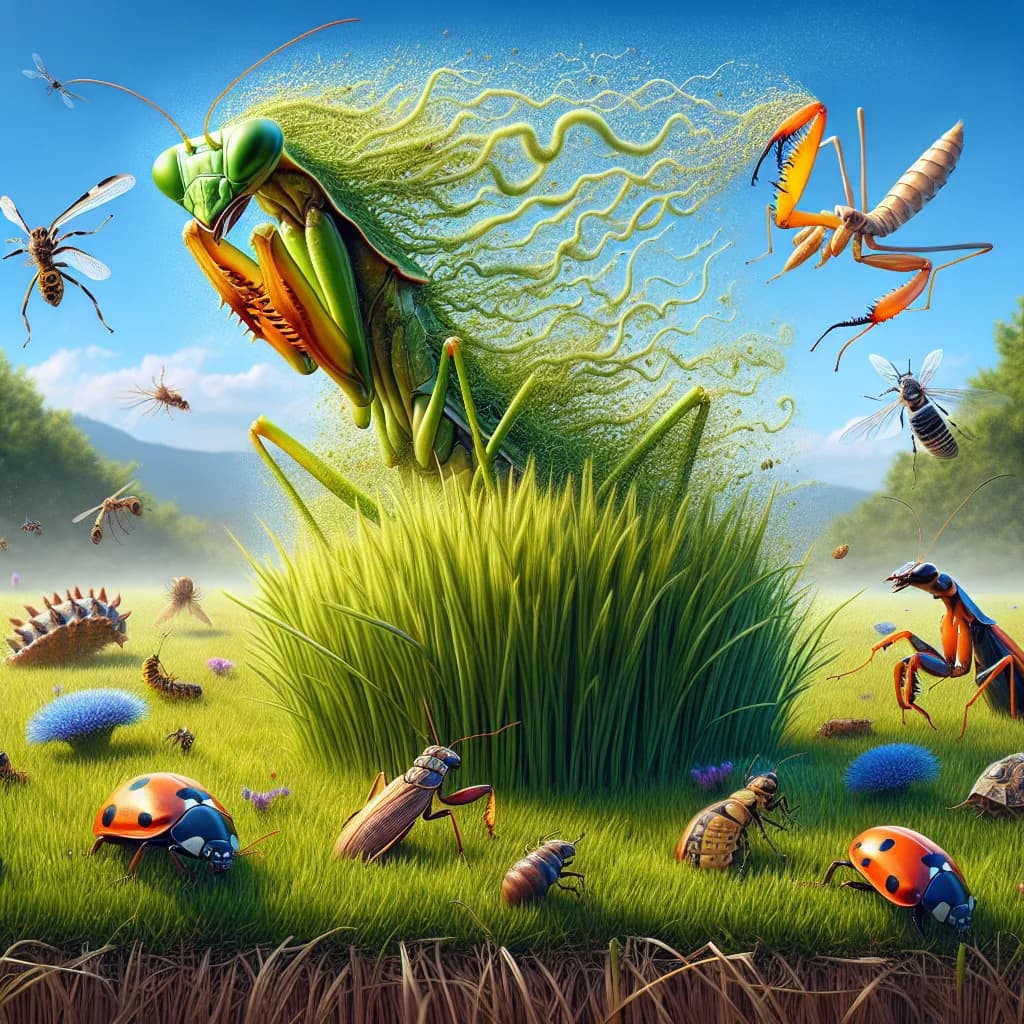
Freshly cut grass releases organic compounds known as green leaf volatiles that function as a distress signal. This chemical scent acts as a biological SOS, attracting predatory insects to attack the herbivores harming the plant, effectively turning the aroma into a sophisticated defense mechanism.
The Secret Language of Lawns: Why does the scent of freshly cut grass actually function as a chemical scream to attract predatory insects?
For many, the smell of a freshly mowed lawn is the quintessential scent of summer—a pleasant, nostalgic aroma that signals outdoor relaxation. However, from a biological perspective, that refreshing fragrance is far from peaceful. It is actually a volatile distress signal released by a plant under attack. Biologists have discovered that this pleasant aroma is a complex survival mechanism, leading many to ask: Why does the scent of freshly cut grass actually function as a chemical scream to attract predatory insects? This blog post explores the fascinating chemistry and evolutionary strategy behind this "aromatic SOS," revealing how plants communicate with the animal kingdom to ensure their survival.
The Chemistry of a "Scream": Green Leaf Volatiles
When grass is cut by a lawnmower—or chewed by a hungry caterpillar—the physical damage to its tissues triggers an immediate chemical response. Within seconds, the plant begins emitting a group of organic compounds known as Green Leaf Volatiles (GLVs). These compounds, primarily consisting of eight-carbon and six-carbon aldehydes and alcohols, are what give cut grass its distinctive, pungent odor.
According to research from the Max Planck Institute for Chemical Ecology, GLVs are not just byproduct waste from cellular damage. Instead, they are synthesized rapidly by enzymes that break down fats (lipids) in the plant’s cell membranes. This process is remarkably similar to how human bodies produce inflammatory signals when injured. In the botanical world, this chemical "scream" serves as the plant's primary method of communicating with its environment.
Calling for Backup: How Predatory Insects Respond
The most sophisticated aspect of this defense mechanism is its targeted nature. The scent acts as a beacon for specific "bodyguards" in the insect world.
- Parasitoid Wasps: Many species of wasps are highly sensitive to GLVs. When they detect the specific chemical signature of a plant under attack, they follow the scent trail to find the herbivore (such as a caterpillar) responsible for the damage. The wasp then lays its eggs inside the herbivore, eventually killing it and saving the plant from further destruction.
- Predatory Mites: In various agricultural studies, researchers have observed that predatory mites use these volatile signals to locate spider mites that are feeding on crops.
- The "SOS" Specificity: Fascinatingly, some plants can alter the "flavor" of their chemical scream depending on what is eating them. A study published in the journal Science suggests that substances in the saliva of certain insects can trigger a different chemical blend, allowing the plant to call for the specific predator that eats that particular pest.
The Tri-Trophic Interaction Strategy
This phenomenon is a classic example of what biologists call a tri-trophic interaction. This describes a three-level ecological system involving the plant (the producer), the herbivore (the consumer), and the predator (the carnivore).
Since plants are sessile—meaning they cannot move to escape danger—they have evolved indirect defense strategies. By releasing GLVs, the plant effectively hires "mercenaries" to do its fighting. This is an incredibly efficient evolutionary trait; the plant spends a small amount of energy producing chemicals, which in turn results in the removal of a threat that could have caused fatal damage.
Why Lawnmowers Trigger the Alarm
If this scent is meant to target caterpillars, why do we smell it so strongly when we mow? The answer lies in the plant's inability to distinguish between a mechanical blade and a biological mouth. To a blade of grass, a lawnmower is simply a massive herbivore causing catastrophic tissue damage. The grass reacts the only way it knows how: by releasing its full arsenal of GLVs in a desperate attempt to summon predators that will never find a "pest" to eat.
Conclusion
Understanding why the scent of freshly cut grass actually functions as a chemical scream to attract predatory insects transforms our perception of nature. What we once viewed as a simple, pleasant aroma is actually a sophisticated emergency broadcast system honed by millions of years of evolution. These Green Leaf Volatiles represent a complex "language" that allows plants to interact with and influence the behavior of the animals around them.
The next time you catch a whiff of a freshly mowed lawn, remember that you are witnessing a silent, chemical battle for survival. This discovery highlights the intricate interconnectedness of our ecosystems and reminds us that even the most common sensory experiences can hide extraordinary biological secrets. For those interested in the hidden lives of plants, this "chemical scream" is just the beginning of understanding how the botanical world fights to stay alive.


