
What is the small hole in a plastic lollipop stick actually for
No, it’s not there to prevent you from choking—the real purpose of that tiny hole is a surprisingly brilliant trick that keeps the entire candy from falling apart.

Too Long; Didn't Read
TLDR: The hole anchors the candy to the stick so it doesn't fall off and also acts as a safety feature to prevent choking if the stick is swallowed.
It's Not a Whistle! So, What is the Small Hole in a Plastic Lollipop Stick Actually For?
Have you ever finished a lollipop and spent the next few minutes trying, with varying degrees of success, to use the hollow plastic stick as a whistle? It’s a nostalgic memory for many of us. We’ve all seen that tiny hole at the top of the stick, just below where the candy used to be. While it can sometimes produce a feeble note, its true purpose has nothing to do with making music. This seemingly insignificant feature is actually a brilliant piece of engineering, designed with two crucial functions in mind: your safety and the structural integrity of the candy itself. This post will unwrap the mystery behind this tiny hole, revealing the clever thinking hidden in one of the world's most popular treats.
The Primary Purpose: A Crucial Safety Feature
The most important reason for that small hole is to prevent choking. It’s a sobering thought, but small, cylindrical objects like lollipop sticks can pose a serious risk if accidentally swallowed, as they can become lodged in the windpipe and block a person's airway.
This is where the tiny hole comes in. Known as a "safety hole," its design ensures that if the stick were to get stuck in someone's throat, a small passage for air would remain. This could provide just enough airflow to allow a person to keep breathing while they receive medical help.
This safety principle isn't unique to lollipops. You may have noticed a similar hole in the caps of many ballpoint pens, like the classic BIC Cristal. Manufacturers added these holes for the exact same reason: to reduce the risk of asphyxiation if the cap is accidentally inhaled. It's a simple, low-cost design choice that has life-saving potential, especially considering that lollipops are primarily enjoyed by children, who are more prone to accidents.
A Helping Hand in Manufacturing: The Anchor Point
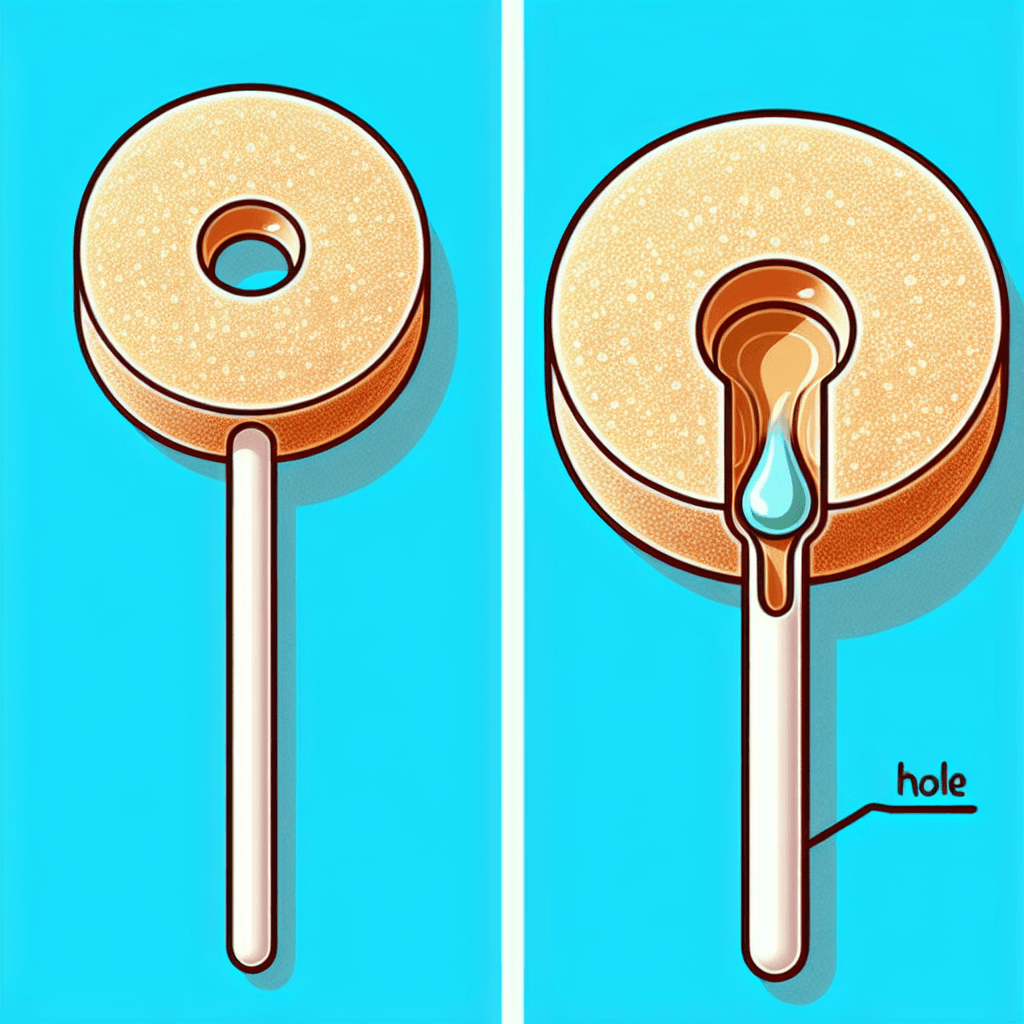
While safety is the primary concern, the hole also plays a vital role in the manufacturing process. It serves as a clever mechanical anchor to keep the candy head firmly attached to the stick.
Here’s how it works:
- The empty, hollow plastic sticks are lined up in molds.
- Hot, molten candy liquid is then poured into the molds, surrounding the top of the stick.
- During this process, a small amount of the liquid candy flows into the hole at the top of the stick.
- As the candy cools and hardens, the portion inside the hole solidifies, creating a secure "lock" or "key."
This small, hardened piece of candy acts as an anchor, mechanically fastening the candy head to the stick. It prevents the candy from easily sliding off, which is not only frustrating for the consumer but is also another safety measure. A hard piece of candy suddenly detaching from its stick could itself become a choking hazard. So, in this way, the hole serves a dual safety purpose—both in manufacturing and in case of accidental swallowing.
Conclusion: A Small Hole with a Big Impact
So, the next time you see that small hole in a plastic lollipop stick, you'll know it's much more than an impromptu whistle. It’s a testament to thoughtful product design where safety and functionality are seamlessly integrated. This simple feature serves two critical purposes: it provides a potential airway in a choking emergency and acts as an anchor to securely attach the candy to the stick during production. It’s a perfect example of how even the most mundane objects around us often contain hidden layers of ingenuity, reminding us that good design is often about the little details that keep us safe.


