
Why do many grocery stores play a sound effect of thunder before misting their fresh produce
That sudden rumble of thunder in the produce aisle isn’t just a warning to keep your sleeves dry—it’s a calculated psychological masterstroke. Discover the fascinating reason grocery stores use artificial storms to trick your brain into thinking produce is fresher than it actually is.

Too Long; Didn't Read
Grocery stores play thunder sound effects to warn shoppers of the coming spray and to subconsciously link the mist with natural rainfall, making the produce seem fresher and more appealing.
The Storm in the Produce Aisle: Why Do Many Grocery Stores Play a Sound Effect of Thunder Before Misting Their Fresh Produce?
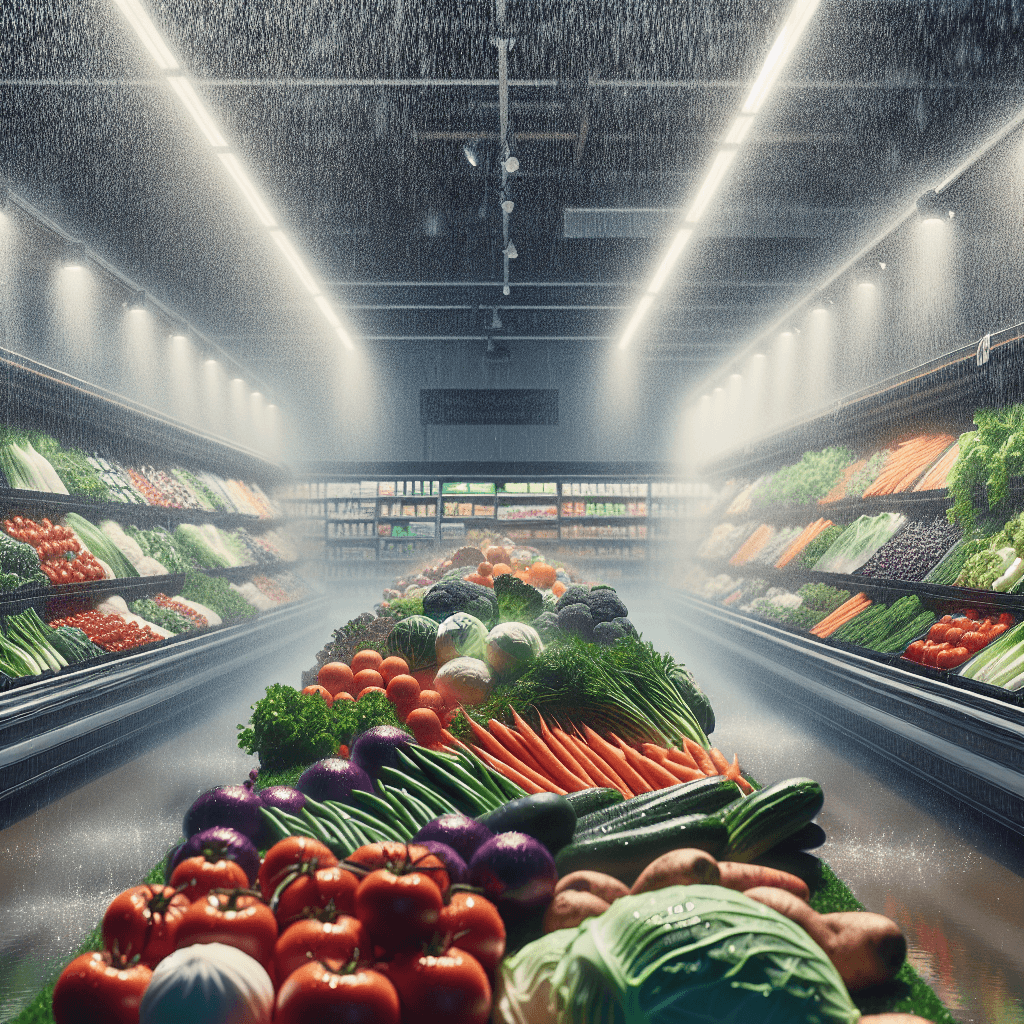
Have you ever been browsing the leafy greens at your local supermarket when, suddenly, the low rumble of a thunderstorm echoes through the aisle? Moments later, a fine cool mist descends upon the kale, carrots, and romaine lettuce. While it might seem like a quirky atmospheric touch, this synchronized sequence of sound and water is a deliberate strategy used by retailers worldwide.
The practice is a fascinating intersection of practical utility and psychological marketing. Grocery stores do not play these sounds by accident; rather, they use them to manage the customer experience and influence purchasing behavior. This post explores the multi-faceted reasons behind the "grocery store storm," from its role as a safety warning to its powerful effect on our perception of freshness and quality.
A Practical Warning: Protecting the Customer
The most immediate and practical reason grocery stores play a thunder sound effect is to provide a "courtesy warning." Automatic misting systems are designed to keep produce hydrated, but the spray can easily catch an unsuspecting shopper off guard.
- Avoiding the Soak: Without a signal, a customer reaching for a bunch of cilantro might end up with damp sleeves or wet glasses. The thunder serves as a universal audio cue that water is about to be released, allowing shoppers to step back.
- Safety and Liability: Beyond personal comfort, misting can occasionally lead to droplets landing on the floor. By alerting customers to the misting cycle, stores help shoppers stay aware of their surroundings, potentially reducing the risk of slips or falls in the produce department.
The Psychology of Freshness
While the warning is functional, the choice of thunder specifically is deeply rooted in sensory marketing. Retailers aim to create an environment that triggers specific emotional responses in consumers.
The Connection to Nature
Human beings naturally associate rain and thunder with the outdoors and life-giving hydration. According to retail psychology experts, playing the sound of a storm reinforces the "halo effect" of the produce. When you hear thunder and see mist, your brain subconsciously links the vegetables to a garden or a farm immediately following a rainstorm. This makes the produce feel "farm-fresh" rather than "warehouse-stored."
Enhancing Visual Appeal
The misting process itself creates tiny droplets on the surface of the vegetables. These droplets catch the overhead grocery store lights, making the produce shimmer. This visual "dew" is highly attractive to shoppers, as it signals that the plant is turgid and full of moisture. The thunder sound serves as the "opening act" for this visual display, drawing the shopper’s attention to the produce aisle right when it looks its most appetizing.
The Science of Misting: Beyond the Sound
The thunder sound is the psychological hook, but the misting itself serves several critical commercial purposes. Understanding why stores mist in the first place helps explain why they want to draw your attention to it.
- Weight Maintenance: Most produce is sold by weight. Vegetables, particularly leafy greens, lose water through a process called transpiration once they are harvested. By misting the vegetables, stores prevent them from drying out and losing weight, which directly protects the store's profit margins.
- Hydration and Longevity: Misting helps maintain the "crispness" of the vegetables. When a plant stays hydrated, its cell walls remain firm. This prevents wilting and extends the "shelf life" appearance of the items, even if the actual nutritional degradation continues at the same pace.
The "Irony" of Misting
Interestingly, while misting makes produce look better, it can sometimes be counterproductive. Agricultural studies suggest that excessive moisture can actually promote the growth of bacteria and mold, potentially causing the produce to rot faster than if it were kept dry. However, the marketing benefit of looking fresh usually outweighs the risk of spoilage for high-turnover items.
Retail as Theater
Modern grocery shopping is often described by industry analysts as "retail theater." Because supermarkets are highly competitive, they use sensory cues—smell (freshly baked bread), sight (brightly colored displays), and sound (thunder and music)—to create an engaging experience. The thunder-and-mist sequence is a classic example of this. It breaks the monotony of shopping and creates a memorable, sensory-rich environment that encourages shoppers to linger in the produce section, where profit margins are often higher than in the canned goods aisles.
Conclusion
The next time you hear a storm brewing near the broccoli, you can appreciate the complex strategy at play. The thunder sound effect is a clever blend of customer courtesy and psychological priming. It warns you to keep your sleeves dry while simultaneously convincing your brain that the produce is as fresh as if it were just plucked from a rain-soaked field.
By appealing to our senses and our subconscious associations with nature, grocery stores transform a simple maintenance task into a powerful marketing tool. It serves as a reminder that in the world of retail, every detail—even a brief sound effect—is designed to enhance the shopping experience and reinforce the perceived quality of the products we buy.


