
Why do some species of birds use cigarette butts as a tool to protect their nests
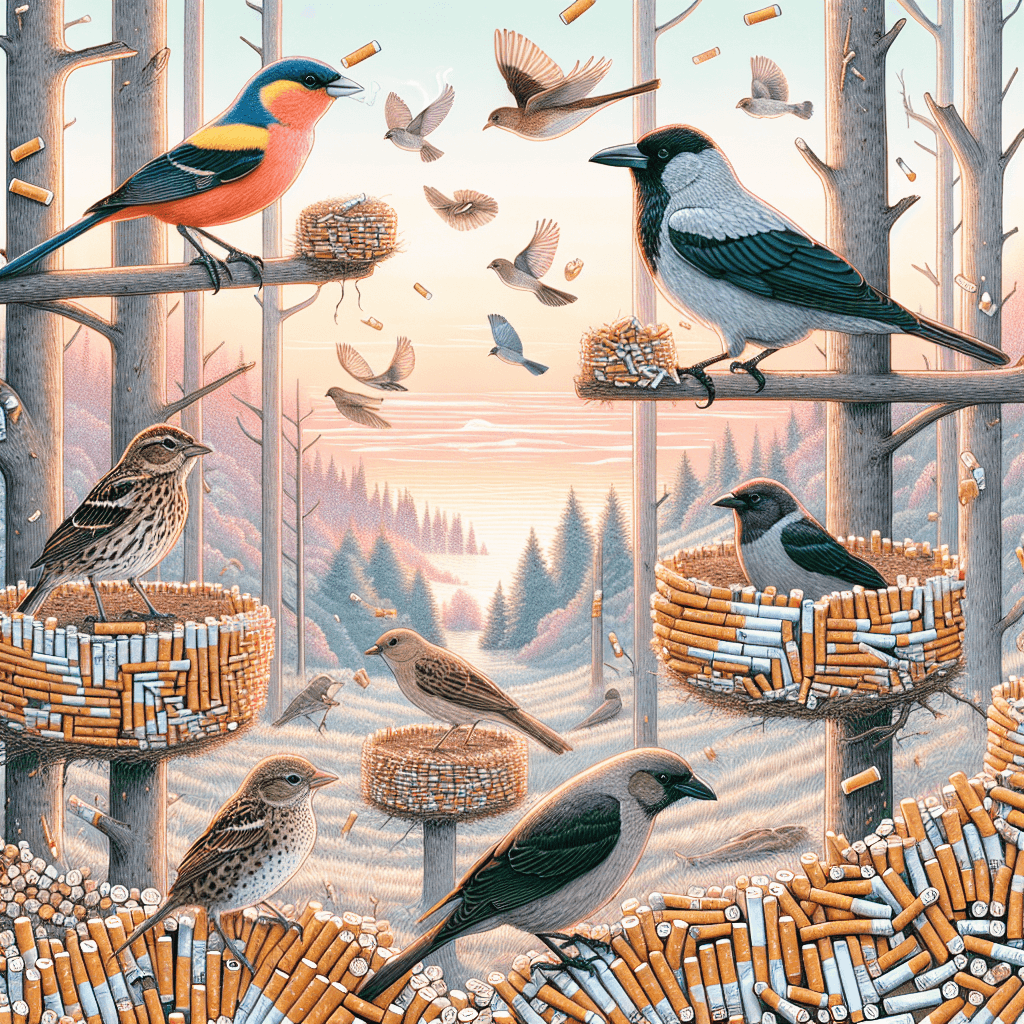
While we see toxic litter, urban birds have discovered a secret chemical weapon hidden within discarded cigarette filters. Discover the fascinating—and slightly bizarre—reason why these birds are "recycling" our habits to safeguard their nests from deadly parasites.

Too Long; Didn't Read
Some bird species incorporate cigarette butts into their nests because the nicotine residue acts as a natural pesticide, repelling parasitic mites and protecting the health of their chicks.
Nature’s Urban Adaptation: Why Do Some Species of Birds Use Cigarette Butts as a Tool to Protect Their Nests?
In the heart of bustling cities, nature often finds ingenious, if slightly bizarre, ways to adapt to human-altered environments. While we typically view discarded cigarette filters as unsightly litter and an environmental hazard, certain avian residents see them differently. Researchers have observed house finches and house sparrows meticulously weaving these cellulose acetate fibers into the lining of their nests. This behavior isn’t a mistake of identity or a lack of cleaner materials; rather, it is a calculated survival strategy. But why do some species of birds use cigarette butts as a tool to protect their nests? This post explores the biological mechanisms, research findings, and the complex trade-offs behind this fascinating urban phenomenon.
The Discovery of "Nicotine Nests"
The phenomenon first gained significant scientific attention through the work of researchers at the National Autonomous University of Mexico. Led by Constantino Macías Garcia, the team noticed that urban birds, particularly house finches (Haemorhous mexicanus), were incorporating significant amounts of cigarette butt material into their nests.
Initial observations suggested that this wasn’t merely about structural integrity or insulation. Instead, the birds appeared to be practicing a form of "self-medication" or "chemical defense." By analyzing the composition of these nests, scientists discovered a direct correlation between the presence of cigarette filters and a reduction in nest-dwelling pests.
The Science of Self-Medication: Nicotine as a Natural Pesticide
The primary reason why some species of birds use cigarette butts as a tool to protect their nests is the chemical composition of the tobacco plant. Nicotine is a potent neurotoxin that evolved in plants as a natural defense mechanism to deter herbivorous insects.
When birds line their nests with discarded filters, they are effectively repurposing this chemical defense. In urban environments, bird nests are often infested with ectoparasites, such as:
- Mites: Which can cause skin irritation and anemia in chicks.
- Ticks: Which spread diseases and weaken the immune systems of developing birds.
- Lice: Which feed on feathers and skin, causing significant stress to the brood.
According to a study published in the journal Biology Letters, researchers found that nests containing the highest amounts of nicotine from cigarette butts had the lowest numbers of parasitic mites. The residual nicotine in the filters acts as a repellent, creating a hostile environment for these tiny intruders and increasing the immediate comfort and survival chances of the hatchlings.
Evidence from the Field
To confirm that the birds were specifically seeking out the chemical properties rather than just soft material, the Mexican research team conducted experiments using heat traps. These traps, which mimic the warmth of a brood to attract parasites, were outfitted with both smoked and unsmoked cigarette filters.
The results were telling:
- Smoked Butts: Traps containing smoked filters (which contain high levels of nicotine residue) attracted significantly fewer mites.
- Unsmoked Butts: Traps with unsmoked filters (containing no nicotine residue) showed much higher levels of infestation.
This evidence supports the theory that birds are specifically attracted to the chemical properties of "used" filters. It echoes a behavior seen in rural birds, such as starlings, which often weave aromatic green plants—like lavender or mint—into their nests to utilize their natural insecticidal properties. In the urban "concrete jungle," cigarette butts appear to be the man-made equivalent of these medicinal plants.
A Double-Edged Sword: The Risks of Toxic Architecture
While the use of cigarette butts provides a clear advantage in pest control, it comes with a significant biological cost. Nicotine and the other heavy metals trapped in cigarette filters (such as lead and arsenic) are toxic to vertebrates as well as insects.
Research has indicated that chicks raised in nests lined with cigarette filters often show signs of:
- Genotoxicity: The chemicals can cause damage to the birds' DNA.
- Chromosomal Abnormalities: Higher exposure levels are linked to cellular stress.
- Weakened Development: While the chicks may avoid mite bites, their long-term health and reproductive success may be compromised by the constant exposure to industrial toxins.
Conclusion
Understanding why do some species of birds use cigarette butts as a tool to protect their nests? reveals the complex and often paradoxical nature of urban evolution. Birds have successfully identified a human waste product that functions as a powerful pesticide, helping them solve the immediate threat of nest parasites. However, this adaptation forces a difficult trade-off between short-term survival and long-term physiological health.
As we continue to study these urban pioneers, this behavior serves as a stark reminder of how wildlife must constantly innovate to survive in our wake. While the ingenuity of these birds is impressive, the long-term impacts of nesting in toxic waste remain a critical area for future ecological research. For those interested in urban ecology, observing these "nicotine nests" provides a unique window into the resilient, yet fragile, balance of life in the modern world.


