
Why does a healing wound often feel incredibly itchy
That maddening itch isn't a sign of trouble; it's the feeling of a microscopic construction crew of nerves and new cells rebuilding your skin from the ground up.

Too Long; Didn't Read
TLDR: Healing wounds itch because sensitive new nerve fibers are regrowing and misfiring signals. Your body also releases chemicals like histamine to aid healing, which irritates these nerves, and the skin stretching under the scab adds to the sensation.
The Unscratchable Itch: Why Does a Healing Wound Often Feel Incredibly Itchy?
It’s a sensation we all know far too well. You get a cut, a scrape, or a surgical incision. After the initial pain subsides, a new, almost more maddening, feeling takes its place: an intense, persistent itch. You know you shouldn’t scratch it, but the urge can be overwhelming. This healing itch, known medically as pruritus, isn’t just your imagination or a sign of a problem; it's a complex and fascinating signal that your body's repair systems are working overtime. This post will delve into the science behind the healing itch, exploring the intricate biological processes that turn a site of injury into an epicenter of itchiness.
The Busy World Beneath the Scab
To understand the itch, we first need to appreciate the incredible construction project happening under your skin. Wound healing is a highly organized process that occurs in distinct, overlapping phases. The itch doesn't usually show up during the initial clotting and inflammation stages but rather makes its grand entrance during the later phases.
- Proliferation Phase: This is where the magic of rebuilding happens. Your body sends in specialized cells called fibroblasts to create a new foundation of collagen and connective tissue. New blood vessels form, and skin cells (keratinocytes) migrate across the wound to close it up.
- Maturation Phase: In this final stage, the newly formed tissue is remodeled and strengthened. The temporary collagen is replaced with a stronger type, and the scar slowly fades and flattens.
It is primarily during these two dynamic phases that the biological signals get crossed, leading to that familiar itchy sensation.
Key Culprits Behind the Healing Itch
The itch isn't caused by a single factor but is rather a perfect storm of chemical, mechanical, and neurological signals.
### Nerve Regeneration and Mixed Signals
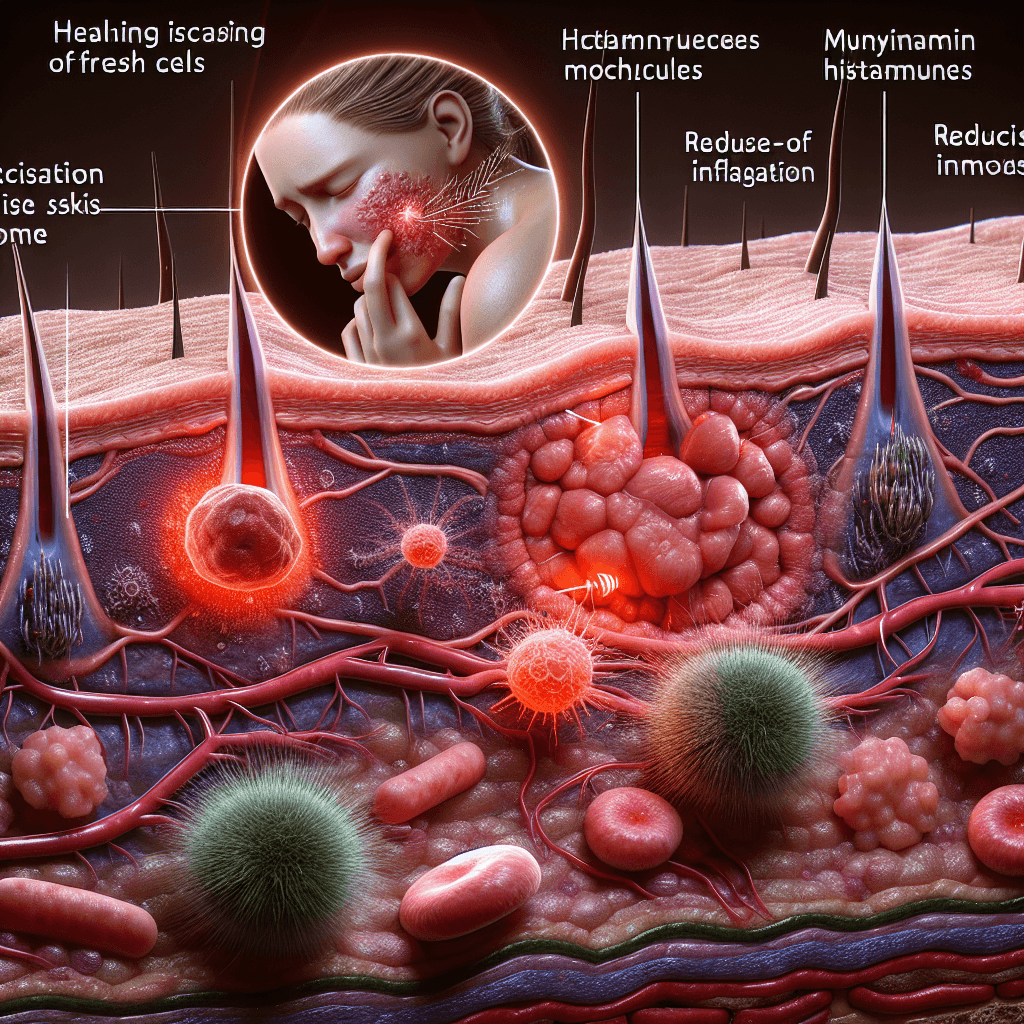
Your skin is threaded with a dense network of nerve fibers that sense everything from pressure and temperature to pain. When you get a wound, these delicate nerves are damaged or severed. During the proliferation phase, these nerves begin to regrow and re-establish connections.
As these new nerve endings sprout, they are often hypersensitive and disorganized. They fire off signals to the brain somewhat erratically. Research published in journals like the Journal of Investigative Dermatology suggests that the brain can sometimes misinterpret these intense healing signals. Instead of registering them as low-level pain or simple regeneration, the brain processes them as an itch. There's significant "crosstalk" between pain and itch nerve pathways, and during healing, the itch signal often wins out.
### The Histamine Effect
If you've ever had an allergic reaction or a mosquito bite, you're familiar with histamine. This chemical compound is released by immune cells called mast cells in response to injury or allergens. During the early stages of wound healing, histamine plays a crucial role by increasing blood flow to the area, which helps deliver repair cells.
However, a well-known side effect of histamine is its ability to directly stimulate the C-fibers—nerve fibers specifically associated with itching. While the major histamine release happens early on, it can persist at lower levels as healing continues, contributing to the ongoing itchy feeling.
### The Scab Factor: Dryness and Tension
A scab is nature’s perfect bandage, protecting the vulnerable new skin underneath. But as the skin cells beneath it multiply and the wound contracts, the scab dries out, shrinks, and becomes stiff.
This shrinking process exerts a physical pulling force on the new, sensitive skin and nerve endings around the wound's edges. This mechanical stress is a powerful trigger for the itch-sensing nerves. This is also why dry skin, in general, is often itchy; the area around a healing wound is particularly prone to dryness, amplifying the sensation.
Conclusion: A Good Sign in Disguise
While undeniably annoying, an itchy wound is most often a positive sign. It’s a tangible sensation telling you that your body’s intricate healing machinery is functioning exactly as it should be. Nerves are regenerating, new skin is forming, and the entire area is a bustling hub of cellular activity. The itch is simply a byproduct of this complex and miraculous process of repair. So, the next time you feel that unscratchable itch, try to resist scratching, which can damage the delicate new tissue. Instead, take a moment to appreciate it as a message from your body that the healing is well underway.


