When pet guinea pigs feel extremely happy, why do they perform a frantic jumping behavior known as popcorning
If you’ve ever seen your guinea pig suddenly explode into a series of wild, mid-air leaps, you’ve witnessed the mysterious phenomenon known as "popcorning." Dive into the adorable science behind this chaotic display of pure, unadulterated happiness and learn what your pet is really trying to tell you.

Too Long; Didn't Read
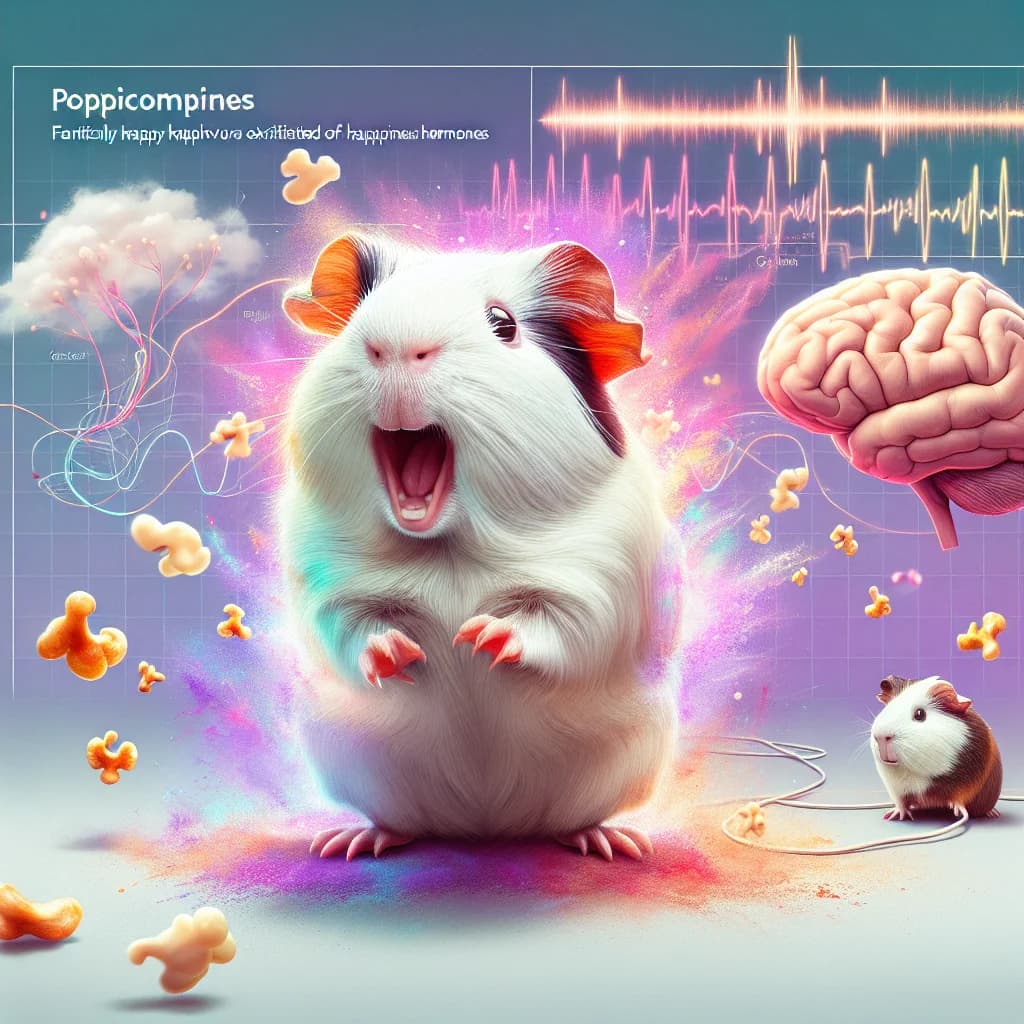
Popcorning is a frantic jumping and twisting behavior guinea pigs perform to express extreme joy, excitement, or high energy. It is a natural physical manifestation of happiness, most common in young cavies, signaling they feel safe and content in their environment.
The Science of Cavy Joy: When pet guinea pigs feel extremely happy, why do they perform a frantic jumping behavior known as popcorning?
Guinea pigs, or Cavia porcellus, are among the most expressive small mammals in the pet world. Domesticated thousands of years ago in the Andean region of South America, these social rodents have developed a complex repertoire of vocalizations and physical displays to communicate their internal states. Perhaps the most endearing and puzzling of these behaviors is "popcorning." This behavior involves a guinea pig suddenly leaping into the air, often twisting its body, kicking its legs, and landing with a frantic energy that resembles a kernel of corn bursting in a hot pan.
Understanding when pet guinea pigs feel extremely happy, why do they perform a frantic jumping behavior known as popcorning? is vital for any owner. This behavior is more than just a quirky movement; it is a primary indicator of animal welfare and a testament to the strong human-animal bond. This post explores the biological, evolutionary, and psychological drivers behind this unique display of cavy exuberance.
Defining the "Popcorn" Phenomenon
In veterinary and ethological terms, popcorning is classified as a form of "locomotor play." This behavior is characterized by sudden, vigorous movements that serve no immediate survival purpose, such as foraging or escaping a predator. When a guinea pig "popcorns," it exhibits a rapid burst of energy that includes:
- Vertical Leaping: Jumping straight up with all four feet off the ground.
- Mid-air Twisting: Changing direction or jerking the head and body while in flight.
- Repetitive Bursts: Performing several jumps in quick succession, often accompanied by high-pitched vocalizations like "wheeking."
The Biological "Why": High-Intensity Play and Arousal
The primary reason guinea pigs popcorn is to release a surge of positive emotional arousal. Biologically, this is linked to the release of endorphins and dopamine in the brain. When a guinea pig's environment meets or exceeds its needs for safety, social interaction, and nutrition, the brain signals a state of high-intensity pleasure.
Zoologists categorize this as "surplus energy theory." Because domestic guinea pigs do not need to spend their energy fleeing predators or searching for scarce resources, they channel that physical energy into play. Popcorning is the most efficient way for a small rodent to express this physiological peak.
Triggers for Popcorning
While popcorning is an innate behavior, it is typically triggered by specific environmental stimuli that enhance the animal’s sense of well-being:
- Fresh Forage: The introduction of fresh hay, leafy greens, or a favorite treat often triggers immediate leaps.
- Enclosure Maintenance: Guinea pigs frequently popcorn when returned to a clean cage with fresh bedding, as the new scents and textures provide sensory enrichment.
- Social Interaction: Seeing a bonded cage mate or a familiar human can spark a "popcorn" chain reaction, particularly in younger specimens.
- Increased Space: Providing "floor time" outside of their standard enclosure allows for greater range of motion, encouraging more frequent jumping.
Age and Frequency: The Role of Development
There is a distinct correlation between the age of a guinea pig and the frequency of its popcorning. Juvenile guinea pigs (pups) are prolific popcorners. Their bodies are lighter, more elastic, and they have higher baseline energy levels. As guinea pigs age and gain weight, their "popcorns" may become less frequent or transition into a "mini-popcorn," which is a slight shimmy or a small hop. In older adults, the behavior is a sign of excellent joint health and a youthful spirit.
Differentiating Play from Medical Issues
While popcorning is almost always a sign of joy, owners must distinguish it from other movements. If a guinea pig is scratching frantically or jumping while trying to bite at its back, it may be suffering from ectoparasites like mites (Trixacarus caviae), which cause intense pruritus (itching).
Additionally, sudden movements should be differentiated from seizures. A popcorning guinea pig remains upright, alert, and quickly returns to normal activity, whereas a seizing animal will lose muscular control and appear disoriented.
Conclusion
Understanding when pet guinea pigs feel extremely happy, why do they perform a frantic jumping behavior known as popcorning? allows owners to better monitor their pets' emotional health. This frantic, joyful jumping is a definitive sign that a guinea pig feels safe, stimulated, and well-cared for. By recognizing popcorning as an essential expression of locomotor play and emotional release, owners can more effectively tailor their husbandry practices to promote these moments of peak happiness.
Providing ample space, a consistent diet of high-quality Timothy hay, and regular social interaction are the best ways to ensure your cavy continues to perform its signature leap of joy. If you notice a sudden cessation of play behavior in a young guinea pig, it is always wise to consult a specialized exotics veterinarian to ensure your pet remains in optimal health.