Why do pet rats produce ultrasonic giggles that are the biological equivalent of human laughter when they are tickled
Beyond the range of human hearing, your pet rat is likely bursting into fits of joyful laughter every time you play. Discover the remarkable science behind these ultrasonic giggles and why they prove our tiny companions share a much deeper emotional bond with us than we ever realized.

Too Long; Didn't Read
Pet rats produce high-frequency ultrasonic chirps when tickled because these vocalizations trigger the same reward circuits and dopamine releases as human laughter. This biological response indicates a state of joy and social bonding, allowing researchers to study the evolutionary roots of positive emotions and play.
The Science of Joy: Why Do Pet Rats Produce Ultrasonic Giggles That Are the Biological Equivalent of Human Laughter When They Are Tickled?
For decades, the image of the laboratory or pet rat was one of clinical silence or high-pitched, frantic squeaking. However, in the late 1990s, neuroscientist Jaak Panksepp discovered a hidden world of rodent emotion that forever changed our understanding of mammalian biology. He found that when rats engage in play or are gently tickled by humans, they emit rapid-fire, high-frequency vocalizations. These sounds are not merely random noises; they are the biological equivalent of human laughter. Understanding why do pet rats produce ultrasonic giggles that are the biological equivalent of human laughter when they are tickled is essential for modern pet owners. It offers a window into their complex emotional lives and provides a scientific basis for enhancing animal welfare through social enrichment and positive reinforcement.
The Discovery of the 50-kHz Chirp
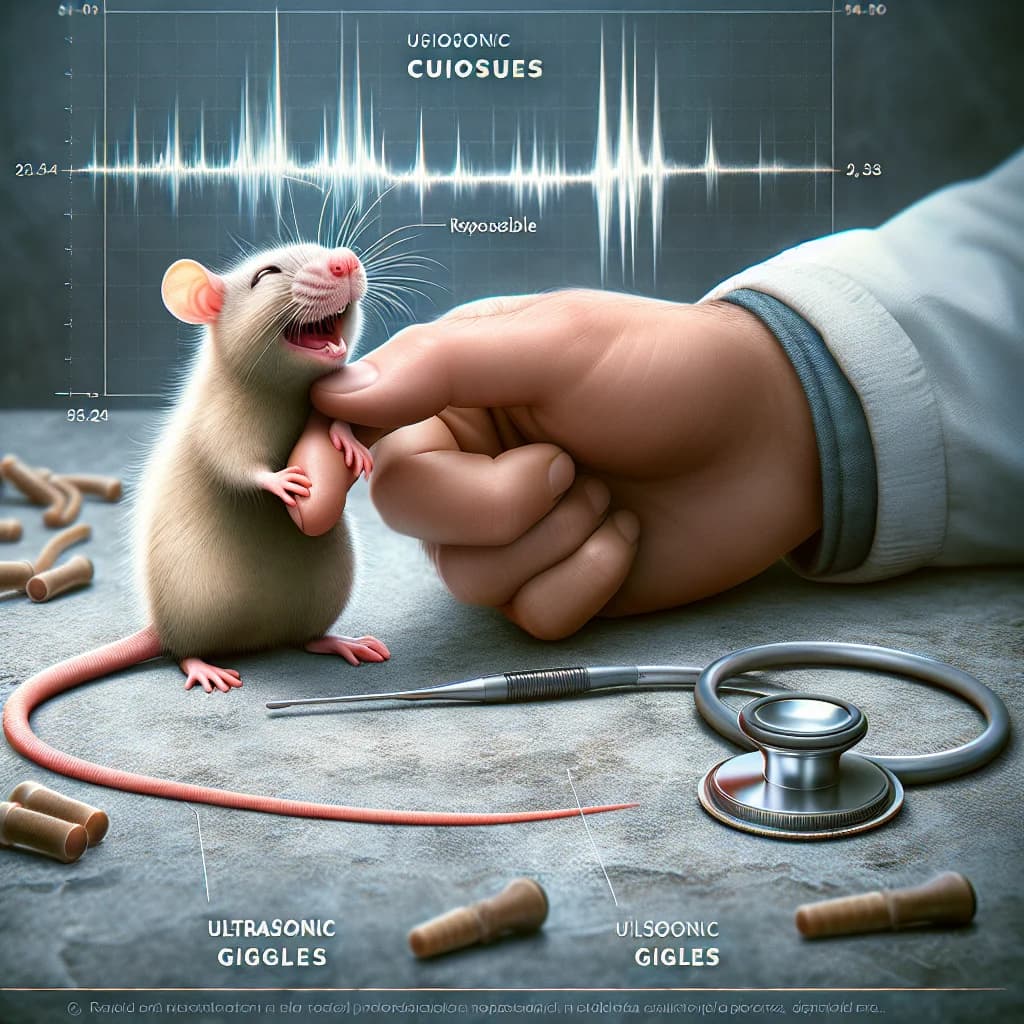
The phenomenon of rat "laughter" was first identified through the use of bat detectors—devices capable of picking up ultrasonic frequencies. Researchers noticed that during rough-and-tumble play, rats emitted short, 50-kilohertz (kHz) chirps. Unlike the long, low-frequency 22-kHz whistles used to signal distress or the presence of a predator, these 50-kHz vocalizations were exclusively associated with positive social interactions.
Panksepp’s breakthrough occurred when he mimicked the play behavior of rats using his fingers to "tickle" them, specifically targeting the nape of the neck. The rats responded with a flurry of these 50-kHz chirps and would actively seek out the researcher's hand for more, displaying a behavior known as "prosocial solicitation."
The Biological Link: Why It Is Considered Laughter
To classify a sound as "laughter," scientists look for more than just a pleasant noise; they look for specific neurobiological markers. The ultrasonic giggles of a rat meet several criteria that align them with human laughter:
- Dopaminergic Pathways: Research indicates that these chirps are modulated by dopamine, the brain's "reward" chemical. When a rat is tickled, the mesolimbic dopamine system—the same system that processes pleasure in humans—is activated.
- Brain Structure: The vocalizations originate in subcortical regions of the brain, such as the amygdala and the nucleus accumbens, which are evolutionarily ancient areas responsible for emotional processing.
- Emotional Contagion: Much like human laughter, these vocalizations can be "contagious" among bonded rat pairs, reinforcing a shared positive emotional state.
Evolutionary Purpose and Social Function
In the wild and in domestic settings, these ultrasonic giggles serve a vital evolutionary purpose. Rats are highly social creatures, and play is the primary way they learn social boundaries and motor skills.
Strengthening Social Bonds
The 50-kHz chirps act as a social lubricant. By signaling that "this is just play" rather than an actual fight, the giggles prevent misunderstandings that could lead to injury. This helps maintain colony cohesion and reduces stress within the group.
Reducing Anxiety
Studies have shown that rats that "giggle" more frequently tend to be more resilient to stress. The act of playful vocalization helps regulate the hypothalamic-pituitary-adrenal (HPA) axis, which manages the body's response to fear and environmental pressure.
Practical Implications for Pet Owners
Recognizing that pet rats experience joy and express it through ultrasonic giggles has significant implications for their care and husbandry. While humans cannot hear these sounds without specialized equipment, we can observe the behavioral indicators of a "giggling" rat:
- The "Popcorn" Jump: Also known as joy-jumping, this involves sudden, frantic leaps into the air during play.
- Hand Chasing: If a rat is enjoying a tickling session, they will often chase the owner's hand when it is pulled away.
- Relaxed Body Language: A happy, "laughing" rat will have relaxed ears and a soft gaze.
Ethologists recommend incorporating "tickle play" into a rat’s daily routine to strengthen the human-animal bond. However, it is important to handle rats gently and follow their lead; not every rat has the same "tickle threshold," and individual personalities vary.
Conclusion
Understanding why do pet rats produce ultrasonic giggles that are the biological equivalent of human laughter when they are tickled provides profound insight into the sentience of these small mammals. These 50-kHz vocalizations are more than just biological curiosities; they are a clear indicator of a rat’s internal emotional state, driven by the same dopaminergic pathways that govern human joy. By acknowledging the science behind these ultrasonic chirps, pet owners can move beyond outdated stereotypes and foster a deeper, more empathetic relationship with their companions. Prioritizing play and social enrichment is not just a luxury—it is a biological necessity for a healthy, happy rat. Always observe your pet’s unique cues and consult with a specialized exotic veterinarian to ensure their behavioral and physical needs are being met.