

Pet Articles
Explore our collection of fascinating pet articles covering dogs, cats, birds, fish, and more.

Why do pet dogs possess a specialized heat-sensing ability in their nose to detect the warmth of nearby animals?
Dogs possess a specialized heat-sensing ability in their noses, likely inherited from wolf ancestors, to detect the thermal radiation emitted by warm-blooded animals. This biological adaptation acts as a sensory tool for tracking prey or identifying nearby creatures even when visual or auditory cues are unavailable.

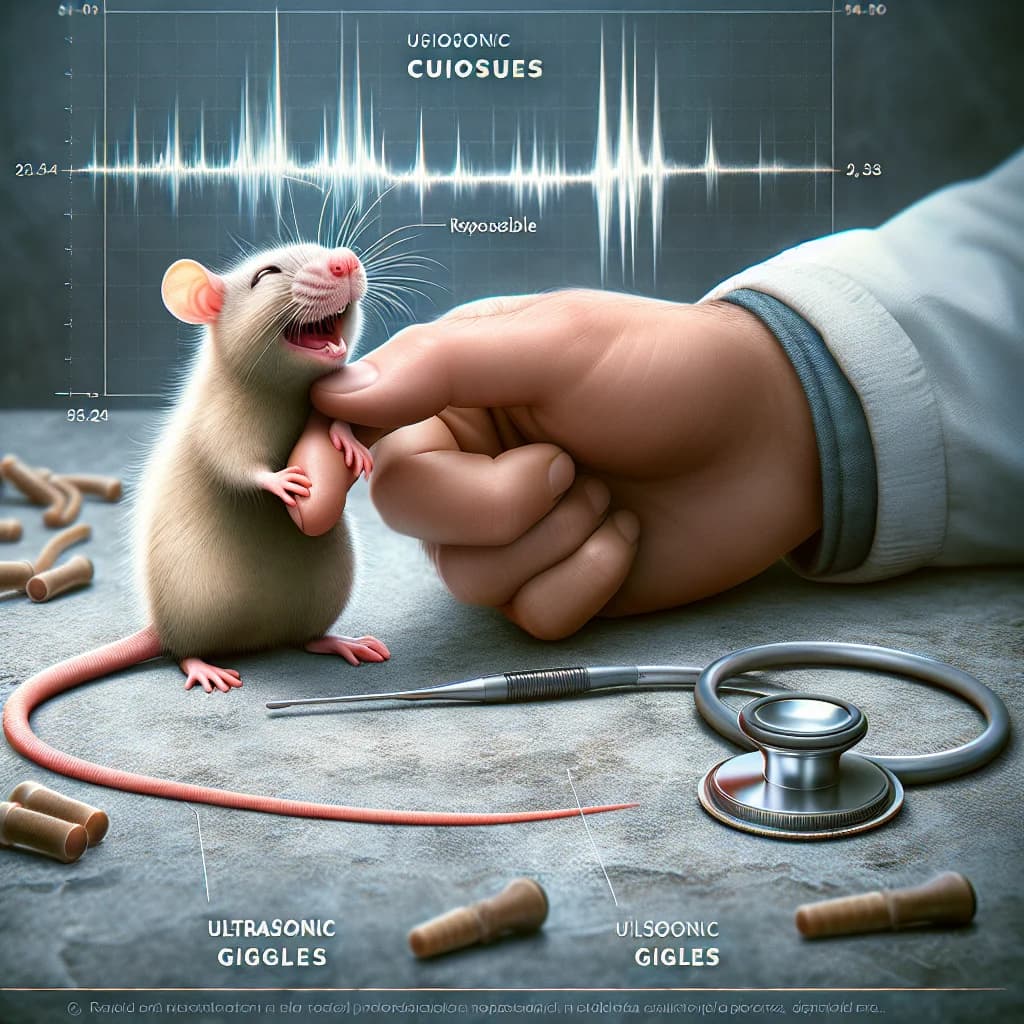
Why do pet rats produce ultrasonic giggles that are the biological equivalent of human laughter when they are tickled?
Pet rats produce high-frequency ultrasonic chirps when tickled because these vocalizations trigger the same reward circuits and dopamine releases as human laughter. This biological response indicates a state of joy and social bonding, allowing researchers to study the evolutionary roots of positive emotions and play.
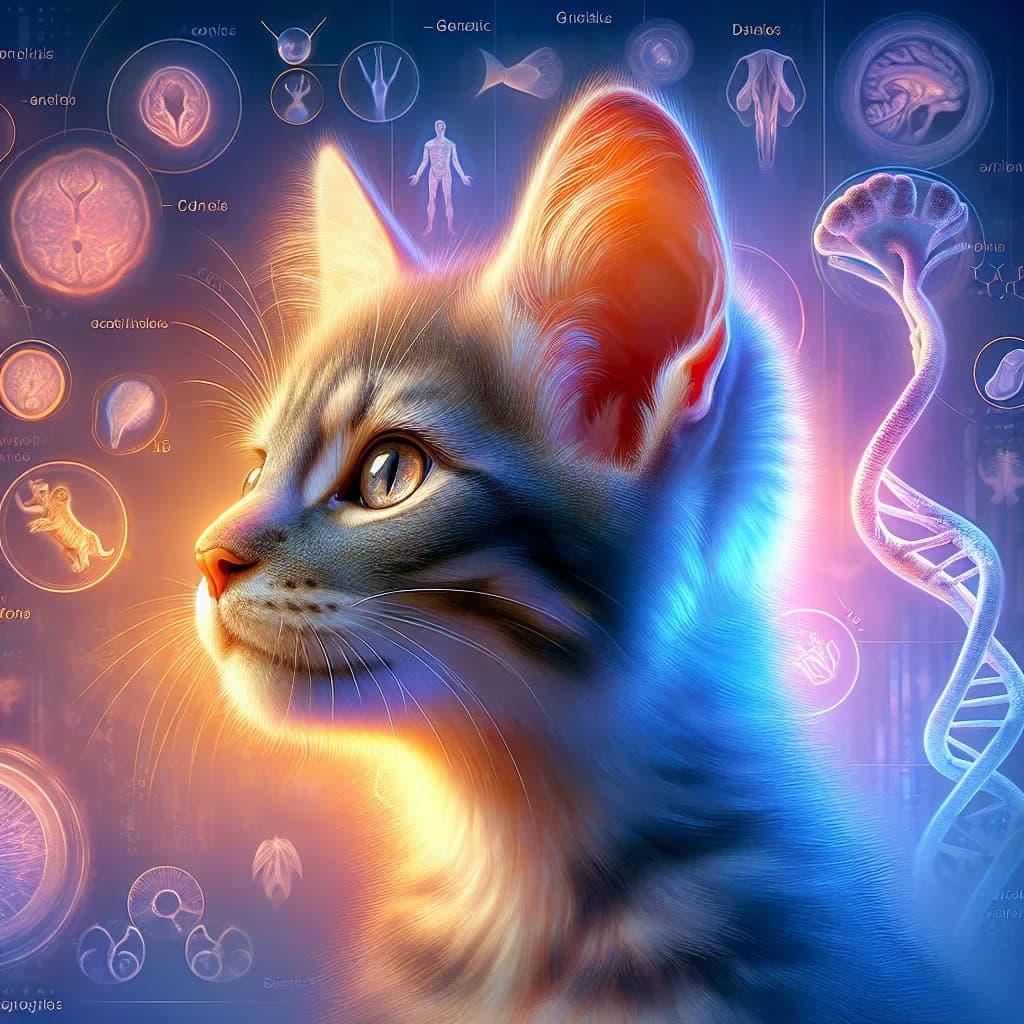
Why do pet cats possess a small skin fold at the base of their ears called a Henry's pocket?
Henry's pocket, or the cutaneous marginal pouch, is a small skin fold at the base of a cat's ear. While its exact purpose is unknown, it is believed to help cats detect high-pitched sounds and provide greater ear flexibility for movement and protection.

Why do pet crested geckos lick their eyeballs to keep them clean and moist instead of blinking?
Crested geckos lack eyelids and cannot blink, so they use their long tongues to remove debris and maintain essential moisture on the transparent scales covering their eyes.
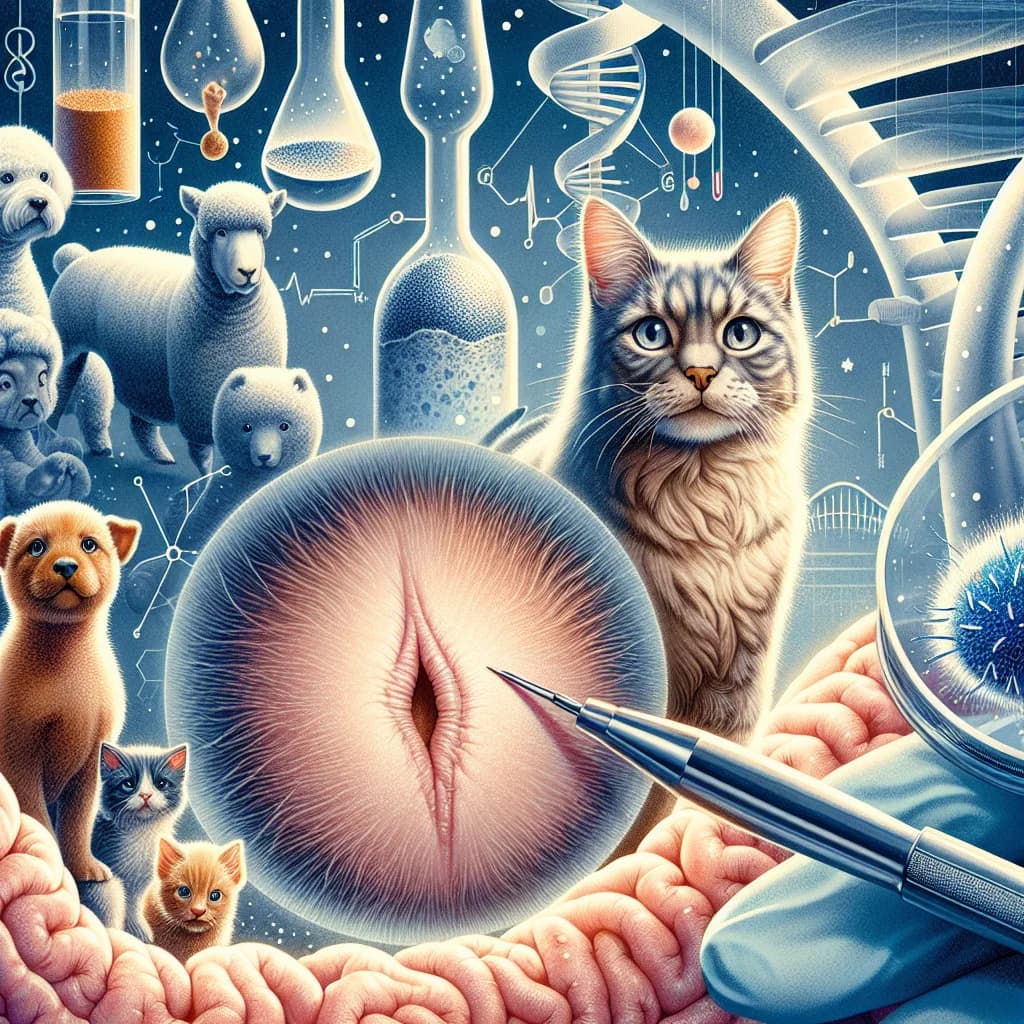
Why do pet dogs and cats possess a belly button that appears as a small faint flat scar?
Just like humans, dogs and cats have belly buttons marking where the umbilical cord connected them to their mother in the womb. Their navels heal as small, flat scars rather than deep pits because of their unique anatomy and the way their skin repairs itself after birth.
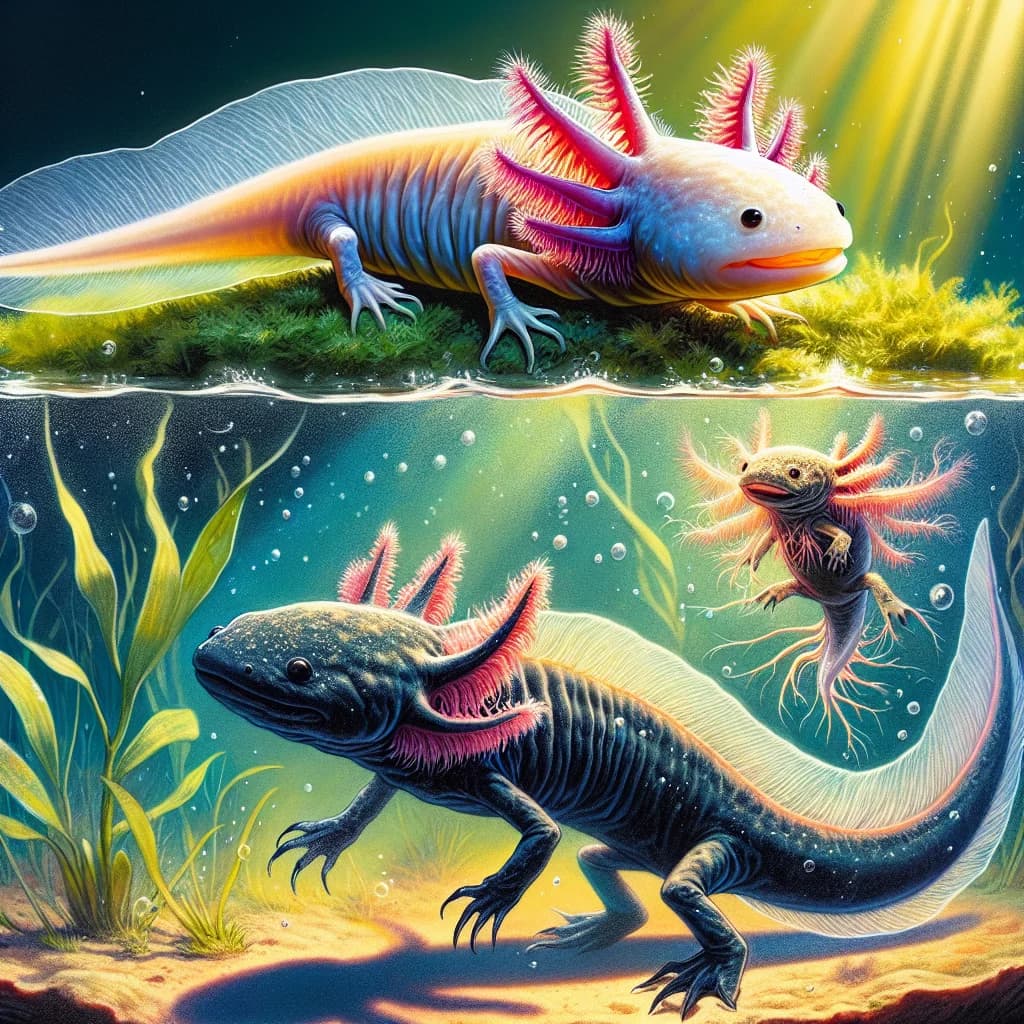
Why do pet axolotls remain in their larval form forever instead of turning into land-dwelling salamanders?
Axolotls undergo a process called neoteny, which allows them to reach sexual maturity while retaining juvenile features like external gills and an aquatic lifestyle. This occurs because they lack the thyroid-stimulating hormone required to trigger metamorphosis, an evolutionary adaptation to their historically stable lake habitats that made moving to land unnecessary for survival.