Why are Dalmatian puppies born completely white and only develop their signature black spots after two weeks of life
Ever wonder why the world’s most recognizable pups start life as a blank canvas? Uncover the fascinating biological "invisible ink" that keeps a Dalmatian’s signature spots hidden until weeks after they’re born.

Too Long; Didn't Read
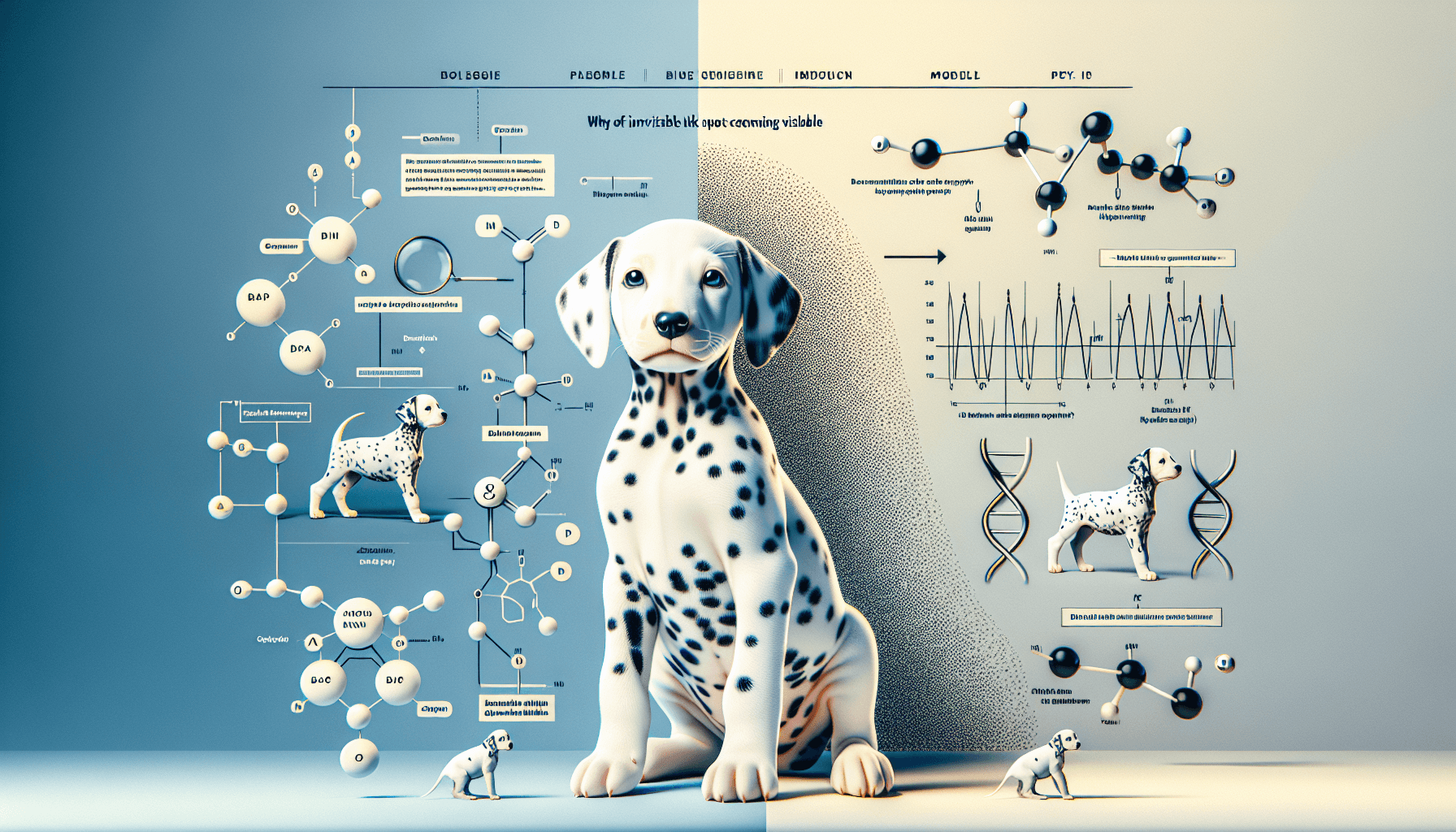
Dalmatian puppies are born white because their pigment-producing cells have not yet migrated to their fur. Although the spot patterns are often present on their skin at birth, the dark hair only begins to grow and become visible after about two weeks due to a specific genetic trait.
The Science of Spots: Why Dalmatian Puppies Are Born Completely White and How Their Pattern Emerges
Few sights in the canine world are as iconic as the striking, polka-dotted coat of a Dalmatian. However, many first-time owners and animal lovers are surprised to discover that these puppies enter the world looking less like their famous parents and more like snowy-white clouds. A newborn Dalmatian is born completely white, with their signature black or liver spots only beginning to emerge after about ten to fourteen days. This biological "magic trick" is not a mystery of nature but a fascinating result of complex genetics and cellular development. Understanding the science behind this delayed coloration offers deep insight into the breed’s unique biology and its connection to overall health. This post will explore the genetic mechanisms and biological processes that govern why Dalmatian puppies are born white and how their spots eventually develop.
The Genetic Blueprint: Extreme Piebald and Ticking
To understand why Dalmatians start white, we must first look at their DNA. The breed’s coat is the result of two primary genetic factors working in tandem: the "Extreme Piebald" gene and the "Ticking" gene.
The Extreme Piebald Gene (s^w)
Biologically, a Dalmatian is actually a black or liver-colored dog that is covered by a massive white "overlay." The extreme piebald gene (the s^w allele) suppresses the base color of the coat, creating a solid white appearance. This gene inhibits the migration of melanocytes—the cells responsible for producing pigment—to the hair follicles during embryonic development. Consequently, the puppy is born with a coat that appears devoid of color.
The Ticking Gene (T)
While the piebald gene creates the white canvas, the "Ticking" gene (the T locus) is what creates the famous spots. This gene allows the base color (black or liver) to "break through" the white masking in small, concentrated areas. However, this process is not instantaneous. The ticking pattern requires the hair to mature and the melanocytes to become active in the skin after the puppy has been exposed to the environment outside the womb.
The Biological Timeline: From Snow to Spots
The transformation of a Dalmatian puppy is a gradual biological process. While they appear pure white at birth, the potential for their spots is already present in their skin.
- Birth to 10 Days: The puppy appears entirely white. If you were to look closely at the skin of a newborn, you might see "ghost spots"—faint pigment clusters in the dermis—but the fur itself remains white.
- Weeks 2 to 3: This is the primary window for development. As the puppy's coat grows and the skin matures, melanin begins to travel into the hair shafts. Small flecks of black or liver pigment begin to appear, usually starting around the ears and neck.
- Months 1 to 6: The spots become darker, more defined, and more numerous.
- Adulthood: A Dalmatian’s spot pattern can actually continue to develop and change slightly throughout its entire life, though the most dramatic changes are completed by one year of age.
The Vital Connection Between Color and Health
The biology of Dalmatian spots is not merely an aesthetic curiosity; it is deeply linked to the breed's health, specifically regarding their hearing. In the animal kingdom, melanocytes play a crucial role in the development of the inner ear. Specifically, these pigment-producing cells are required for the health of the stria vascularis, a part of the ear that maintains the chemical balance necessary for hearing.
Because the genes that make a Dalmatian white (piebald) can sometimes be too effective at suppressing melanocytes, some puppies are born with a lack of these cells in their inner ears. This can lead to congenital sensorineural deafness in one or both ears. Veterinary science uses the BAER (Brainstem Auditory Evoked Response) test to screen puppies at a young age to ensure their neurological pathways for hearing are intact.
Breed Standards and Care Considerations
When observing the development of a Dalmatian’s spots, breeders look for specific "standard" traits. Ideally, spots should be round, well-defined, and distributed evenly across the body.
- Patches: Sometimes, Dalmatians are born with "patches"—large areas of color present at birth. While these dogs are perfectly healthy and make excellent pets, they are generally disqualified from show rings because they represent a different genetic expression than the standard ticking.
- Skin Health: Because of their white coats and short fur, Dalmatians can be more sensitive to UV rays. Owners should monitor their dogs for sun sensitivity, especially on the sparsely pigmented areas like the nose and ears.
Conclusion
The transition of a Dalmatian from a pure white puppy to a spotted adult is a remarkable example of canine genetics in action. This delay in coloration is dictated by the interplay between the extreme piebald gene, which masks the dog’s natural color, and the ticking gene, which allows that color to emerge in a unique pattern of spots. Understanding this process is essential for any responsible owner, as the very cells that create those beautiful spots are also vital for the dog's auditory health. By appreciating the biological complexity behind the spots, we can better care for these athletic and historically significant animals, ensuring they lead healthy, vibrant lives. If you are considering adding a Dalmatian to your family, always consult with breeders who prioritize health testing to ensure your spotted companion is as healthy as they are striking.